
Last updated November 22, 2026
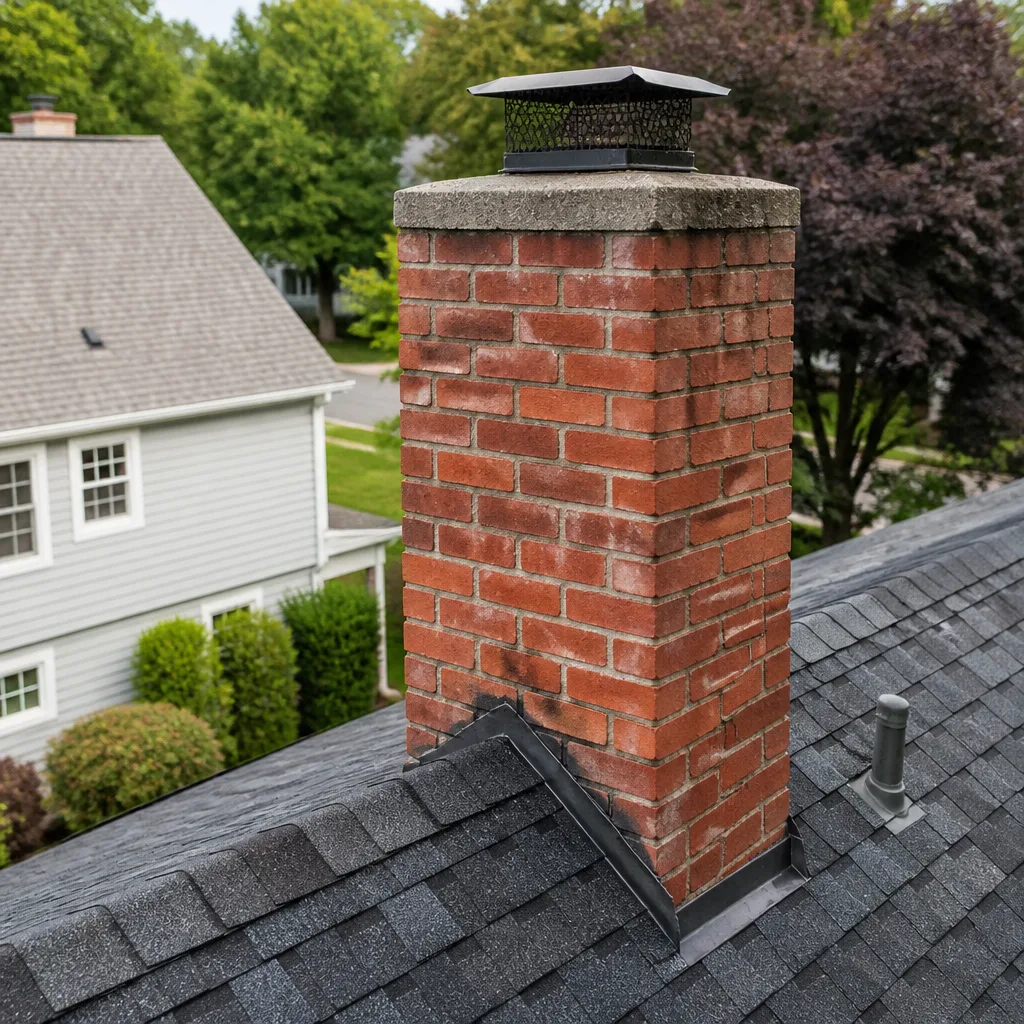 Sweep & inspection
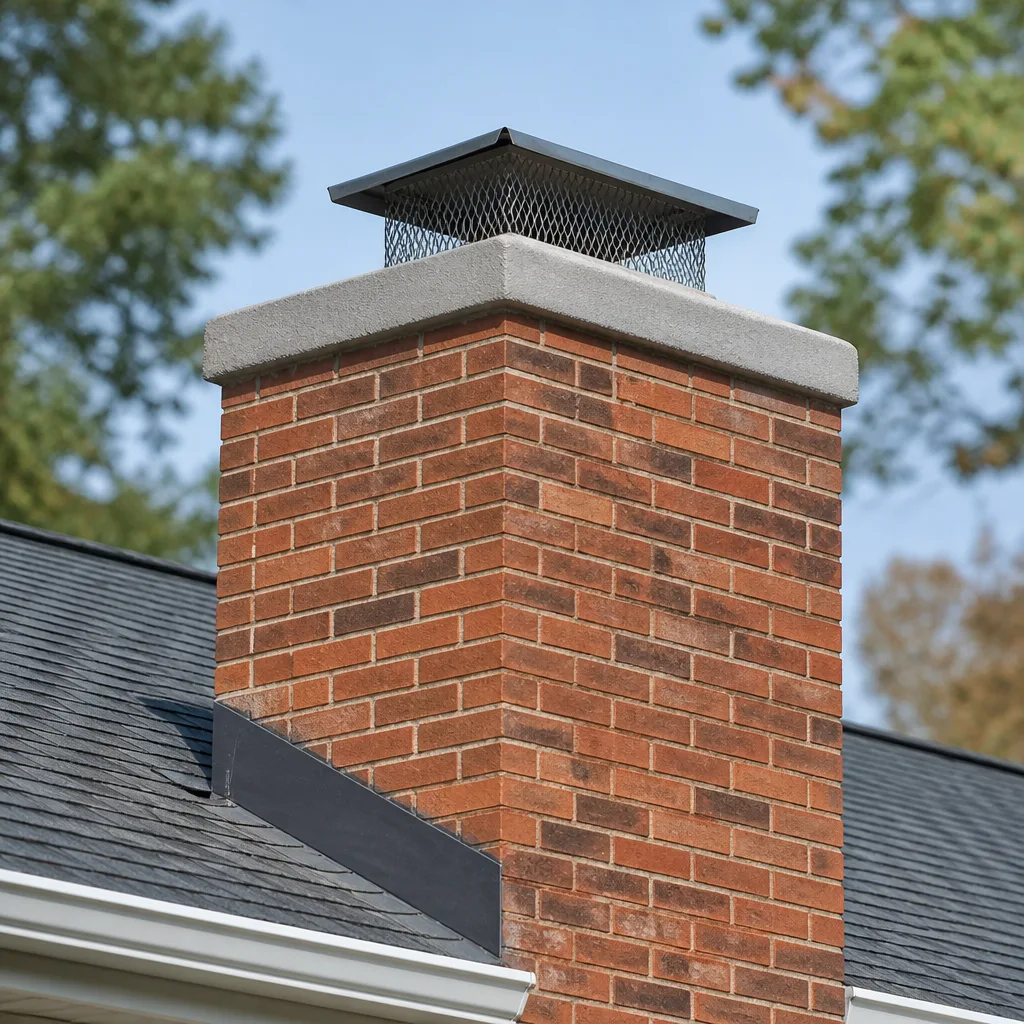 Caps & crowns
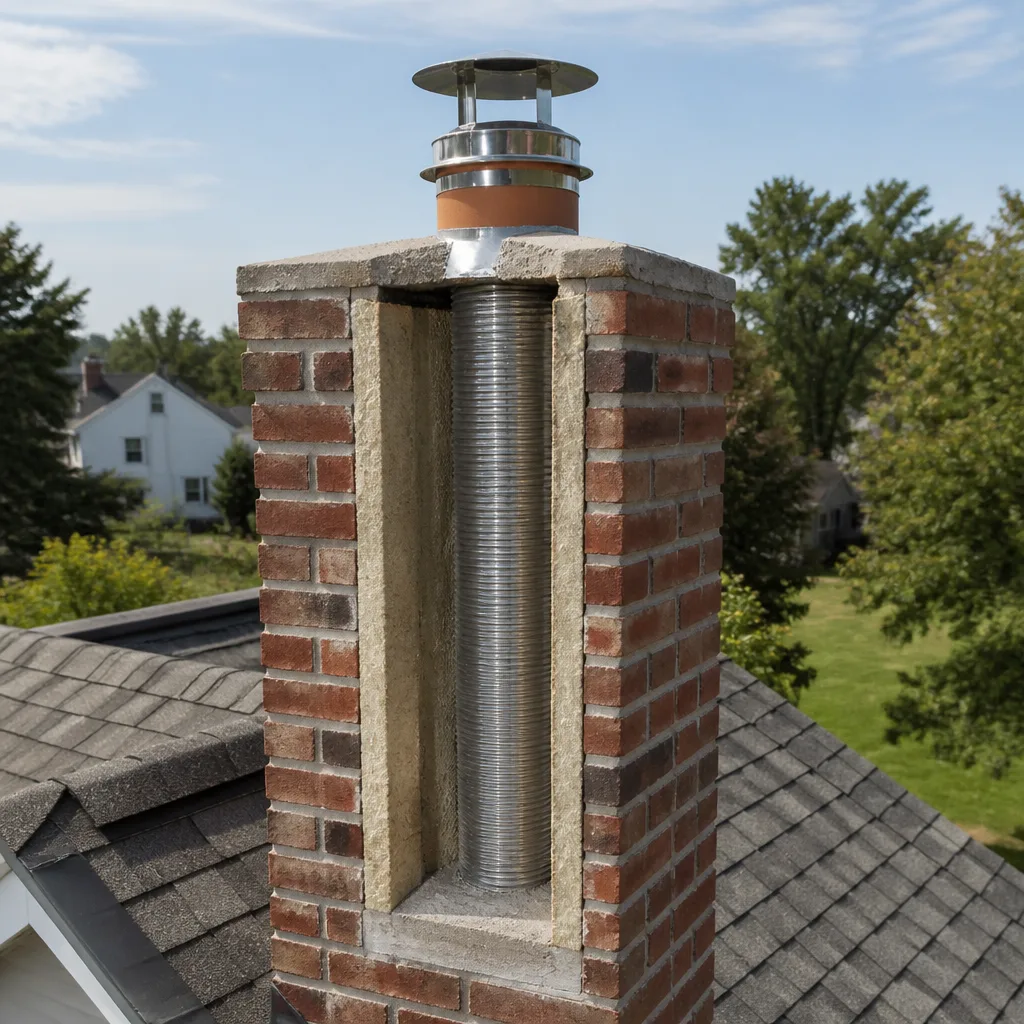 Flue relining
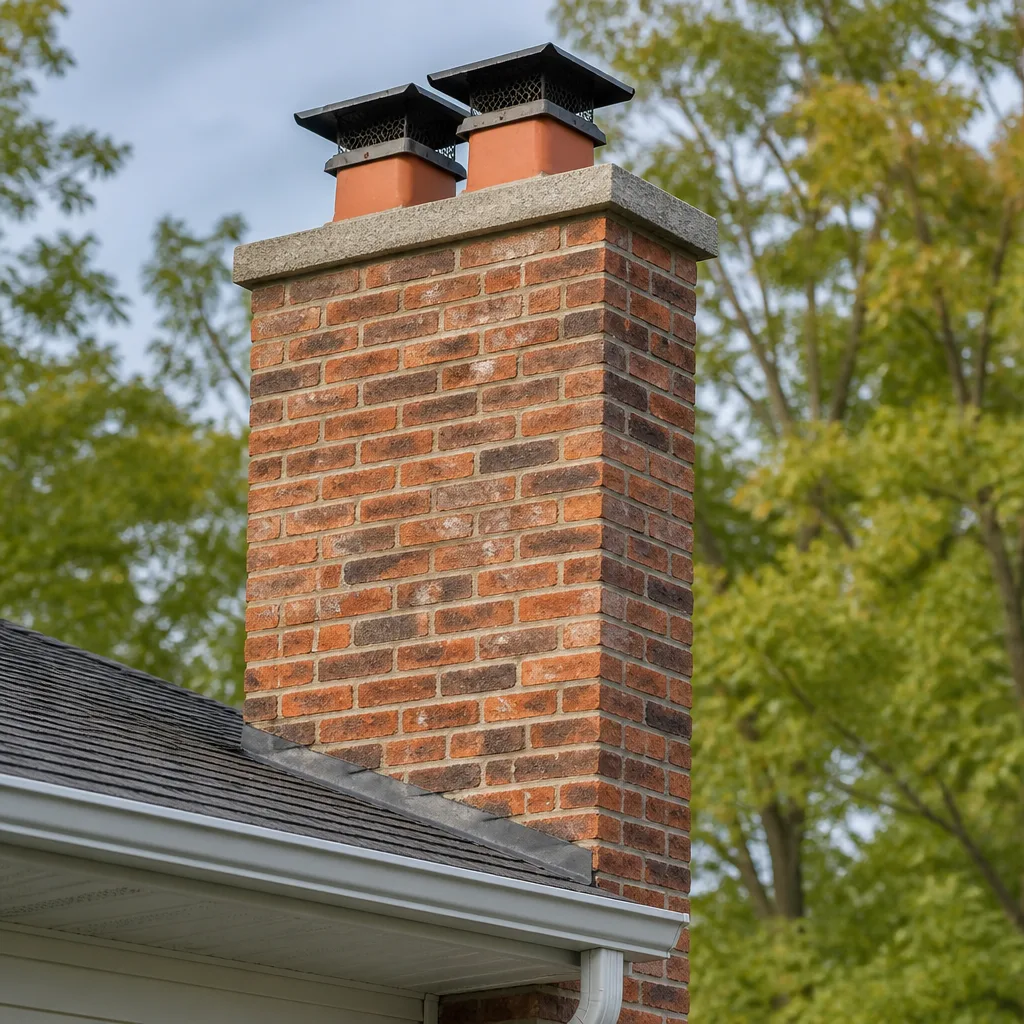 Masonry repair
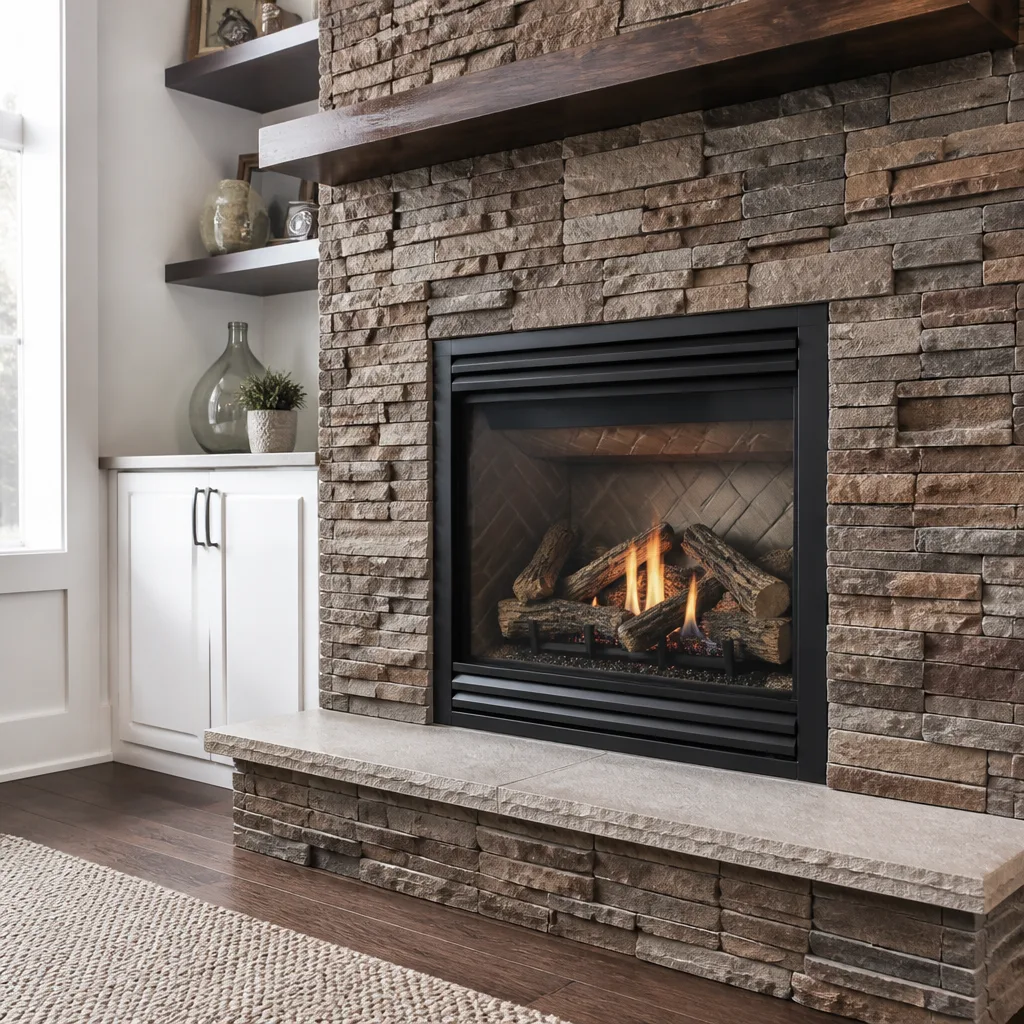 Gas fireplace service
Level 1 sweep and inspection to the NFPA 211 annual standard - flue, crown, cap, and flashing checked and photographed
Chimney sweep logs do not sweep chimneys. They loosen some creosote - which then falls where a brush and vacuum still have to collect it.
Chimney Cleaning Permits, Codes & Inspections in Mar Vista, CA: What You Need to Know
A routine chimney cleaning almost never requires a permit. That single fact leads a lot of Mar Vista homeowners to assume everything chimney-related is unregulated, and that’s where trouble starts. The line between maintenance and regulated work is sharp: sweeping is maintenance, but relining, firebox repair and gas conversion fall under Los Angeles County building code. Crossing that line without a permit doesn’t just risk a fine. It can leave you holding liability for work you didn’t do and can complicate an insurance claim tied to that system. This guide draws the line clearly, explains the inspection standards California references, and shows how the paperwork trail protects you at resale.
Quick Answer
In Mar Vista, routine chimney sweeping is maintenance and requires no permit. Anything that alters the chimney structure or flue, including relining, firebox rebuilds, crown replacement and gas-to-wood conversions, needs a permit from the Los Angeles County building authority. Inspections follow the three levels of NFPA 211, the baseline standard California inspectors reference, and SCAQMD Rule 445 governs wood-burning fireplace operations across the region.
Styles & brands we work with
- Sweep & inspection
- Caps & crowns
- Flue relining
- Masonry repair
- Gas fireplace service
Table of Contents
- Maintenance vs. Alteration: Where Mar Vista Permits Begin
- NFPA 211 and the Three Inspection Levels
- How SCAQMD Rule 445 Affects Mar Vista Fireplaces
- The Documentation Trail a Permit Creates
- What to Do About Unpermitted Work by Previous Owners
- What Chimney Inspection and Sweeping Costs in Mar Vista
- How Often Should a Mar Vista Chimney Be Inspected?
- Choosing a Chimney Specialist for Permitted Work
Maintenance vs. Alteration: Where Mar Vista Permits Begin
The clearest way to think about permits is to ask whether the work changes the chimney or merely cleans it. Sweeping removes creosote and soot from a flue that stays the same. Repair or alteration changes the system, and that’s the point where Los Angeles County code treats the work as construction.
Here’s the practical breakdown we walk homeowners through in Mar Vista:
- No permit typically required: a routine chimney sweep, a Level 1 or Level 2 inspection, cap installation on an existing flue, and general cleaning of the firebox and smoke chamber.
- Permit typically required: installing or replacing a flue liner, rebuilding a firebox, replacing a crown, adding or removing a chimney, changing a wood-burning appliance to a gas appliance (or the reverse), and any work that alters the flue’s dimensions or clearances to combustibles.
The county’s rules follow the broader California building code, which adopts NFPA 211 as the chimney and venting reference. The rule holds regardless of neighborhood. A 1940s cottage in Mar Vista with a masonry chimney and a 1990s build with a prefabricated flue both fall under the same code, even though the work on each looks completely different.
If you’re unsure which category your job falls into, the safest move is to ask the local building department before work begins. We always recommend that call for anything beyond a sweep. A sweep plus a documented inspection tells you whether the job is maintenance or alteration, which in turn tells you whether a permit is needed. That’s why a formal inspection is worth doing as a standalone service even when you don’t think anything is wrong.
NFPA 211 and the Three Inspection Levels
NFPA 211 is the standard for chimneys, fireplaces, vents and solid fuel-burning appliances. California inspectors and chimney professionals reference it because it defines what “inspected” actually means. There are three levels, and knowing which one you have matters for insurance, real estate and repair decisions.
- Level 1 inspection. A visual check of readily accessible portions of the chimney, firebox, and appliance connection. It’s the standard inspection that accompanies a routine sweep, and it’s appropriate when the system hasn’t changed and you’re continuing normal use.
- Level 2 inspection. Everything in Level 1 plus accessible areas of the attic, crawl space, and other concealed spaces, often with a camera to examine the interior of the flue. It’s required for real estate transactions, after a chimney fire, after an earthquake or other event, and whenever a change is made to the system (new appliance, fuel type, or relining).
- Level 3 inspection. The most involved level. It’s used when a Level 1 or Level 2 inspection suggests a serious hidden problem and portions of the chimney or building must be opened up to investigate. It’s the least common level, and it happens only when the evidence points that direction.
In our experience across Mar Vista, most homeowners need a Level 1 with their sweep. If you’re buying or selling a home, a Level 2 is the right call because it gives you a photo and video record of the flue interior, and that’s what a buyer’s inspector and an insurer will want to see. A Level 3 is reserved for genuine mystery cases where the earlier inspections found something that doesn’t add up.
Every level still leaves you with a written report. If you’ve been told by another provider that “the whole chimney needs work” and you’d like a second look, a documented inspection is the tool that lets you see what they saw, or didn’t.
How SCAQMD Rule 445 Affects Mar Vista Fireplaces
Rule 445, administered by the South Coast Air Quality Management District, sets requirements for wood-burning appliances in the Los Angeles basin. Mar Vista falls inside that district. The rule restricts the installation of unapproved wood-burning devices and does not allow new traditional open-hearth wood fireplaces to be added in most cases. It also sets limits on what kind of appliance can be installed or replaced.
What does that mean for a Mar Vista homeowner thinking about their fireplace?
- Keeping an existing wood-burning fireplace: the rule governs installation, not continued use under normal circumstances. But burning is restricted on certain no-burn days, and those restrictions exist for good reason. Check the district’s current rules whenever you plan to burn.
- Replacing or converting: if you’re considering converting a wood fireplace to gas, or installing a new insert, the new appliance has to meet Rule 445 requirements. This is a permit-sensitive job because it involves the fuel type and the flue.
- Repairing vs. converting: repairing a wood fireplace that stays wood-burning is a different code path than converting it to gas. Repair may be permitted under the chimney alteration rules; conversion is a fuel-type change that draws in both county permitting and Rule 445.
Because the rule has real consequences for what’s allowed and what isn’t, homeowners planning work beyond cleaning should check both the county and the district. The inspection is where that conversation usually starts: we look at what’s actually there, document it, and explain which category the job fits.
The Documentation Trail a Permit Creates
A permit is more than a piece of paper. It creates an official record that the work was done, inspected, and approved. That record follows the property, not the contractor, and it’s worth understanding why it protects you in two specific situations.
At resale. When you sell a Mar Vista home, the buyer’s inspector will look at the chimney. Unpermitted alterations show up as a mystery: a liner that doesn’t match the flue, an appliance that doesn’t match the listing, a firebox that looks rebuilt but has no record. Sellers who can produce a permit and inspection report skip the negotiation that starts when a buyer wants the work redone before closing. Sellers who can’t may end up discounting the price or paying for remediation.
After a fire event. If a chimney fire or appliance failure leads to a claim, the insurer will ask what work was done and by whom. Permitted, inspected work with a documented trail supports a claim. Unpermitted work can complicate or void coverage for the affected system, depending on the policy and the circumstances.
Standalone inspections matter here too. If you’ve just bought a home and aren’t sure what’s been done to the chimney, a Level 2 inspection creates a baseline record you can rely on. If you’re mid-transaction, it gives the buyer and seller the same facts. Either way, you leave with a written and photographic record you can hand to a lender, an insurer or a future buyer.
The documentation also helps us give you a straight answer about what’s actually needed. When the camera shows a sound flue, we tell you so, and the report says it too.
What to Do About Unpermitted Work by Previous Owners
Unpermitted chimney work is more common than most homeowners expect. When we inspect a Mar Vista home and find a liner that wasn’t documented, a firebox with signs of a prior rebuild, or an appliance swap with no record, the homeowner’s first reaction is usually worry about what it will cost to fix. The honest answer is that the cost depends entirely on what the inspection finds, and a lot of the time the work is safe even without paperwork.
Here’s the path forward that we find works:
- Get a Level 2 inspection first. The camera and the visual walkthrough tell you what’s actually there. Nothing is recommended without that evidence, and you can review the photo and video record yourself.
- Document what you find. The inspection report is the official record of the chimney’s condition as of today. Even if the work was done without a permit, that report establishes a known condition.
- Decide whether remediation is needed. If the flue is sound, the appliance is compatible, and clearances hold, you may not need to redo the work. If the inspection finds a defect, we tell you specifically what it is and how urgent it is.
- Permit only what needs permitting. If the work does need to be redone, the replacement is the job that gets a permit. You don’t generally need to chase paperwork on the original unpermitted work if it’s being replaced with permitted work.
- Keep the report for the future. Store the inspection report with your home documents. It will come up again at resale, and having it saves a lot of back-and-forth.
In our experience, the vast majority of unpermitted chimney work we see is not dangerous. It’s just undocumented. The few cases that need remediation are the ones where the inspection shows a real defect: an improperly sized liner, a cracked crown, or a firebox that was rebuilt without the right clearances. Those are the cases worth fixing, and they’re the reason we always go back to the evidence.
What Chimney Inspection and Sweeping Costs in Mar Vista
Chimney work in Mar Vista prices roughly like the rest of the West Los Angeles market. A standard sweep and Level 1 inspection, a Level 2 inspection with a camera, cap installation, and liner restoration each fall into their own ranges, and the written estimate is what sets the final price.
Typical estimated ranges for common jobs:
| Service | Typical Estimated Range |
|---|---|
| Standard sweep with Level 1 inspection | $180 – $340 |
| Level 2 inspection with camera | $250 – $450 |
| Standalone inspection (real estate, insurance, second opinion) | $200 – $400 |
| Cap installation (Olympia Chimney or Famco style) | $250 – $500 |
| Crown repair or rebuild | $400 – $900 |
| Firebox repair | $500 – $1,200 |
| HeatShield liner restoration | $1,500 – $3,000 |
| Full relining (DuraFlex or equivalent) | $2,500 – $5,500 |
These are estimates, not quotes. What drives the price in Mar Vista specifically is the home’s age and the chimney type. A lot of 1940s and 1950s homes in Mar Vista have masonry chimneys with flues that have been patched over the years, which can add cost to a restoration. Prefabricated chimneys in later construction narrow the options to the manufacturer’s own liner system, and that affects which product works. A two-story chimney adds height and access cost regardless of the material.
Two things keep the estimate honest. First, the camera inspection before any price is finalized, so the estimate reflects what’s actually there. Second, a written estimate that sets the final price before the work is booked. If the sweep turns up a problem the estimate didn’t anticipate, we stop and talk to you before anything changes.
How Often Should a Mar Vista Chimney Be Inspected?
Annually for a wood-burning fireplace, once at the start of the burning season, is the baseline. That’s the standard recommended by the chimney and venting trade and by insurers. Colder months don’t drive extreme use in Mar Vista, but the season still concentrates the soot and creosote load into a few months, so the annual inspection catches buildup before it becomes a problem. Gas-burning fireplaces need less frequent cleaning, but they should still be inspected periodically for venting issues, debris and deterioration.
A few situations call for an inspection ahead of the annual schedule:
- After a chimney fire, even a small one that burned itself out.
- After an earthquake, which can crack masonry and separate flue sections.
- When buying or selling a home (Level 2 inspection).
- When you change fuel type or install a new appliance.
- When you notice a smell, smoke in the room, or visible water damage on the chimney exterior.
- When an insurer asks for documentation before renewing coverage.
Skipping the annual inspection doesn’t save money; it just defers the point where you find out what’s happening inside the flue. Creosote accumulates in layers, and a heavily glazed flue is harder and more expensive to address than one that’s been cleaned on schedule. The annual visit is also where we catch small issues, like a cracked crown or a loose cap, while they’re still small.
If you’re not sure where you stand, an inspection is the low-cost way to find out. It’s the same service we offer to buyers and sellers in Mar Vista who need a documented answer.
Choosing a Chimney Specialist for Permitted Work
Once a job crosses into permitting territory, the contractor matters more than the price. A general handyman can sweep a chimney; a chimney specialist can diagnose, repair and restore the full system, and knows what the county will and won’t approve. That distinction is where we spend most of our day.
Here’s what to look for when you’re evaluating a provider for work beyond a sweep:
- Full-system capability. The same company should handle the sweep, the inspection, the cap and crown, the fireplace repair, and any relining or restoration. Splitting the work across a sweeper, a mason and a liner installer creates gaps that show up later.
- Named product lines. Liners and restoration systems vary in quality. We work with DuraFlex liner systems and HeatShield for liner restoration, both of which are recognized by chimney professionals. A provider who can name the product and explain why they chose it is telling you something.
- HeatShield expertise. HeatShield is a ceramic resurfacing system, and it’s a less invasive alternative to a full reline when the flue’s structure is still sound. Not every sweeper can offer it, and the difference in cost and disruption is real. It’s the option we check first on a liner that doesn’t need full replacement.
- Inspection as its own service. Standalone inspections are how you get documentation without a cleaning appointment. If a provider only offers inspections as a package with something else, they’re not set up for real estate, insurance, or second-opinion work.
- A written estimate before the work. The written estimate should specify the scope, the product, and the price. If it changes, the change should come from you, not from a discovery on the day of the job.
If you’d like a chimney professional who can handle all of it, our team at Chimney Sweep Mar Vista works with DuraFlex, HeatShield, Gelco, Olympia Chimney, Famco and Copperfield product lines and performs sweeping, inspection, cap and crown work, fireplace repair and chimney repair in-house. Our technicians have up to 12 years of experience, and every job starts with a documented inspection and a written estimate.
Common Mistakes to Avoid
- Assuming all chimney work is permit-free. Sweeping is maintenance, but relining, firebox repair and gas conversion need a permit. Assuming otherwise is the single most common way Mar Vista homeowners end up with unpermitted work they didn’t know about.
- Skipping the inspection on a new-to-you home. A Level 2 inspection is the only way to know what was done to a chimney before you owned it. Skipping it means inheriting whatever the prior owner left behind without any record.
- Not checking Rule 445 before converting to gas. A conversion has to meet both the county’s permitting rules and the air district’s requirements. Check both before you buy the appliance, not after.
- Accepting a verbal “it all needs work” from a provider. Ask for camera evidence and a written report with photos. If a provider can’t show you what they see, get a second opinion.
- Waiting until the burning season to inspect. The first cool evening is the wrong time to discover the flue isn’t ready. Inspect in the off-season when there’s room in the schedule for anything the inspection turns up.
- Hiring a generalist for a specialized repair. A handyman may be able to clean, but a firebox rebuild, a crown replacement or a HeatShield application is a chimney specialist’s job, and the permit conversation is easier with someone who already knows the requirements.
- Skipping the documentation trail. Store the inspection report and permit paperwork with your home documents. It’s the file a future buyer’s inspector will ask for, and the file an insurer will want after a fire.
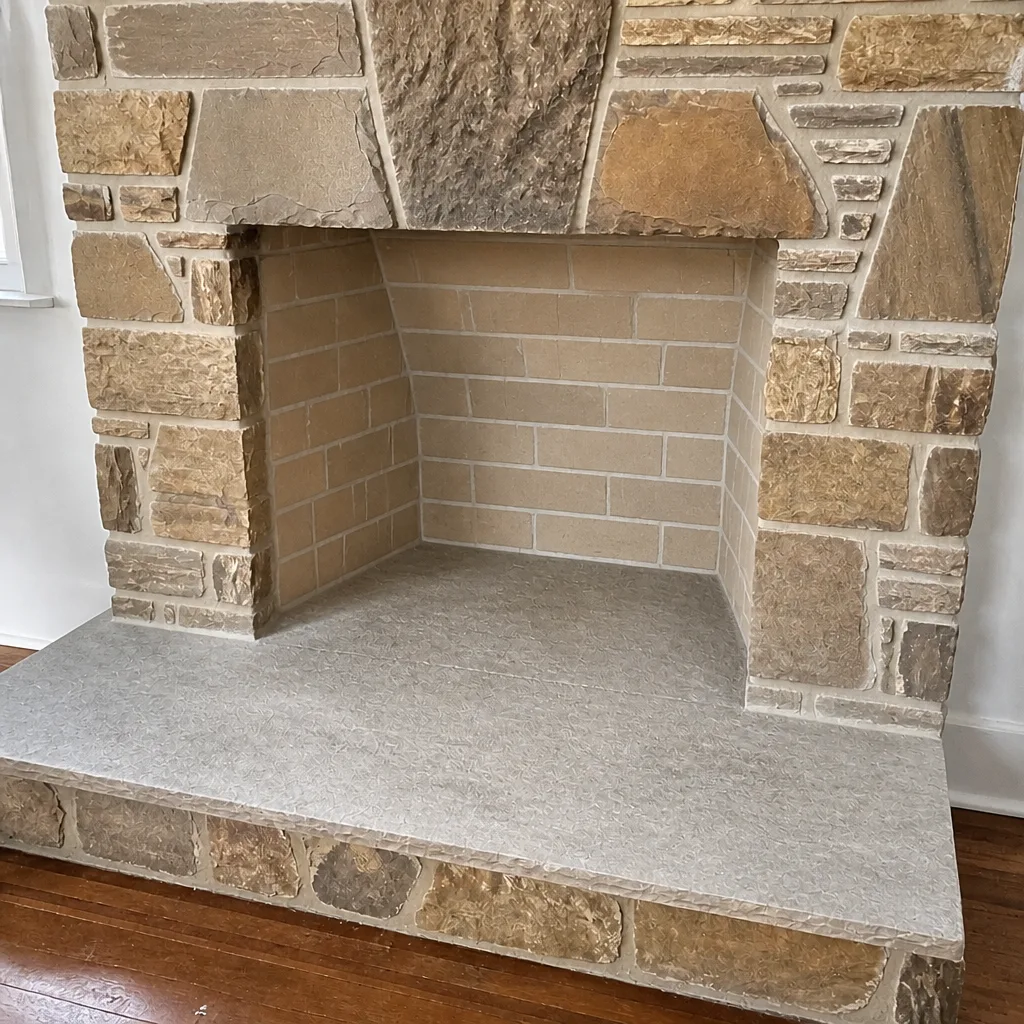
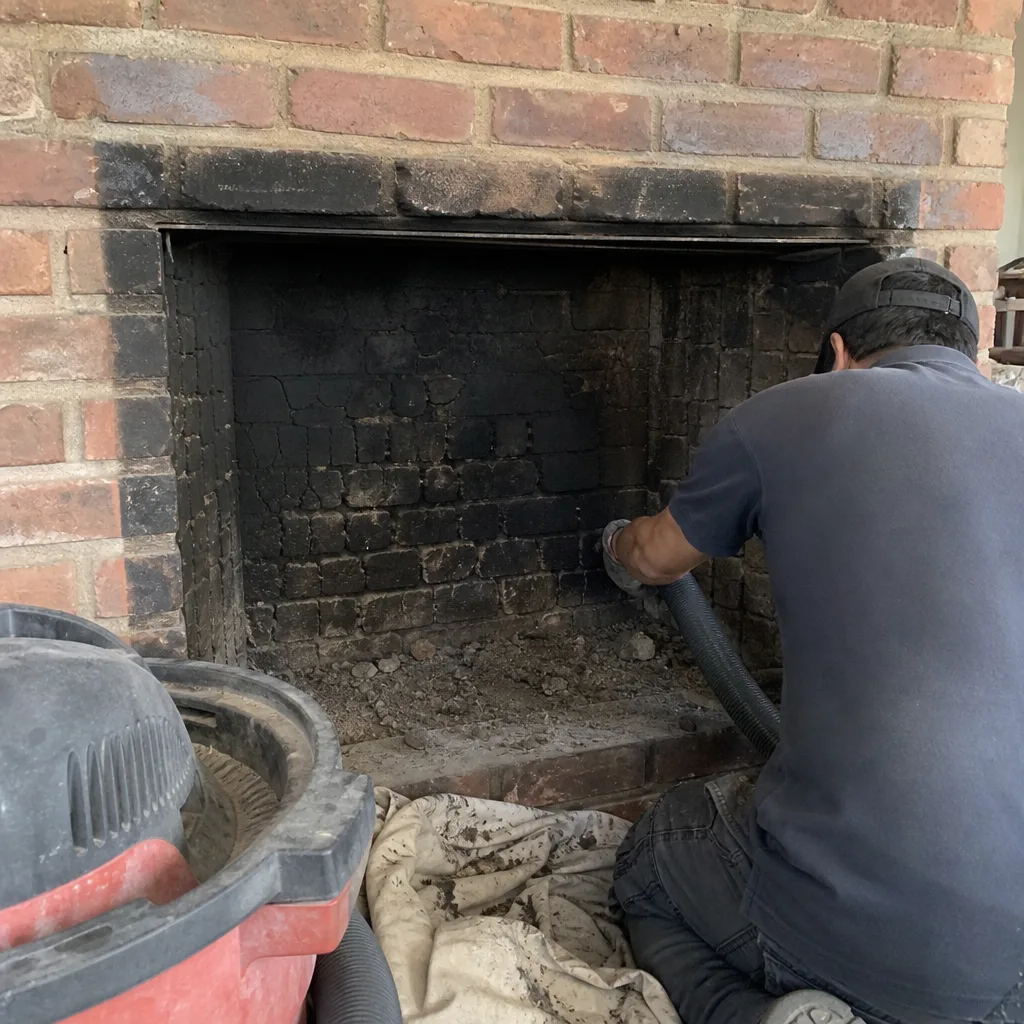
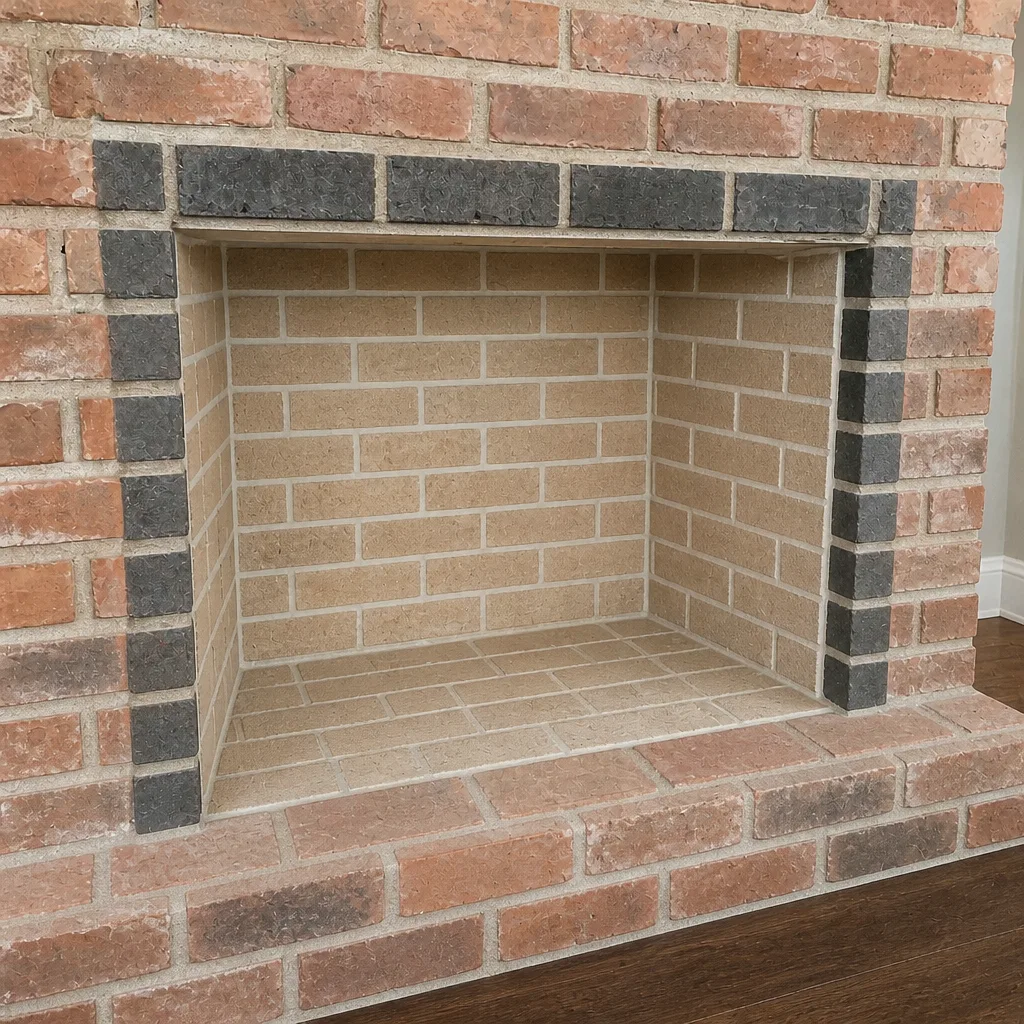
See the difference
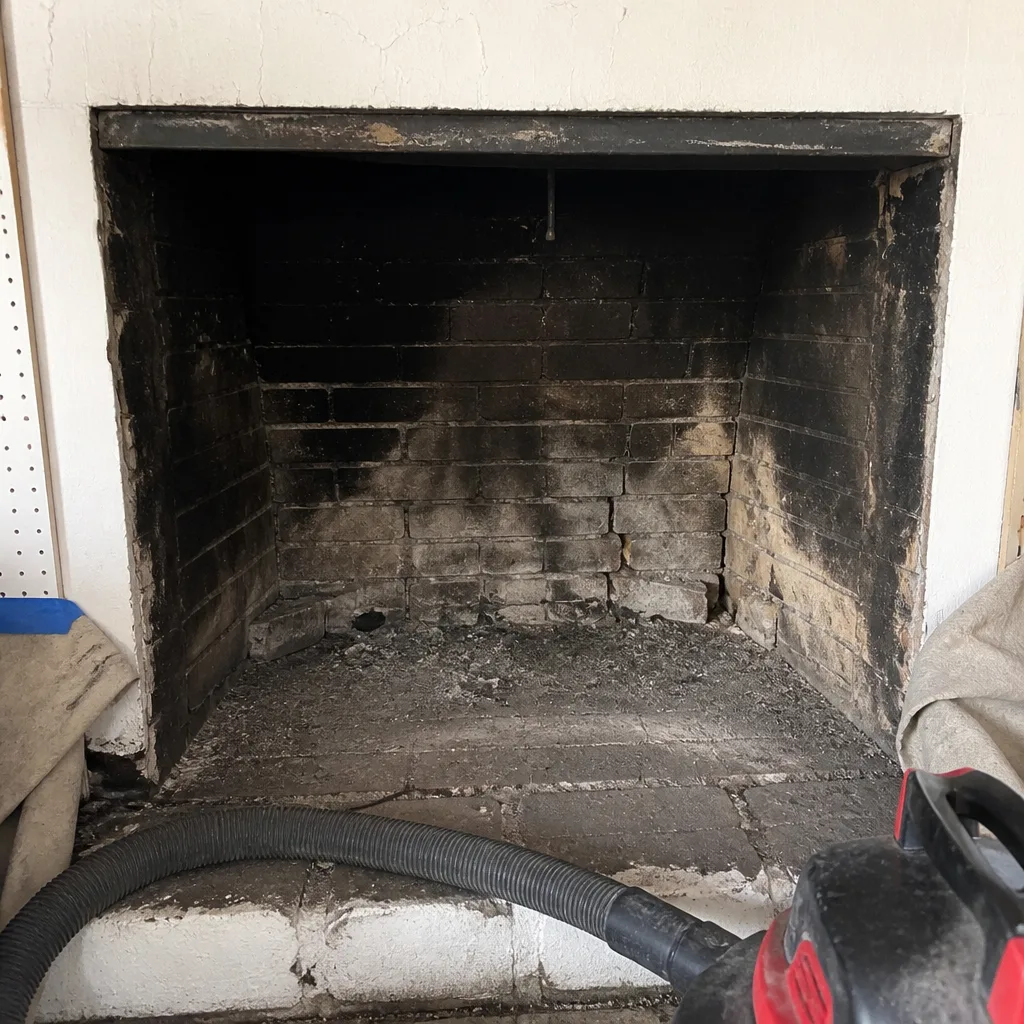 Before
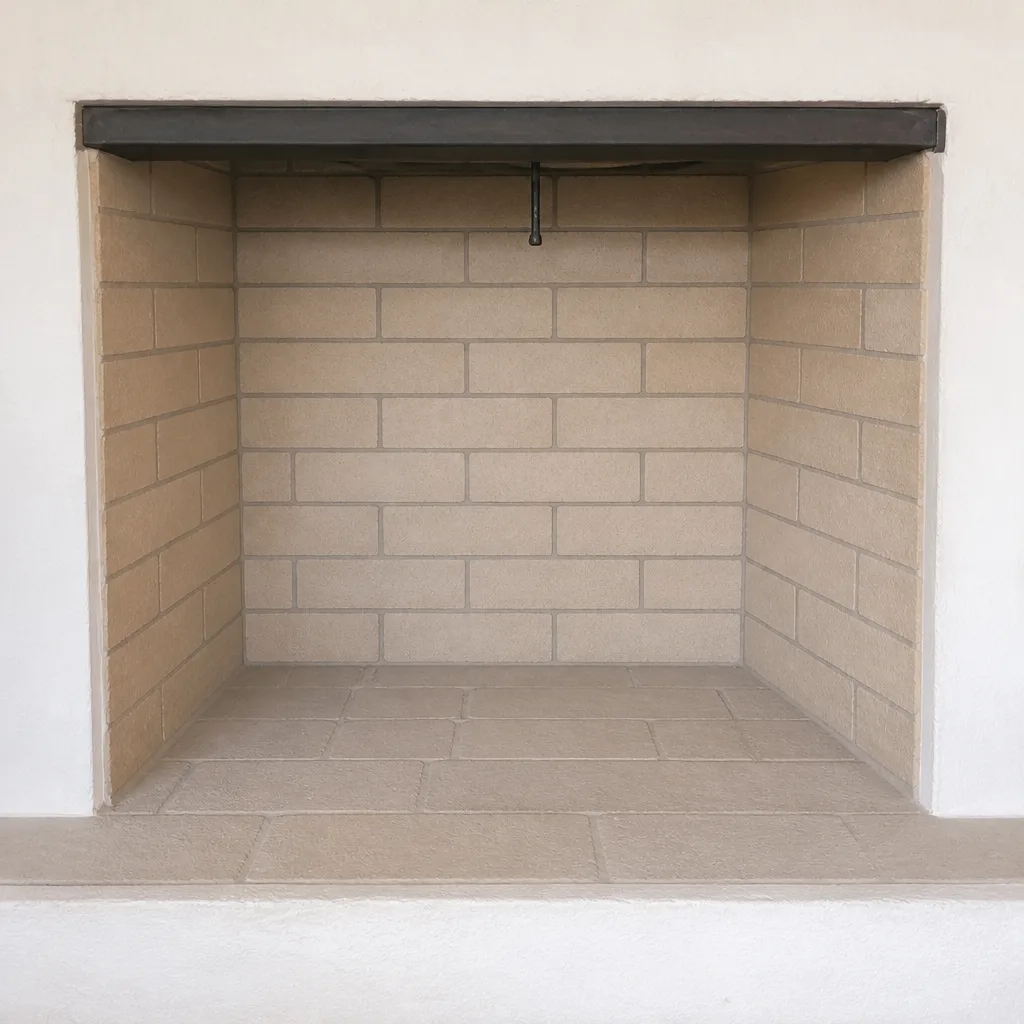 After
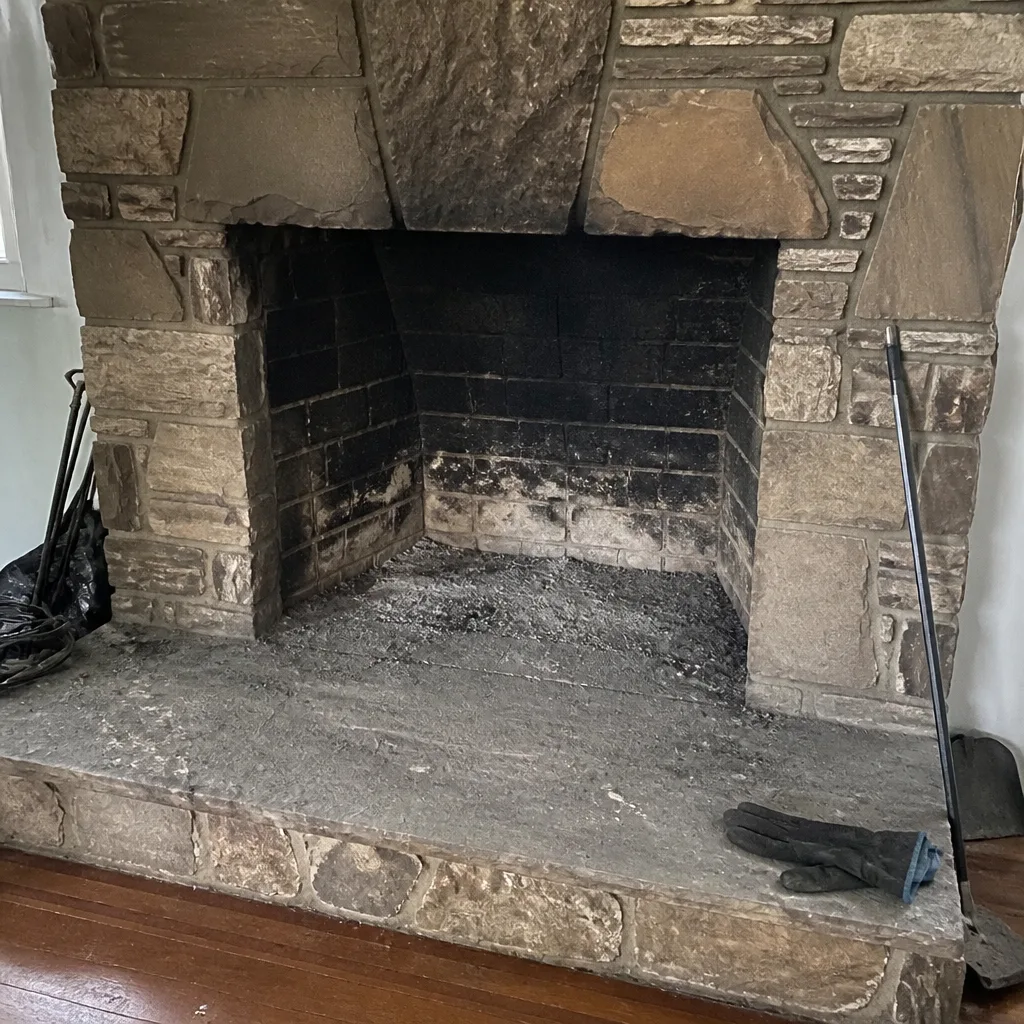 Before
 After
 Before
 After
When to Call a Professional
Call a chimney professional when you’re preparing to buy or sell a Mar Vista home and don’t have a recent inspection, when you’ve been told the chimney “needs work” and want a documented second opinion, when you’re planning a reline, firebox repair, crown replacement or gas conversion that crosses into permit territory, or when you notice smoke in the room, a smell from the fireplace, or water damage on the chimney exterior. Call also if it’s been more than a year since the last sweep. A professional can tell you in one visit whether the job is maintenance or alteration, and that’s the answer that determines everything else.
Chimney Sweep Mar Vista offers free estimates in Mar Vista. Call (855) 337-2073. We answer 24/7. Fast dispatch from 7am to 7pm, Sunday through Friday. If you’re not sure what the permitting status of your chimney is, a chimney sweep plus documentation is the right first step, and it’s how a lot of our Chimney Sweep Mar Vista conversations begin.
Frequently Asked Questions
No. A routine chimney sweep is maintenance and doesn’t require a permit in Mar Vista or anywhere else in Los Angeles County. The permit questions start when the work changes the chimney or flue, such as a reline, firebox rebuild or gas conversion. Call (855) 337-2073 if you’re not sure which side of that line your job falls on.
A Level 1 is a visual check of accessible parts of the chimney and firebox, a Level 2 adds concealed areas and camera inspection of the flue, and a Level 3 opens up the structure when a serious hidden problem is suspected. Level 2 is the one you want for a real estate transaction, an insurance requirement, or a documented second opinion. Call (855) 337-2073 to book the right level for your situation.
Yes, in most cases. HeatShield liner restoration and full relining both alter the flue, so they fall under the Los Angeles County building permit rules for chimney alterations. That’s also why restoration is worth doing with a provider who knows what the county will ask for. Call (855) 337-2073 for an inspection to determine whether restoration or a full reline is the right scope.
Rule 445 is the South Coast Air Quality Management District’s rule for wood-burning appliances in the LA basin, and it applies to Mar Vista. It restricts new installations of unapproved appliances and requires that new or replacement fireplaces meet specific standards. If you’re converting to gas or installing a new appliance, check the rule and county permitting together. Call (855) 337-2073 and we’ll walk you through the inspection side of the decision.
Get a Level 2 inspection and a documented report first. In most cases we see unpermitted but sound work, and no remediation is needed; in the cases where the inspection shows a defect, the report tells you exactly what it is and how urgent it is. Call (855) 337-2073 to schedule a documented inspection for your Mar Vista home.
It can, depending on the policy and the claim. Unpermitted chimney work can complicate or void coverage for a fire-related claim tied to that system, which is why the permit and inspection record matters. Getting inspected and permitted before a claim is the way to avoid the question entirely. Call (855) 337-2073 for an inspection and written report.
The Bottom Line
Routine chimney cleaning in Mar Vista doesn’t need a permit. Anything that alters the chimney or flue does, and the permit and inspection record is what protects you at resale and after a fire claim. NFPA 211 sets the inspection standard inspectors reference: Level 1 with a sweep, Level 2 for real estate, insurance or a second opinion, Level 3 only when a hidden problem needs opening up. SCAQMD Rule 445 governs what’s allowed in Mar Vista, and it applies to new installs and conversions. Get inspected before you decide, and keep the report.
If you’re ready to know what’s actually happening inside your chimney, call Chimney Sweep Mar Vista at (855) 337-2073 for a free estimate. We handle the full system: cleaning, inspection, chimney cap & crown work, fireplace repair and chimney repair, and we’ll tell you plainly when the work can safely wait.
Written by the team at Chimney Sweep Mar Vista.