
Last updated November 22, 2026
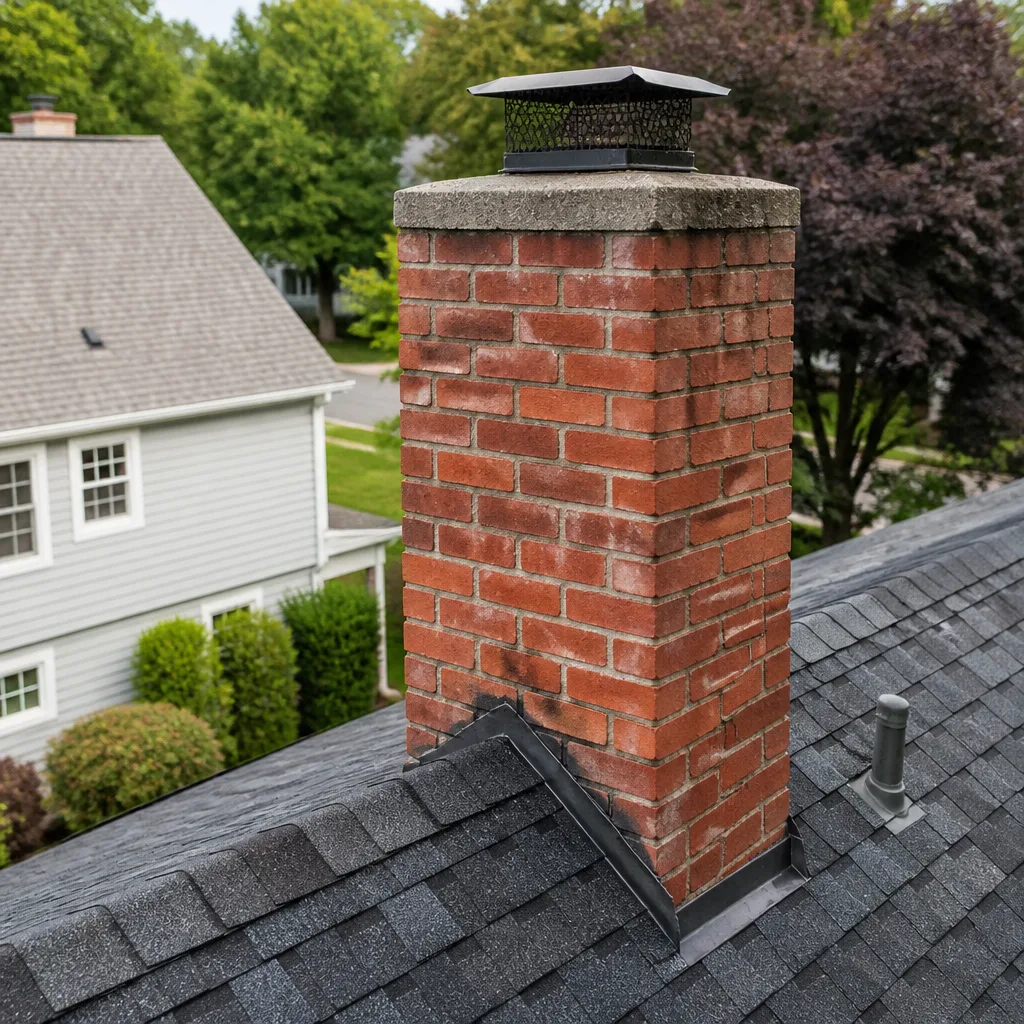 Sweep & inspection
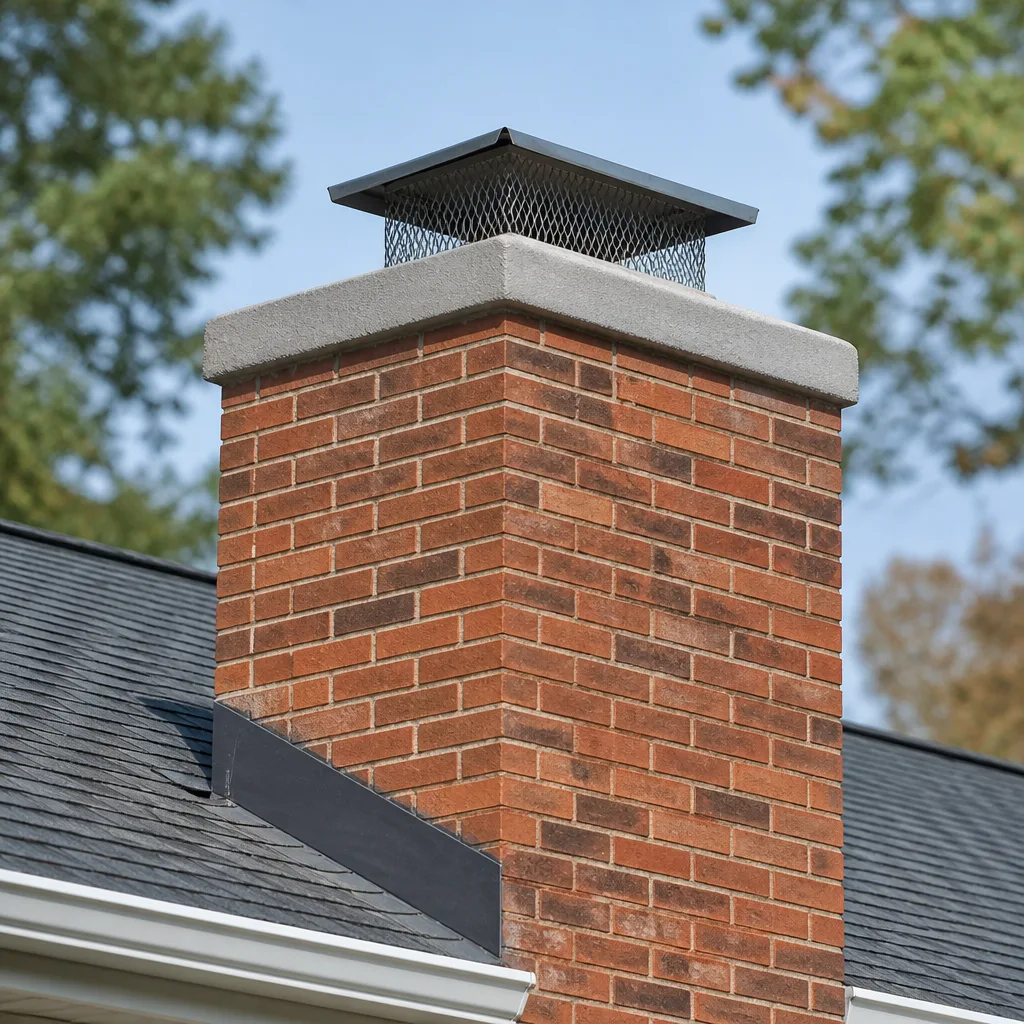 Caps & crowns
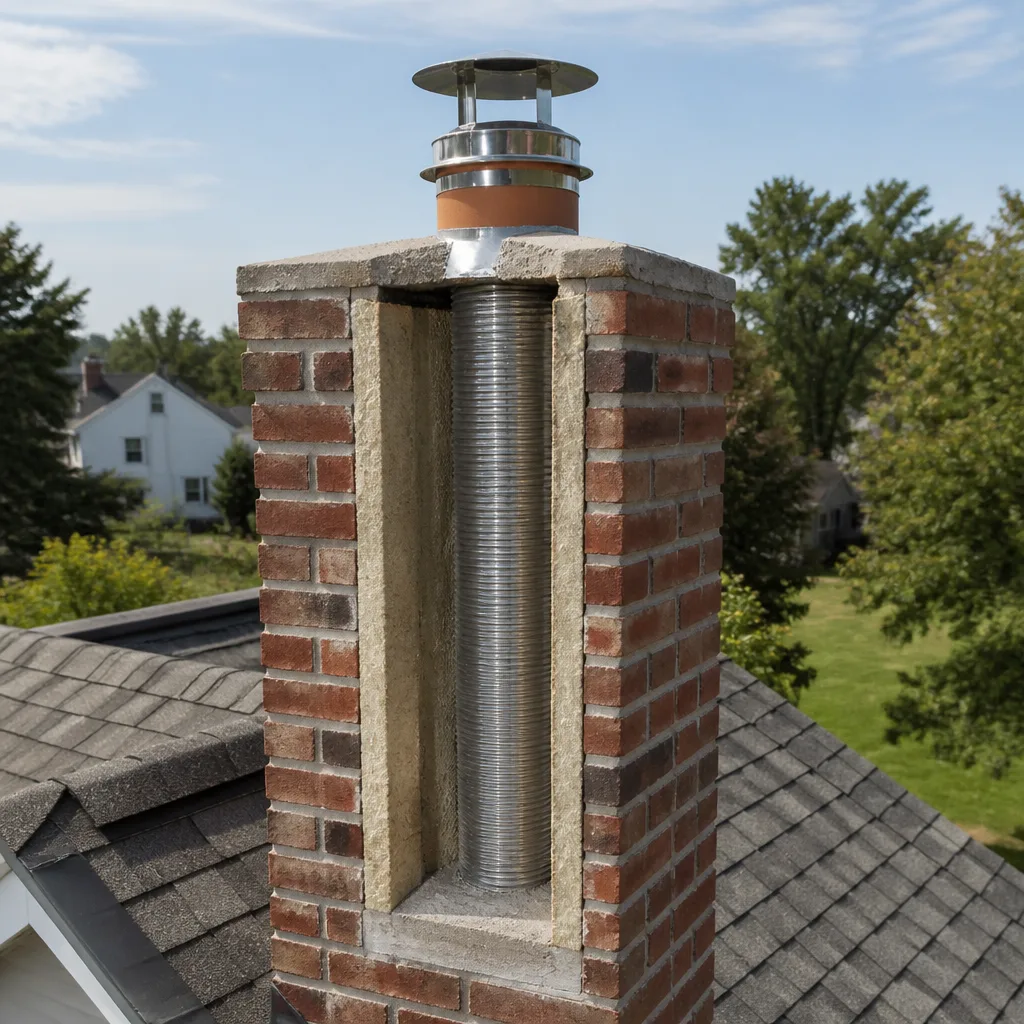 Flue relining
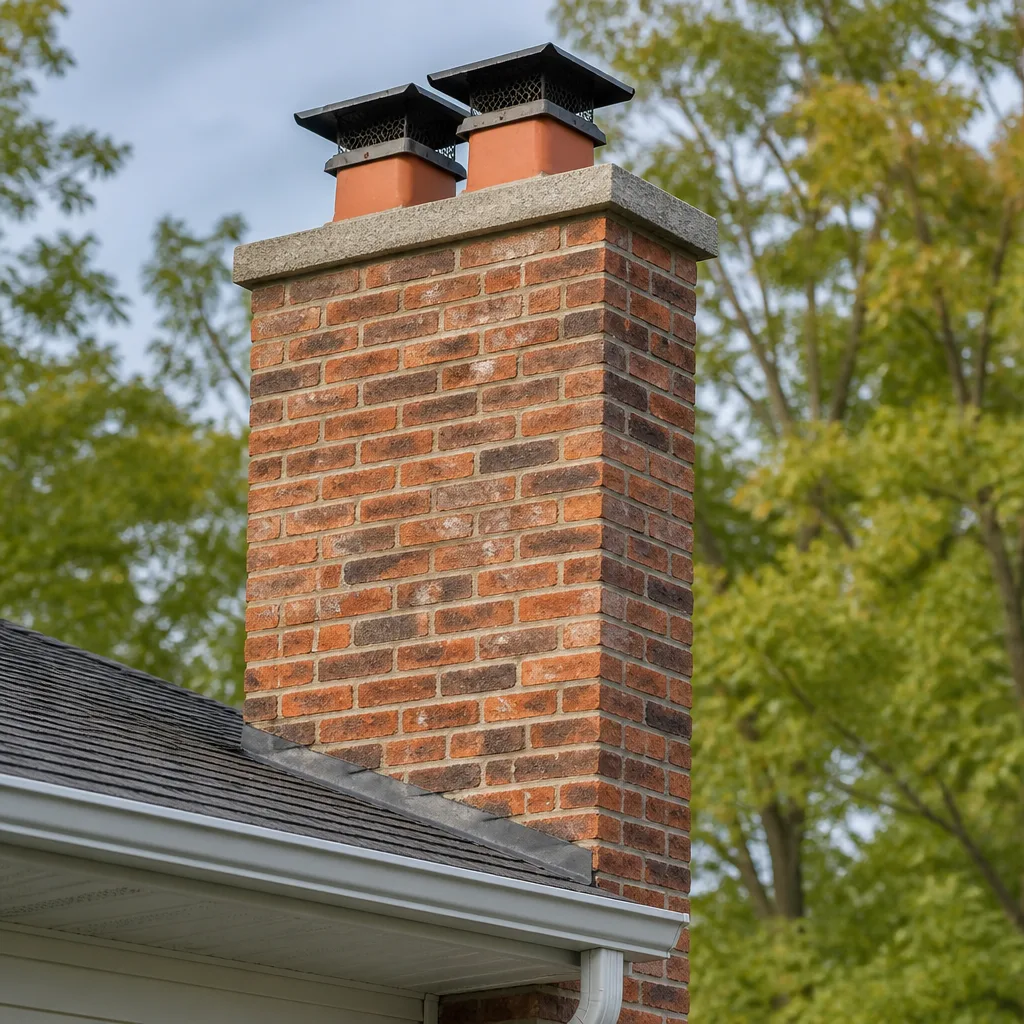 Masonry repair
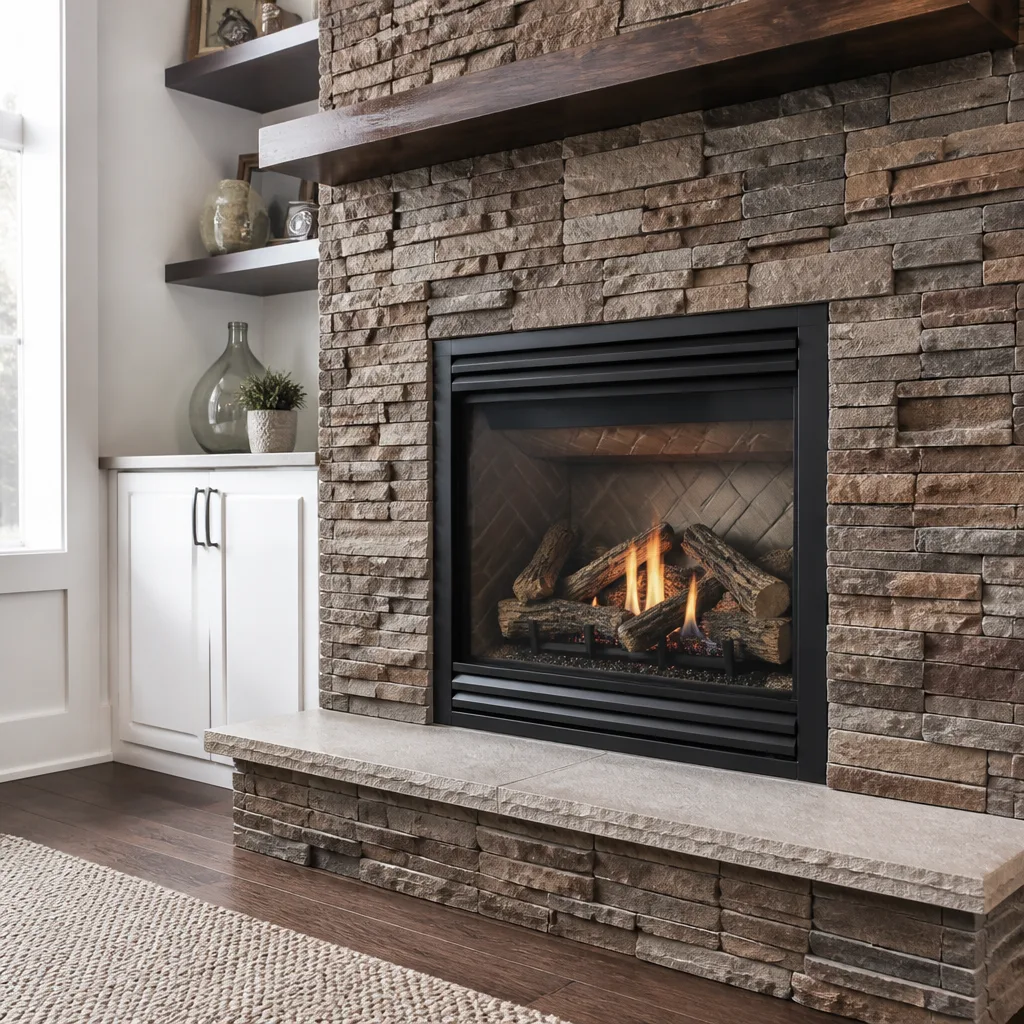 Gas fireplace service
Level 1 sweep and inspection to the NFPA 211 annual standard - flue, crown, cap, and flashing checked and photographed
Chimney sweep logs do not sweep chimneys. They loosen some creosote - which then falls where a brush and vacuum still have to collect it.
Chimney Sweep Maintenance Checklist for Mar Vista Homeowners
The most damaging stretch for a Mar Vista chimney isn’t the two months you’re actually burning wood. It’s the other ten, when moisture, pests and sun work on a system nobody’s looking at. Most chimney checklists are written for places with six months of hard winter and a real freeze, which isn’t how a Mar Vista fireplace gets used. Here you burn in short bursts, let the system sit for months, and let the weather do its slow work in between. This guide gives you a task-by-task calendar tied to that rhythm, with the September-through-August sequence that actually fits a Mar Vista home.
Quick Answer
A Mar Vista chimney needs four touchpoints a year: a pre-season inspection and sweep in September, a creosote and mortar check after your first three or four fires in December, a final sweep and cap reseal in February or March, and dormancy checks for pests and flashing through the dry months. The burn itself causes less wear than the idle months, so the off-season tasks matter as much as the cleaning.
Styles & brands we work with
- Sweep & inspection
- Caps & crowns
- Flue relining
- Masonry repair
- Gas fireplace service
Table of Contents
- Pre-Season Checklist: What to Do in September
- Mid-Season Check: After the First Few Fires
- Post-Season Tasks: February and March
- Dormancy Period: April Through August
- What You Can Check Yourself vs. What Needs a Camera
- How Often Should a Mar Vista Chimney Be Swept?
- What Chimney Maintenance Costs in Mar Vista
- Common Mistakes to Avoid
Pre-Season Checklist: What to Do in September
September is the right month to open the chimney up because the first cool evenings are close but the heavy burning hasn’t started. A sweep and inspection done now leaves time for any repair to be scheduled and finished before you light the first fire. The dry summer has also had months to work on mortar and caps, so problems are at their most visible.
Work through this in order. Each step tells you something the next one depends on.
- Operate the damper by hand. Open and close it fully a few times. It should move without grinding or catching, and it should sit flush when closed. A damper that sticks or won’t seal sends heat up the flue and lets cold air down when the fireplace is idle.
- Look up the flue with a flashlight. From the firebox, shine a light up and check for obvious blockages, heavy soot buildup or loose material. This is a look, not a diagnosis. It tells you whether the flue looks clear enough to burn safely, not whether the liner is sound.
- Inspect the cap and spark screen from the ground. The cap should sit level, be free of rust-through, and the screen should be intact with no gaps or sagging. A missing or damaged screen is the single most common way birds and debris get in.
- Do a smoke test before your first burn. Light a small piece of paper or a smoke pellet in a cold firebox and watch where the smoke goes. It should draft straight up. If it rolls back into the room, you have a draft or blockage problem that needs a technician before you burn anything substantial.
- Book the sweep and inspection. A proper pre-season visit covers cleaning, a camera look at the flue, and a written report on what was found. We handle the full chimney system, not just the sweep, so anything the inspection turns up can be scheduled without a second contractor.
One thing worth knowing about Mar Vista homes: many were built with masonry fireplaces that predate modern liner standards, and the flue tile on those older chimneys is what takes the wear. A September inspection with a camera catches cracked or spalling tile while there’s still time to address it before the season.
Mid-Season Check: After the First Few Fires
By December you’ve had your first three or four burns, which is exactly the point where you can read how the chimney is actually behaving under real use. This isn’t a full appointment. It’s a fifteen-minute check you do yourself, plus a decision about whether the creosote level warrants a call.
Creosote is the residue left behind when wood smoke cools on the flue walls. It comes in stages: light soot, then a flaky crust, then a shiny hardened glaze that’s much harder to remove and burns hotter. You can see the first two with a flashlight. The glazed stage usually needs a camera and a technician.
- Check the firebox walls and the first few feet of flue for buildup after those first fires. A thin dusting of soot is normal. A quarter-inch or more of flaky black crust means you should have it swept sooner rather than later.
- Spot-check mortar joints in the firebox. Run your eyes along the joints between firebricks. Any joint that’s crumbled, receded or shows a visible gap needs attention before the season gets going. Loose mortar in a firebox is a repair, not a cleaning issue.
- Watch for smoke spill at startup. If the fireplace drafted fine in September but now puffs smoke when you light it, your flue may be partially blocked or the cap screen may be clogged. Stop burning until it’s checked.
- Note how the fire burns. A fire that’s sluggish, smolders, or sends smoke out the top of the box rather than up is telling you something about draft. Don’t push through it.
What you don’t want to do is take a wire brush to the flue yourself. A chimney brush in the wrong hands can crack flue tile, and a glazed creosote layer that gets broken loose can end up lodged further down. This is a case where the tool matters as much as the technique.
Post-Season Tasks: February and March
February and March are when the last burns happen and when the chimney takes its real weather hit, because this is the wettest stretch of the Mar Vista year. Winter rain on a compromised cap or crown is what drives the damage that shows up in September. Post-season is the moment to close that loop.
Here’s how the sequence works:
- Time the final sweep to your last fire. Wait until you’re genuinely done burning for the season, then sweep. Sweeping at the end of the season rather than the start means the creosote and soot sit in the flue over the dry months rather than getting rained on and turning acidic. It also means the system enters dormancy clean.
- Reseal the cap and inspect the crown. Look for cracks in the concrete crown at the top of the chimney and rust or separation around the cap. A crown with a hairline crack seems minor but lets water into the masonry, which is how you end up with spalling brick and a much bigger repair. This is where our chimney cap & crown work earns its keep, and it’s also where product choice matters. We install Olympia Chimney and Famco caps and covers, sourced and installed on the same visit rather than quoted one week and ordered the next.
- Inspect the chase cover on prefab chimneys. If your chimney is a prefabricated unit with a metal chase cover, check that cover for rust, loose fasteners and gaps along the seams. Rain gets under a loose cover and into the framing. That’s a repair that costs far less now than after the wood has soaked for a season.
- Check the flashing where the chimney meets the roof. Flashing is the metal that seals that joint. Look for lifted edges, cracked sealant and gaps. This is also a good time to look at it after any wind event, not just in spring.
If the crown or chase cover needs more than a reseal, that gets documented in a report so you know exactly what you’re looking at.
Dormancy Period: April Through August
The five months when the fireplace is cold are when the surprises get set up. Pests move in, sun dries out and cracks masonry sealant, wind lifts flashing, and moisture works its way into mortar. None of it announces itself. That’s why the dormancy checklist is the part most homeowners skip and the part that costs the most to make up later.
What to do between April and August:
- Confirm pest exclusion. With the cap screen intact, this is mostly a matter of checking it from the ground once a month. Wasps, birds and squirrels all try the flue in warm months. A cracked screen or a cap that’s shifted is the opening they need.
- Check the flashing after any significant wind. High wind lifts flashing edges and can shift a cap that’s not fully secured. It takes five minutes from the ground to spot the problem and saves a water-damage repair.
- Look at the cap after any storm. Hail is uncommon here, but wind-driven debris and the occasional hard rain still test a cap. If you see rust streaks down the chimney face or a cap that’s no longer level, get it inspected.
- Watch for moisture inside the firebox. Dampness in a dormant firebox points to water entering from above, almost always through the crown, cap or flashing. That’s a call, not a wait-and-see.
- Book the pre-season visit early. Late summer is when everyone remembers their fireplace. Getting on the schedule in July or August means the September slot is yours, not a scramble.
Mar Vista’s dry months also mean the masonry dries out and shrinks slightly, then takes on water when the rains return. A crown that looked fine in August can open a hairline crack by February. That’s the reason the crown and cap get checked in both the post-season and dormancy passes.
What You Can Check Yourself vs. What Needs a Camera
You can safely check a good deal of your chimney yourself, and it’s worth doing because you’ll notice changes faster than an annual visit will. But there’s a line, and knowing where it is saves you from a false sense of security or, worse, an injury.
Safe for you to inspect:
- The damper, by hand
- The firebox walls and mortar joints at eye level
- The cap and spark screen from the ground with binoculars
- The crown, from the ground or from a window that looks down on the roof
- The flashing and chase cover from the ground after a storm
- Visible creosote buildup in the first few feet of the flue
- Draft behavior by smoke test
Needs a technician:
- The full length of the flue interior, top to bottom
- The liner’s condition, especially tile joints and any cracking
- Glazed creosote, which is hard to see and harder to remove
- Any blockage past the first few feet
- Offsets, elbows and the smoke chamber above the damper
- Anything on the roof that requires getting up there
The camera is the difference. A flashlight from the firebox shows you the first stretch of flue. A flue camera shows the whole run, the smoke chamber, the liner joints and the condition of the tile, and it produces a photo report you can look at yourself. If you’ve been told your chimney needs liner work, ask to see the images before you agree to anything. A legitimate inspection can always show you the evidence.
Where liner restoration comes up, we use HeatShield, the ceramic resurfacing system that rebuilds the inside of a liner without pulling it out. For the right chimney, it’s a less invasive and lower-cost path than a full reline, and it’s work many sweep-only companies can’t offer because they don’t do restoration at all. When a full reline is the right answer, we install DuraFlex liner systems, and we’ll tell you which of the two the camera evidence supports.
How Often Should a Mar Vista Chimney Be Swept?
Once a year is the usual answer for a wood-burning fireplace, and it’s close to right for most Mar Vista homes. But the real answer depends on how much you burn. A household that lights the fireplace most evenings from November through February needs a sweep every year. A household that burns a dozen fires a season can often go a year between sweeps with a camera inspection in between. Here’s how the volume maps to frequency:
- Light use (a fire a week or less in season): annual inspection, sweep as buildup warrants
- Moderate use (three or four fires a week through winter): annual sweep plus a mid-season buildup check
- Heavy use (daily burning in season, or burning seasoned hardwood only for heat): annual sweep, and have the flue looked at mid-season
- Gas fireplace: annual inspection to check the vent, the logs and the burner, but no creosote sweep unless the unit has a wood-burning option
One variable worth more than any of these: burn dry, seasoned wood. Wet or green wood produces far more creosote per fire, so a household burning unseasoned wood can need a sweep at half the fire count. That’s a cheap fix compared to the cost of glazed creosote removal. A chimney sweep visit that finds light soot is a good outcome. It means your burning habits are working.
How do you know when it’s time? Three signals: heavy or glazed creosote visible in the first few feet of flue, a smoky or sluggish fire that used to draft well, or the annual inspection telling you it’s due. Don’t wait for a problem to announce itself. The whole point of a checklist is doing the work before the symptom shows up.
What Chimney Maintenance Costs in Mar Vista
A routine sweep and inspection in Mar Vista typically runs in the low-to-mid hundreds for a standard single-flue chimney. The ranges below reflect what most jobs fall into for this area. They’re estimates, not a quote, and the written estimate you get before any work sets the final price.
| Service | Typical estimated range | Notes |
|---|---|---|
| Routine sweep (standard flue) | Low-to-mid hundreds | Included in a pre- or post-season visit |
| Camera inspection with photo report | Low-to-mid hundreds | Standalone; useful for real estate or insurance |
| Sweep plus inspection, combined | Mid hundreds | Our standard pre-season visit |
| Cap and screen installation | Mid-to-high hundreds | Olympia Chimney or Famco caps; sourced and installed on one visit |
| Crown reseal or crown repair | High hundreds into four figures | Depends on the extent of cracking and whether the crown is rebuilt |
| HeatShield liner restoration | Varies with flue length and condition | Less invasive alternative to a full reline when the camera supports it |
| Full reline (DuraFlex) | Four figures and up | Only when the existing liner can’t be restored |
Two things to keep in mind. First, you don’t pay for work you don’t need. If the camera shows a sound liner and light soot, that’s what the report says, and the repair can safely wait. Second, the estimate is free. Call (855) 337-2073 to book one. We answer 24/7, and fast dispatch from 7am to 7pm means we can get someone out promptly. No one recommends liner or masonry work without photography you can look at yourself.
The commercial brands we work with matter to the price as well. HeatShield, Gelco and Copperfield are industry-recognized names for a reason: a repair built with professional-grade materials holds up longer than a patch done with hardware-store sealant, so the job gets done once. That’s a real cost consideration even if the number on the estimate looks higher in the short term.
Common Mistakes to Avoid
- Skipping the off-season. Treating the chimney as working only during burn season leaves nine months of pest, water and wind damage unmonitored. The annual cost of a September inspection is far less than the February repair it prevents.
- Waiting until the first cold snap to book. Late-autumn scheduling fills up fast in Mar Vista, and a same-week appointment in December is hard to find. Book in late summer and you go into the season knowing the system’s condition.
- Cleaning a flue yourself with a stiff wire brush. This damages tile and can lodge broken creosote deeper in the flue. Most flue cleaning should be done with the right tools and a camera to check the result.
- Ignoring a small crown crack. A hairline crack in the crown lets water into the masonry. In an area with wet winters and dry summers, that cycle is the primary cause of long-term masonry damage.
- Burning unseasoned wood to save a few dollars. Green or wet wood produces more creosote per fire, which cancels out the saving by driving up the sweep and repair costs.
- Accepting a liner diagnosis without seeing the camera. A repair recommendation should always come with images. If a contractor says you need a new liner but can’t show you why, ask for the photos or get a second inspection.
- Skipping the cap screen. A missing or torn spark screen lets birds, squirrels and debris into the flue. It’s one of the most common causes of a blocked chimney and a straightforward thing to check from the ground.
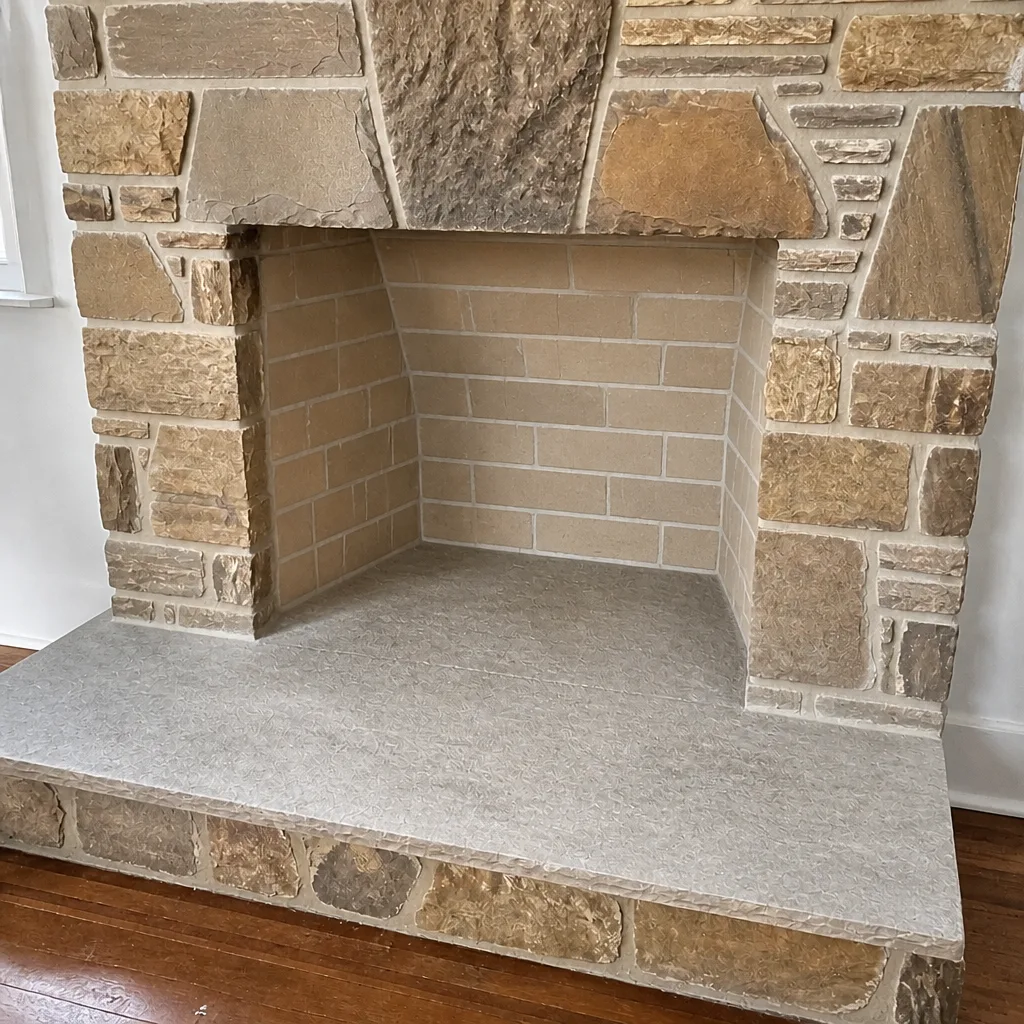
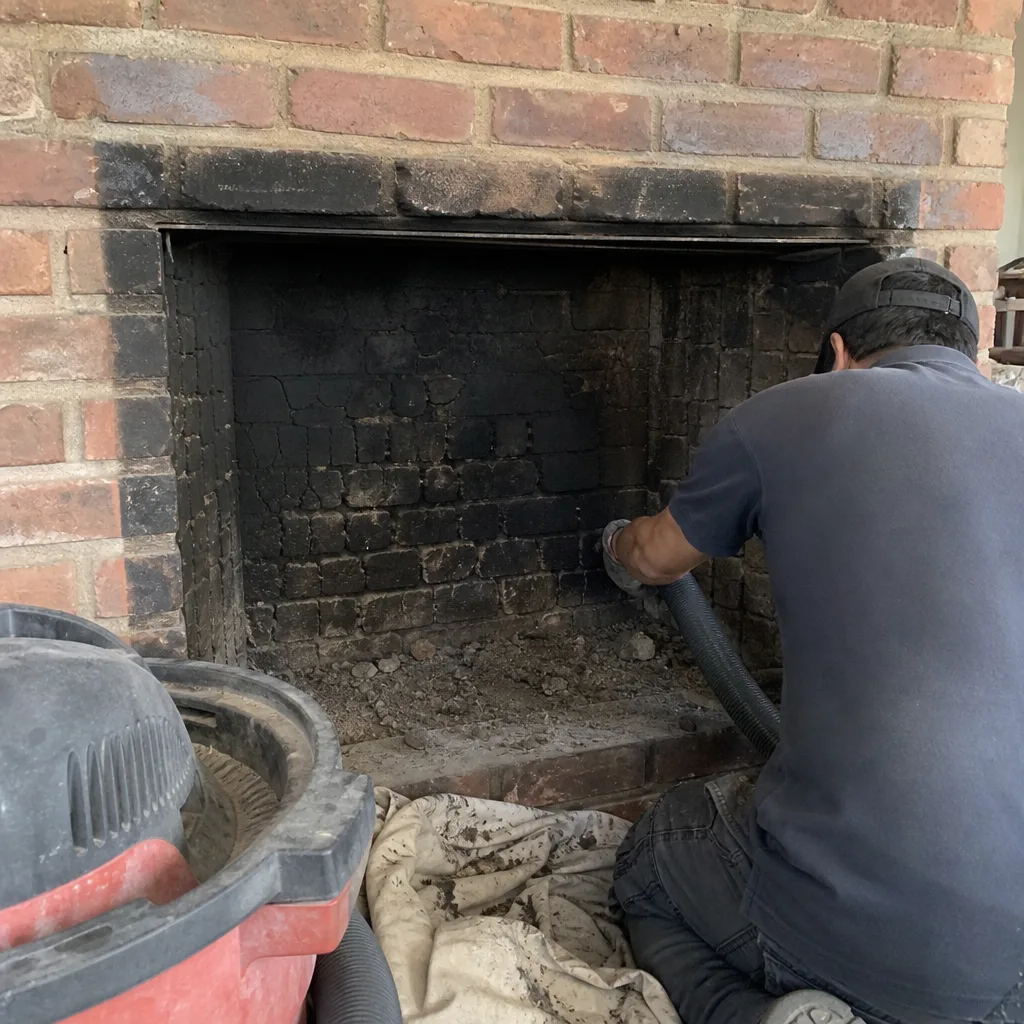
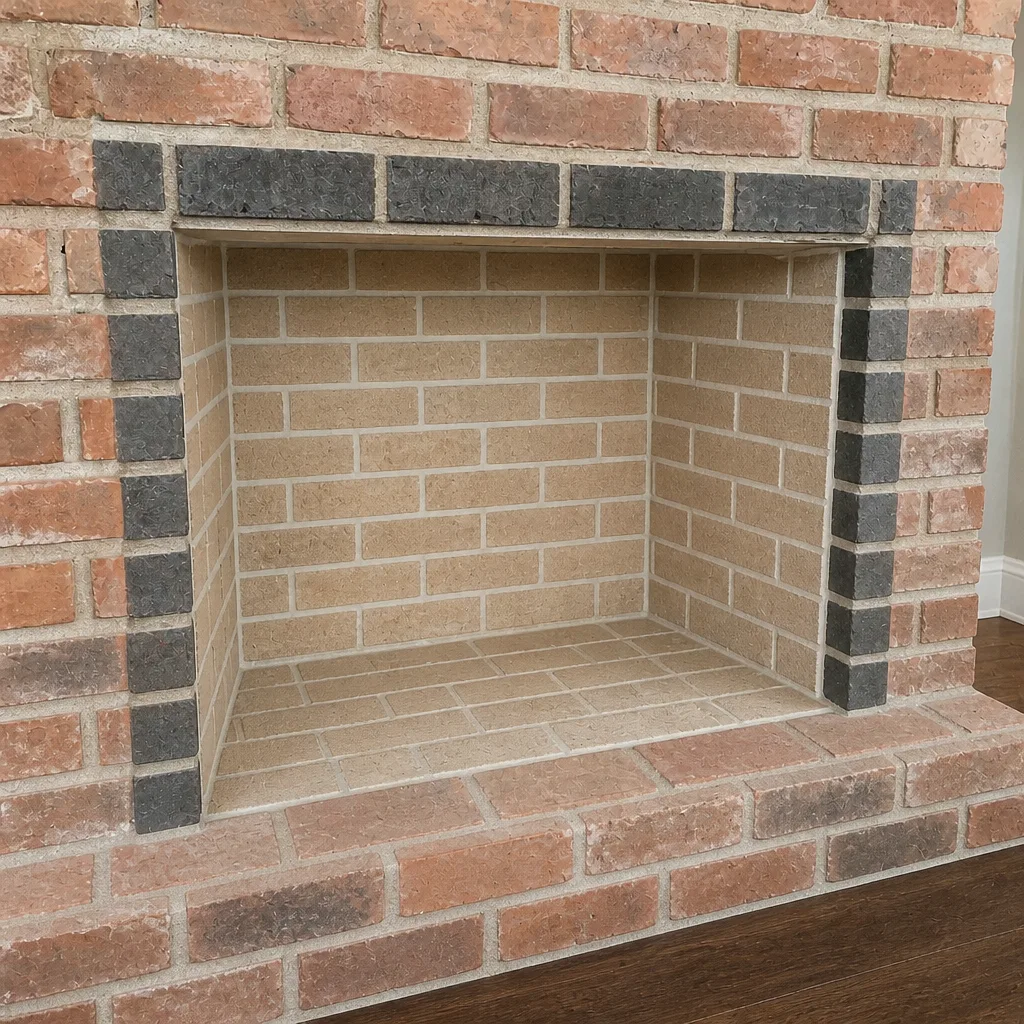
See the difference
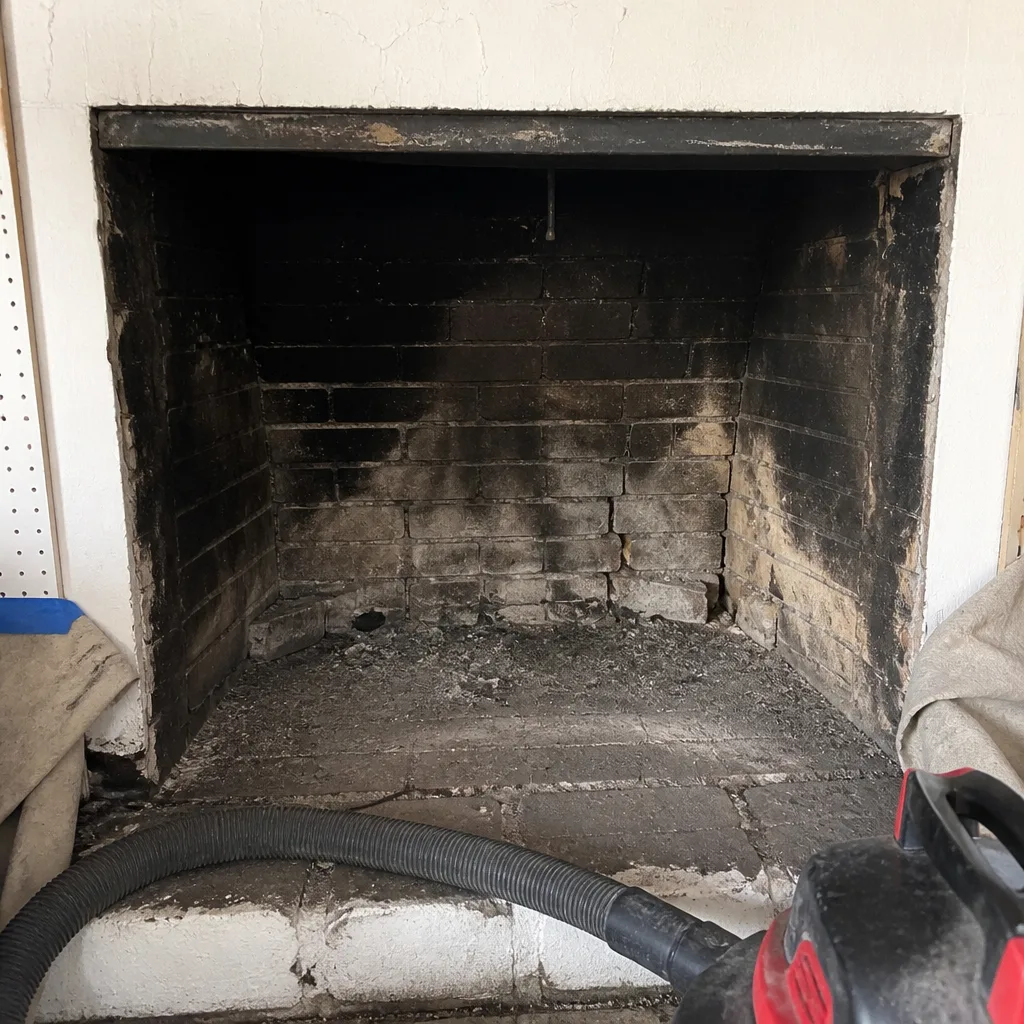 Before
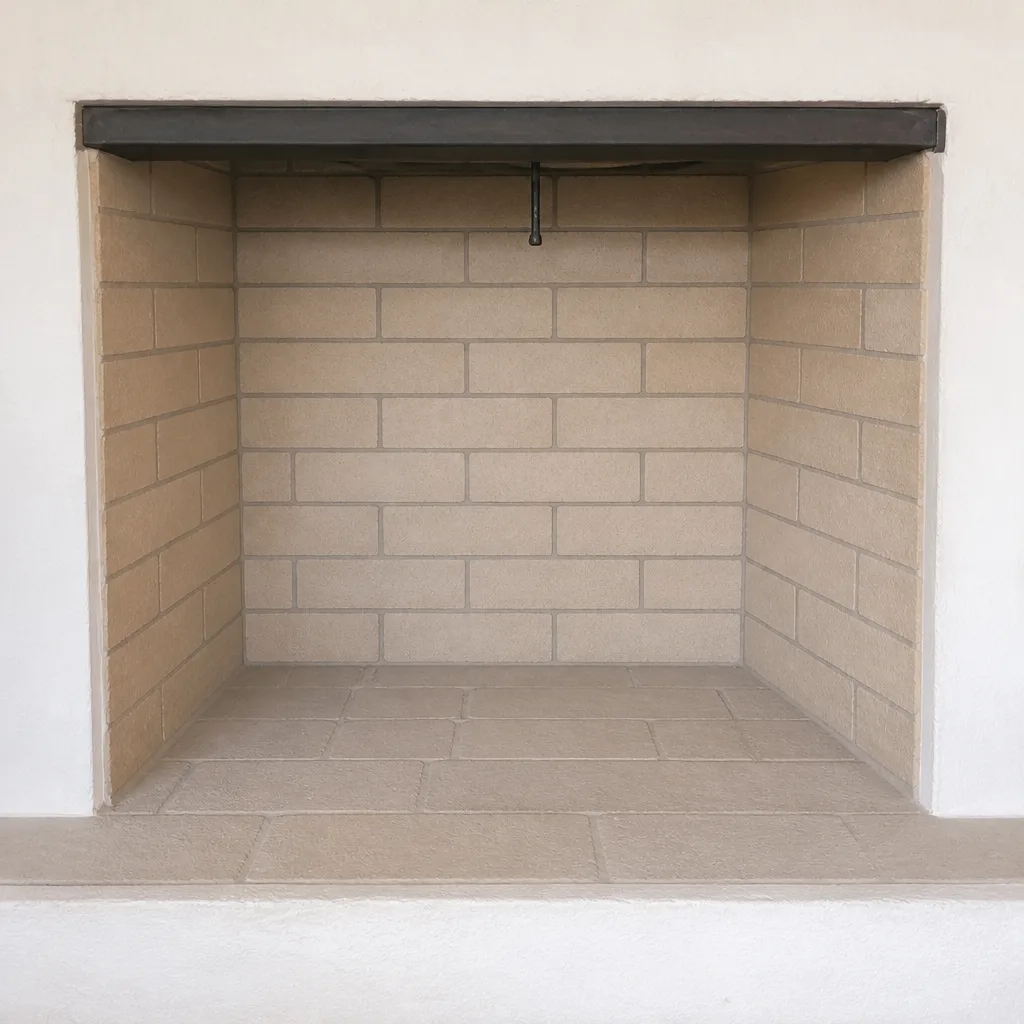 After
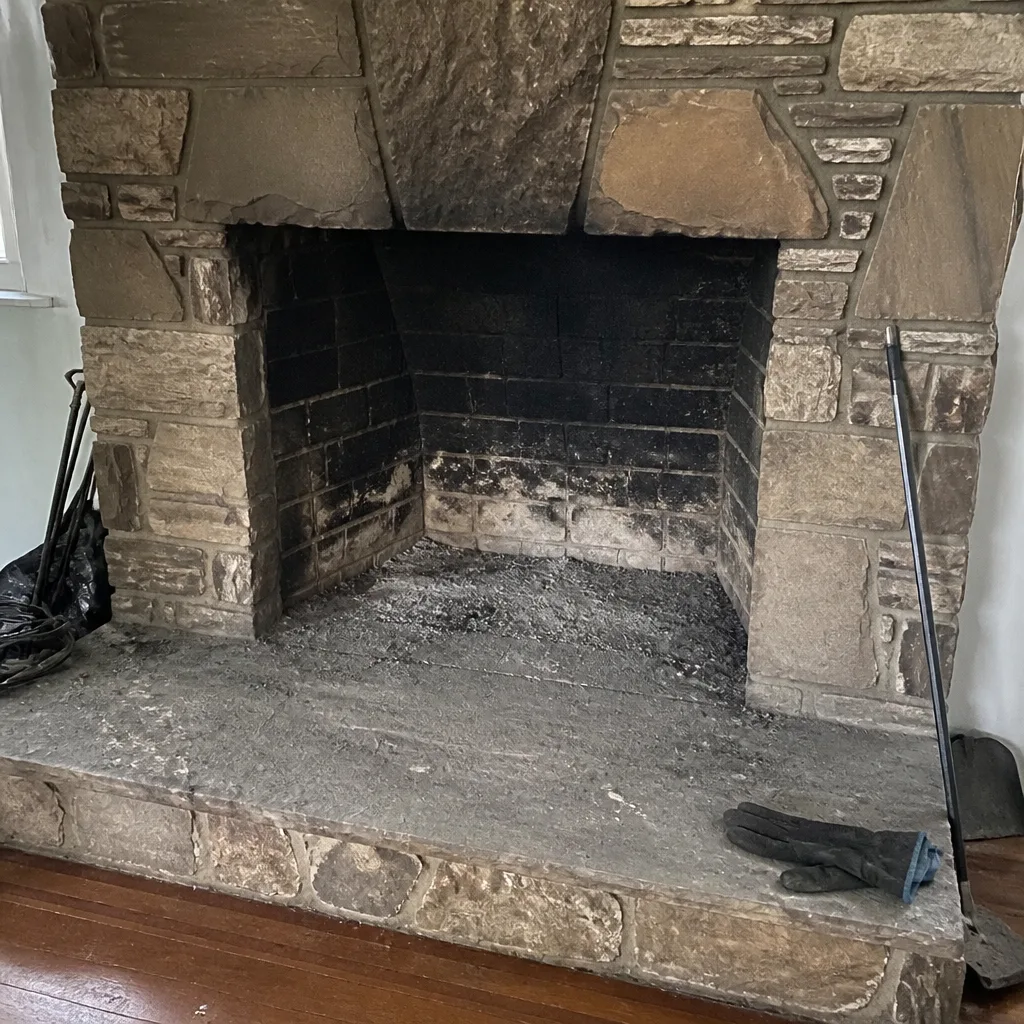 Before
 After
 Before
 After
When to Call a Professional
Call us when any of these happen: a smoky fire that used to draft cleanly; visible glazed creosote; a cracked crown or a loose cap; moisture in the firebox; a bird or animal in the flue; a chimney that hasn’t been inspected in over a year; or a real estate or insurance situation that needs documented inspection. If you’ve been told your chimney needs work you can’t verify, we’ll bring a camera and show you. Chimney Sweep Mar Vista offers free estimates in Mar Vista. Call (855) 337-2073 to book one. We answer 24/7, and a call outside dispatch hours is booked into the next opening, Sunday through Friday, 7am to 7pm. Fast dispatch from 7am to 7pm means we can usually get to you promptly.
Frequently Asked Questions
Once a year for most wood-burning fireplaces that see regular winter use. Light users can sometimes go a year between sweeps with a camera inspection in between. Call (855) 337-2073 for an exact recommendation based on your setup.
September is the best month, because it gets the system clean and inspected before the heavy burning starts, and there’s time to schedule any repair before the first cold evening. Book in late summer to get the slot.
Not always. Many chimneys that get told they need a full reline can be restored with HeatShield instead, which is less invasive and less expensive. The camera evidence is what settles it, and we’ll show you the images before recommending anything. Call (855) 337-2073 for a free estimate and a close look.
Usually nothing that shows up that year. The damage builds in the off-season, when moisture gets into a cracked crown, a damaged cap or loose flashing, and pests find their way in through a torn screen. Small defects become expensive repairs over a few dormant seasons. Call (855) 337-2073 to book an inspection before that happens.
You can check the safe parts: the damper by hand, the firebox mortar, the cap and screen from the ground, the flashing after a storm, and the draft by smoke test. The full flue interior needs a camera. Book a professional inspection for the parts you can’t see.
Yes. We offer standalone inspections, separate from a cleaning appointment, that produce a documented report with photo evidence suitable for a real estate transaction or an insurance requirement. Call (855) 337-2073 to discuss your situation.
One more FAQ worth answering directly. If a chimney sweep or another contractor has told you that you need thousands of dollars of liner or masonry work, and you have no way to verify it, that’s exactly the situation where a second inspection earns its keep. A report with photos is a fair request. It lets you see for yourself what the camera saw, and it’s how you decide whether the repair is urgent or can wait.
The Bottom Line
The Mar Vista fireplace calendar runs on a long dormancy and a short burn, which is the opposite of what most chimney checklists assume. Work the year in four passes: a September sweep and inspection before the season, a December creosote and mortar check after your first few fires, a February or March final sweep with cap and crown resealing, and a dormancy check for pests and flashing through the summer. That catches the damage before it turns into repair. When the camera shows something beyond cleaning, we handle the full system from cap to crown, including fireplace repair when that’s what the problem really is. Book the pre-season visit this September. Call (855) 337-2073 for a free estimate. We answer 24/7, and fast dispatch from 7am to 7pm means we get out to look quickly. Our technicians have up to 12 years of experience, and we’ll show you exactly what the camera found.
Written by the team at Chimney Sweep Mar Vista.