
Last updated November 22, 2026
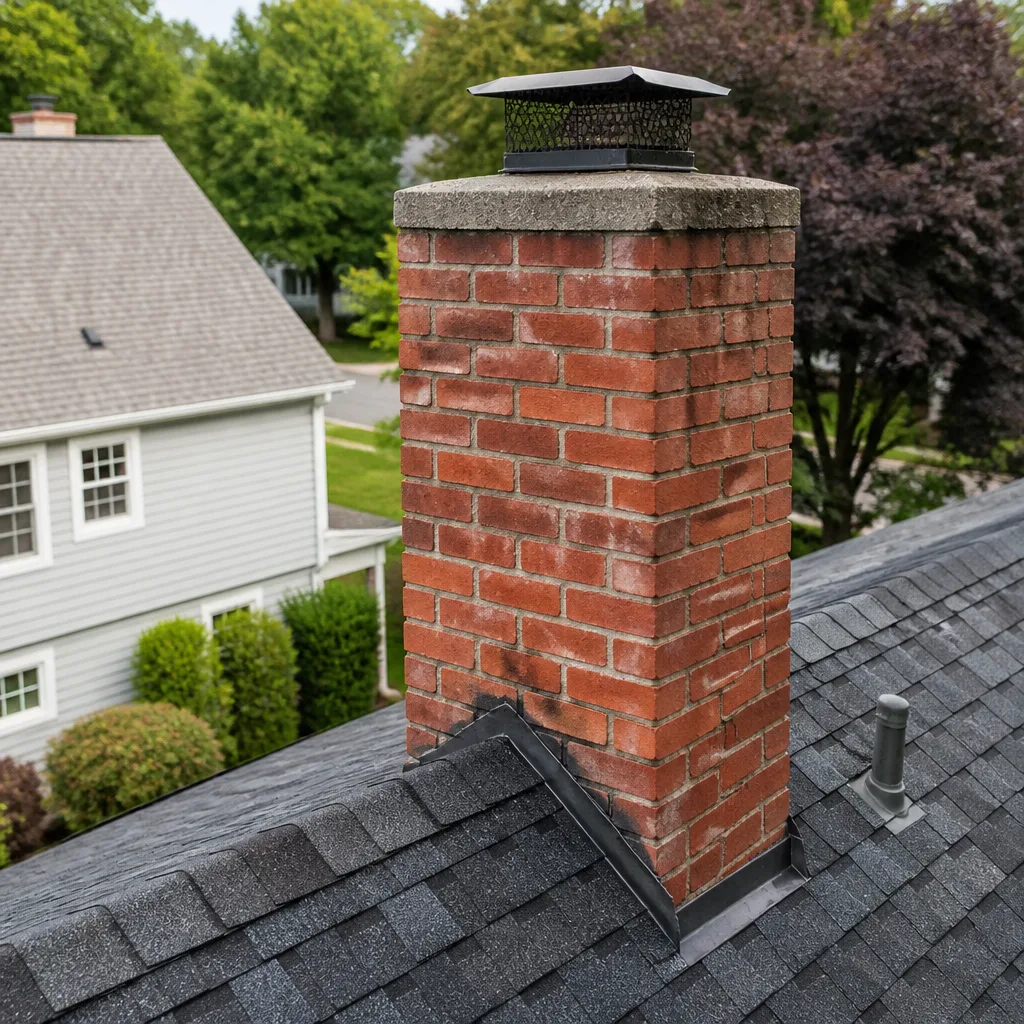 Sweep & inspection
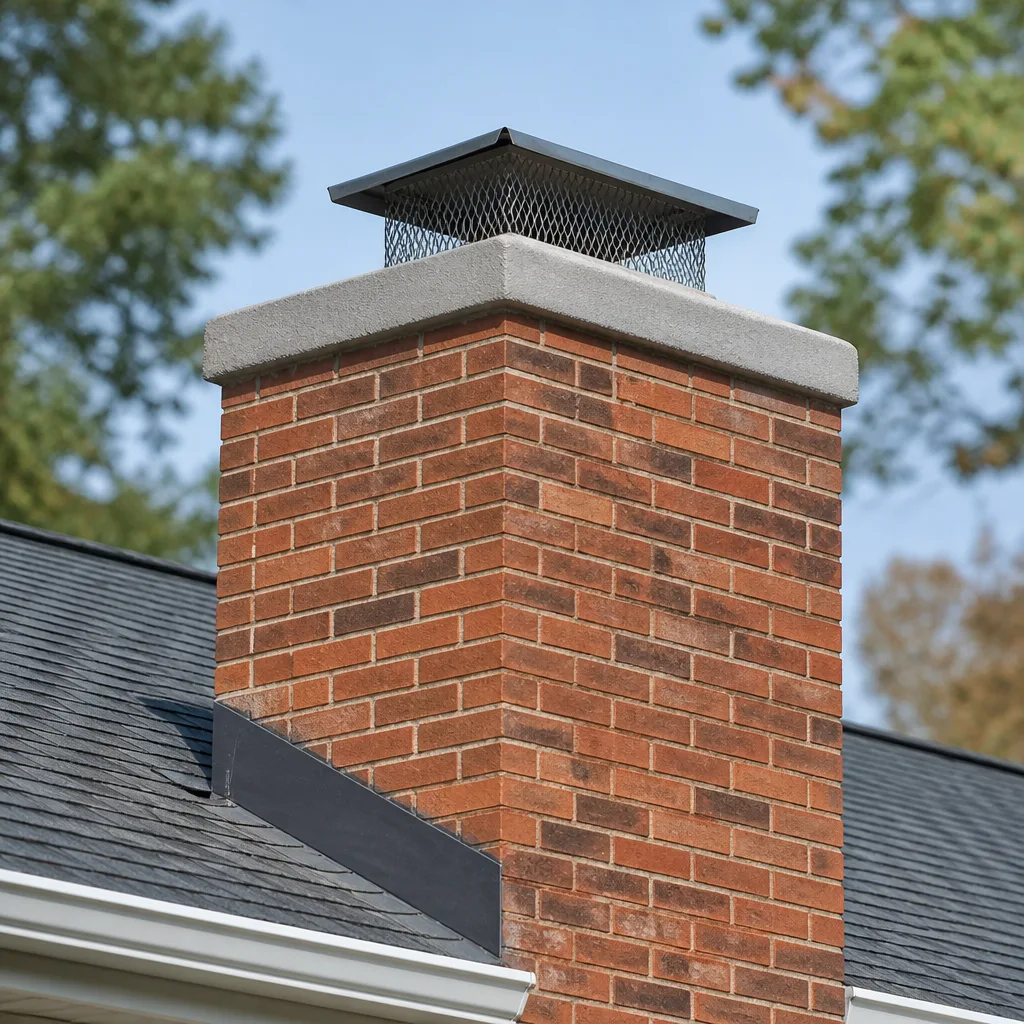 Caps & crowns
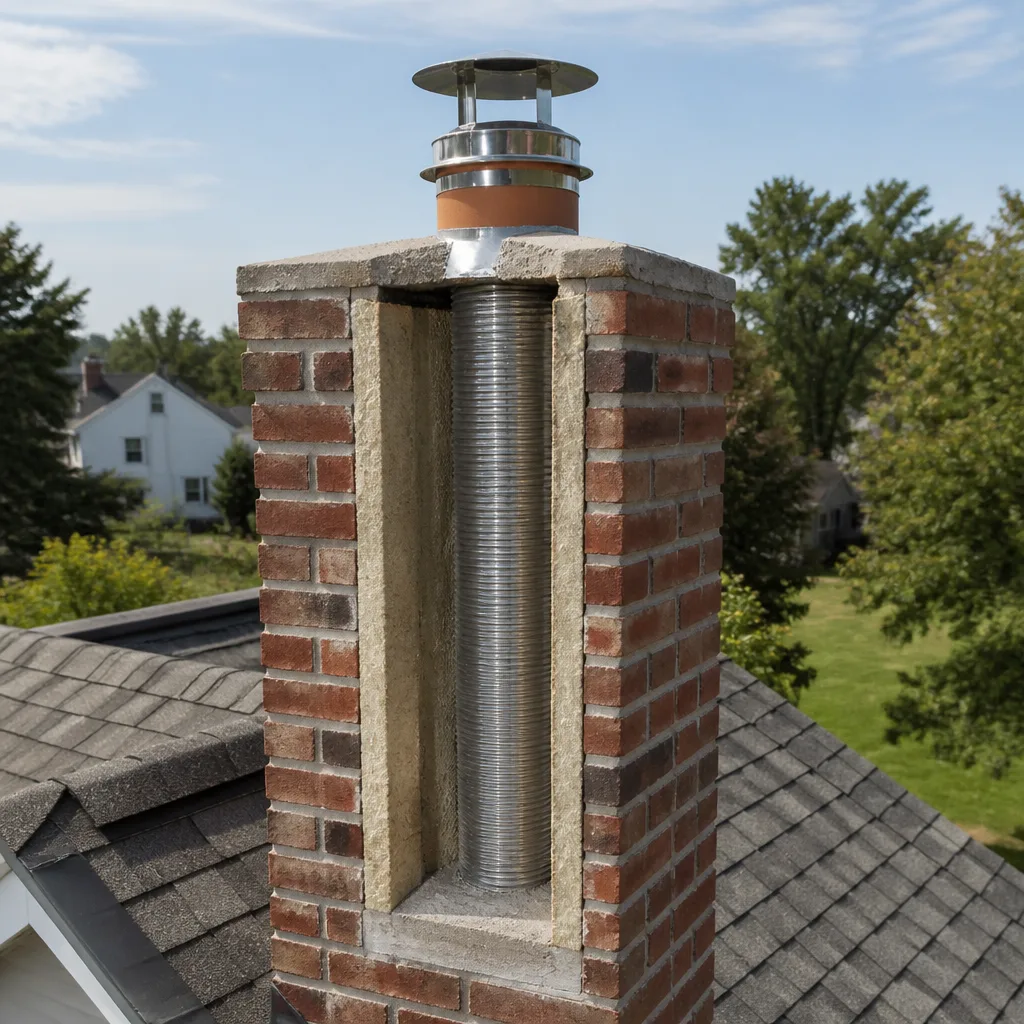 Flue relining
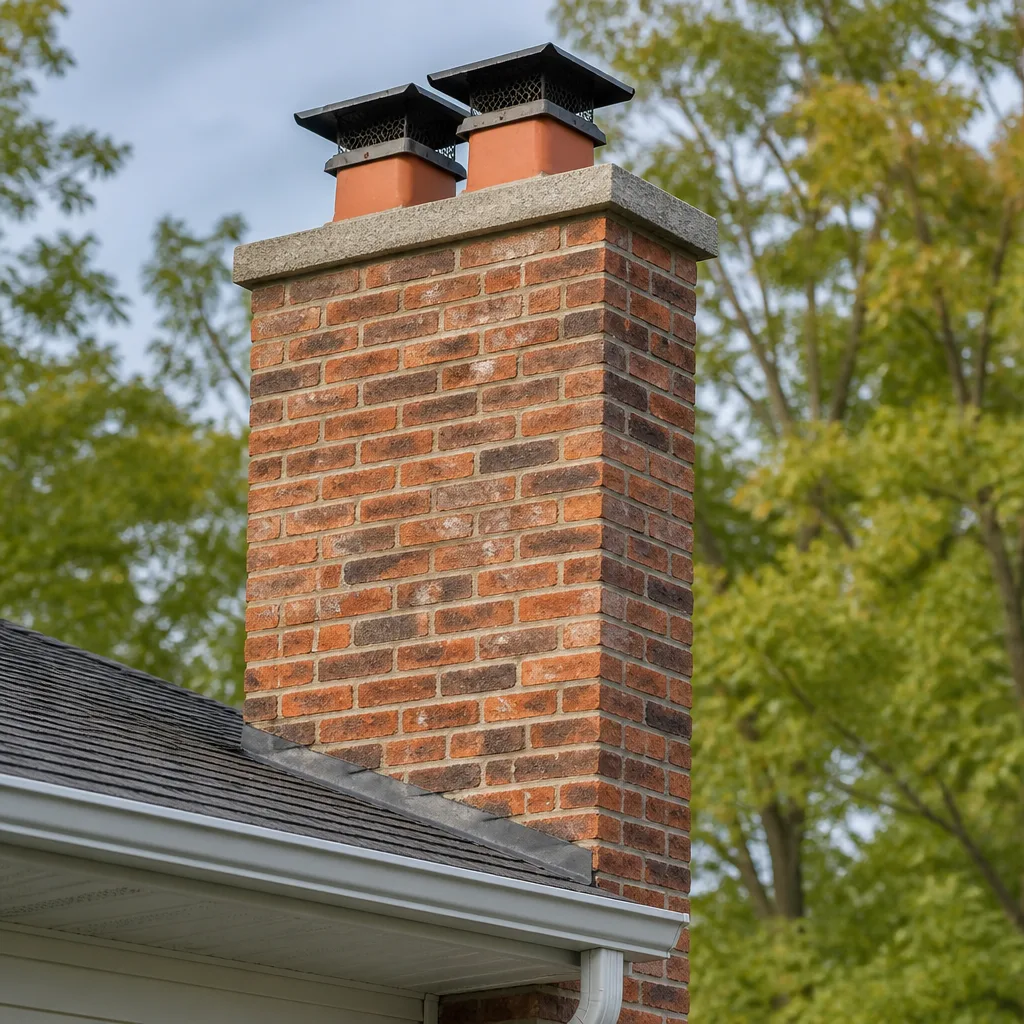 Masonry repair
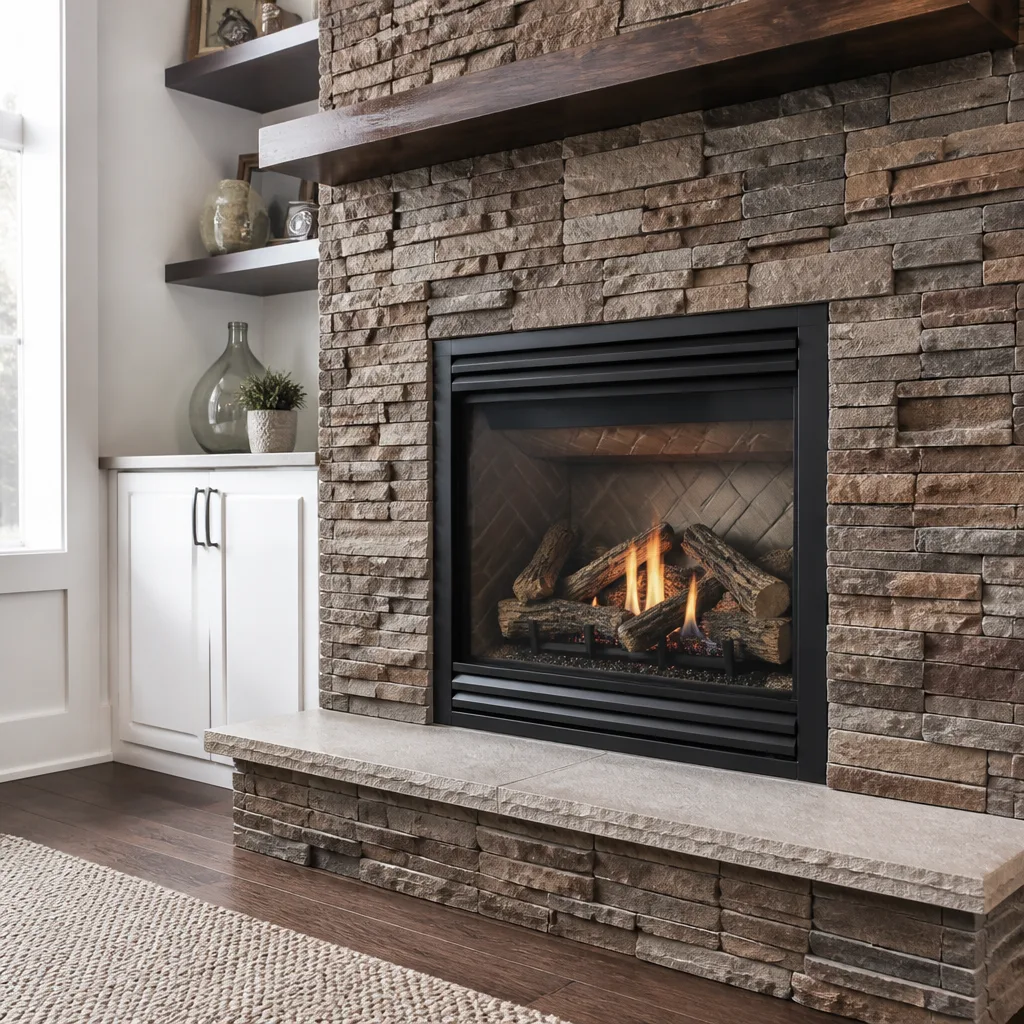 Gas fireplace service
Level 1 sweep and inspection to the NFPA 211 annual standard - flue, crown, cap, and flashing checked and photographed
Chimney sweep logs do not sweep chimneys. They loosen some creosote - which then falls where a brush and vacuum still have to collect it.
Chimney Sweep Troubleshooting in Mar Vista: Common Problems and How to Fix Them
Smoke rolling back into your living room doesn’t automatically mean your flue is packed with creosote. In plenty of Mar Vista homes, it means the cap is wrong for the flue, or the house is running negative pressure, or the firebox opening is too large for the chimney height. A sweep alone won’t touch any of those. The expensive part of chimney trouble isn’t the repair, it’s paying for the wrong repair first. So this guide does something different from most troubleshooting pages: it maps the symptom you’re seeing to the specific component most likely causing it, so you can walk into a service call knowing whether you’re facing a cleaning, an inspection, or a repair. We cover the crown, cap, damper, and liner as four separate checkpoints rather than one vague “chimney problem.”
Quick Answer
Most chimney problems in Mar Vista trace to one of four components: a clogged or glazed flue, a damaged crown letting water in, a cap that’s the wrong size or style for the flue, or a damper that no longer seals. Smoke spillback usually points to draft or pressure rather than soot. Odd smells in summer usually point to creosote or moisture. A routine sweep fixes the first; a Level 2 inspection and a repair fix the others. Matching the symptom to the component is what saves you from paying for the wrong fix.
Styles & brands we work with
- Sweep & inspection
- Caps & crowns
- Flue relining
- Masonry repair
- Gas fireplace service
Table of Contents
- Symptom-to-Component: Reading Your Chimney Like a Technician
- Why Smoke Spills Back in Mar Vista’s Mild Climate
- The Summer Creosote Smell and What It Actually Means
- Four Diagnostic Checkpoints: Crown, Cap, Damper, Liner
- Sweep vs. Repair: Which Problems a Cleaning Fixes
- When You Need a Level 2 Inspection vs. a Routine Sweep
- The Homeowner Checklist to Run Before You Call
- Common Mistakes to Avoid
Symptom-to-Component: Reading Your Chimney Like a Technician
When a technician walks into a Mar Vista home with a chimney complaint, the first thing we do is ask which symptom you’re seeing, not how often you burn. The symptom narrows the search faster than anything else. Here’s the mapping we use, and you can use it too.
| Symptom | Most Likely Component | What Usually Fixes It |
|---|---|---|
| Smoke spilling into the room on startup | Draft/pressure, cap, or flue sizing | Sweep, then inspect the cap and damper |
| Smoke spilling continuously while burning | Blocked flue or collapsed liner | Level 2 inspection, then repair or reline |
| Creosote smell in warm months | Creosote deposits reacting to heat/humidity | Sweep with a chemical treatment |
| Draft reverses when another exhaust fan runs | Pressure imbalance in the house | Makeup air, cap change, damper check |
| Water stains on the ceiling near the chimney | Crown cracks or failed flashing | Crown repair or rebuild |
| Rust or corrosion on the firebox or damper | Moisture intrusion from above | Cap and crown work, damper replacement |
| Liner visible from the top with gaps | Damaged or missing liner sections | DuraFlex reline or HeatShield restoration |
Notice that the left column is all things a homeowner can notice without tools. That’s the whole point. You don’t need a camera to sort symptoms, and you don’t need to guess which repair you’ll need. You just need the symptom-to-component map and a technician who will show you the camera evidence behind whatever they recommend. If you start with the symptom, the service call begins with real data instead of a blank stare at the firebox.
The second thing we do is confirm the symptom is repeatable. A one-time puff of smoke on a windy evening is different from smoke every single time you light a fire. Note what you did right before it happened: opening a door, running the range hood, warming the flue with a rolled newspaper. Those details are why we say the diagnosis starts in your living room, not on your roof.
Why Smoke Spills Back in Mar Vista’s Mild Climate
Here’s the counterintuitive part. Mar Vista winters are mild, and mild winters mean small, cool fires. Small cool fires don’t heat the flue quickly, and a cold flue has no upward push. So the smoke sits in the firebox and then finds the easiest exit: back into the room. Inland homes with cold winters get a strong draft almost immediately because the temperature difference between the fire and the outside air drives the smoke up. Mar Vista homes face the opposite problem: the outside air is often close to the inside air, so the chimney has to work harder to establish draft, and it can fail on startup.
That explains the startup puff. Layer in two more Mar Vista-specific factors:
- Air pressure. Mar Vista sits in a mild coastal basin where the air pressure is gentler and more changeable than inland. On still days, pressure can sit close to the indoor pressure, so the flue’s upward push is weak. On windy days, the pressure at the cap can change suddenly and stall the flue or reverse it.
- Tighter houses. Many Mar Vista homes have been updated with insulation and newer windows, which is good for comfort but leaves very little makeup air for the chimney. Run the kitchen hood or a bathroom fan and you’re pulling air out of a house that has nowhere to let more in, so the chimney pulls air down instead of smoke up.
None of that is a soot problem. Which means a sweep won’t solve it. What usually does is a combination of warming the flue before lighting, opening a nearby window a crack while the fire catches, and making sure the cap is the right height and style for the flue. If the draft reverses repeatedly even when the flue is warm, that’s the point where a Level 2 inspection is worth the call.
The Summer Creosote Smell and What It Actually Means
If your fireplace smells like a campfire in July, that’s creosote. Creosote is the tar-like residue left on the flue walls after burning wood, and on warm days it softens, and the smell drifts back down the flue into the house. In Mar Vista, where summer afternoons get genuinely warm, this is a more common complaint than you might think, because there’s no cold weather to draw the smell up and out. It sits in the flue and finds its way to you. A sweep removes the creosote, and a chemical treatment on the flue walls loosens the glazed layer that plain brushing leaves behind. That’s the fix, and it’s a routine one.
The secondary cause of summer smell isn’t creosote at all: it’s moisture. When the crown is cracked or the cap has failed, water gets into the firebox and the flue, and damp soot and rusted steel both smell. You’ll usually see the difference: creosote smell is the sharper, smoky one; moisture smell is more of a stale, damp, metallic one, often paired with rust on the damper or a dark water mark near the ceiling. If the smell comes with rust or a water stain, get the crown and cap checked before you re-light.
One more thing: an unused chimney in a Mar Vista home tends to smell worse in summer than a used one, because creosote that’s been sitting on the walls for a season has had time to soften and release. If you inherited a house with a fireplace you haven’t used yet, a sweep is the cheapest way to make sure the smell you’re noticing is just old residue and not something wet behind it.
Four Diagnostic Checkpoints: Crown, Cap, Damper, Liner
A chimney isn’t one thing. It’s four distinct parts, and each fails in its own way. Treating them as a single unit is why so many homeowners get a vague “your chimney needs work” without a clear explanation. So here are the four checkpoints, in the order a technician works through them.
1. Crown
The crown is the concrete cap on top of the chimney that sheds water away from the flue. When it cracks, water gets into the masonry and the firebox. A damaged crown shows up as water stains, rust inside the firebox, or crumbling mortar near the top. A repair is a real, scheduled job, not something a sweep touches. Fine hairline cracks are usually sealable; a crown that’s broken up or pulling away needs rebuilding.
2. Cap
The cap is the metal guard or lid over the flue, and it’s the part most likely to be wrong for the house. A cap that’s too small for the flue opening lets in water and downdrafts. A cap with a solid plate too close to the flue can choke the draft. We install Olympia Chimney and Famco caps and covers, and we source and install them so the selection and the installation happen together rather than as a quote-then-order process that leaves you waiting.
3. Damper
The damper is the door inside the firebox that closes the flue when the fireplace is unused. A damper that no longer seals lets inside air escape up the flue all winter, and it’s also a leak path for the summer smell we just talked about. If you can see gaps or feel air moving past a closed damper, it needs adjusting or replacing.
4. Liner
The liner is the flue inside the chimney, and it’s the part that matters most for both fire safety and smoke behavior. A cracked or gaped liner lets heat reach combustible framing and can also be the reason smoke never drafts properly. For liners that are sound but have surface damage, HeatShield, the ceramic resurfacing system, restores the liner from the inside without a full reline. When the liner is beyond restoration, a DuraFlex liner system replaces it. Both are trade-trusted materials; neither is hardware-store stock.
Sweep vs. Repair: Which Problems a Cleaning Fixes
This is the question homeowners ask most, and it deserves a clear answer. A routine chimney sweep removes creosote, soot, and debris from the flue, the firebox, and the smoke chamber. That’s it, and that’s a lot, because a sweep genuinely solves several of the symptoms above. Here’s the split.
A sweep usually fixes:
- The summer creosote smell, once the flue walls are brushed and treated.
- Smoke spillback caused by a partially clogged flue.
- Odor from soot buildup or animal debris in the flue.
- Soot-driven smoke that starts once the fire gets going.
A sweep doesn’t fix:
- Smoke spillback caused by pressure, cap sizing, or flue geometry.
- Water intrusion from a cracked crown or a failed cap.
- A damper that no longer seals.
- A cracked or gaped liner.
That distinction is why so many homeowners feel sold: they had a sweep, the smell went away, and then the drafts came back, and they got told it’s “still dirty.” It’s not still dirty. It’s a different problem. In Mar Vista, the mild winters mean your chimney may go a season without getting hot enough to burn off what a sweep leaves behind, so a sweep-and-treat combination tends to hold longer than a plain brush. Pairing the sweep with a look at the crown, cap, and damper at the same time means the diagnosis is done before you spend money on a second visit.
When You Need a Level 2 Inspection vs. a Routine Sweep
A sweep cleans. An inspection documents. They’re different services, and knowing which one you’re buying is the difference between a clean chimney and a documented one. There are three formal levels:
- Level 1 inspection: a visual check of the accessible parts of the system, done at the same time as a sweep. It answers “is this chimney safe to burn in right now.”
- Level 2 inspection: a camera inspection of the flue, the firebox, and the accessible parts of the chimney, documented with a written report. This is the one you need after a chimney fire, after a change to the system, before buying or selling a house, or when a problem has been spotted that a visual check can’t explain.
- Level 3 inspection: the most invasive level, involving access to concealed parts of the chimney when a Level 2 has found something that has to be opened up to diagnose.
We do inspections as a standalone service, separate from a cleaning appointment, so you can get a documented report for a real estate transaction, an insurance requirement, or a second opinion after another service told you the chimney “needs work.” That last one matters. A Level 2 inspection gives you camera evidence you can see yourself, which is how you decide whether the repair is real or not. A proper inspection report details what was found and what it means, and it stands on its own without the sale of a repair attached to it. If the inspection finds nothing, we say so, and it can wait.
The Homeowner Checklist to Run Before You Call
Run this before you call, and the technician walks in with your data instead of starting from scratch. None of it requires anything beyond a flashlight and a few minutes.
- Write down the symptom in one sentence. “Smoke puffs in on startup” is more useful than “the chimney doesn’t work.”
- Note when it happens. On startup, throughout the burn, or only when another fan is running. Each points to a different component.
- Note the weather. Does it spill on still days, windy days, or both. Windy-day spillback implicates the cap; still-day spillback implicates draft and pressure.
- Look at the firebox. Rust, water stains, or a sagging damper are all worth reporting.
- Check the ceiling near the chimney. Any staining or discoloration is a crown or flashing issue worth flagging up front.
- Think about the last time it was swept. If you don’t know, that’s fine; say so. It changes the recommendation between a sweep-first and an inspection-first.
- Note the summer smell. Is it smoky or damp/metallic. That distinguishes creosote from moisture.
Bring that list to the call and the first five minutes of the visit are spent diagnosing rather than interviewing. In our experience, customers who run this checklist get a clearer service recommendation and fewer follow-up visits, because we’re answering the real question instead of the edited version of it. Before you call, make sure the fire is fully out and the damper is open so the firebox is safe to look into.
Common Mistakes to Avoid
- Burning a fire before you’ve checked the crown and cap. In Mar Vista’s wetter months, a cracked crown lets water into the firebox all season, and lighting a fire on a wet firebox causes rust, cracks, and a smelly fire. Check the top before the first burn.
- Assuming smoke spillback means the flue is dirty. If the flue was swept recently and the smoke continues, it’s probably a pressure, cap, or geometry problem, and another sweep won’t solve it. Sweep first only if the flue is genuinely untouched.
- Buying a cap off the shelf without sizing it. A cap that’s the wrong size for the flue does more harm than no cap. Olympia Chimney and Famco caps let us match the cap to the flue and install it in the same visit.
- Treating the summer smell with an air freshener. It works for a day. The creosote is still on the flue walls, and it will be back on the next warm afternoon.
- Waiting for the firebox to rust before looking at the crown. Rust is the second symptom, not the first. By the time you see it, water has been getting in for a while.
- Skipping an inspection because the chimney “works fine.” An inspection is documentation, not a diagnosis of a problem. It’s the right move before a sale or after a chimney fire, even when the chimney is quiet.
- Re-lighting without sweeping after an animal has been in the flue. Nests and debris can partly block the flue and back chute, and the usual symptom is smoke that was never a problem before.
See the difference
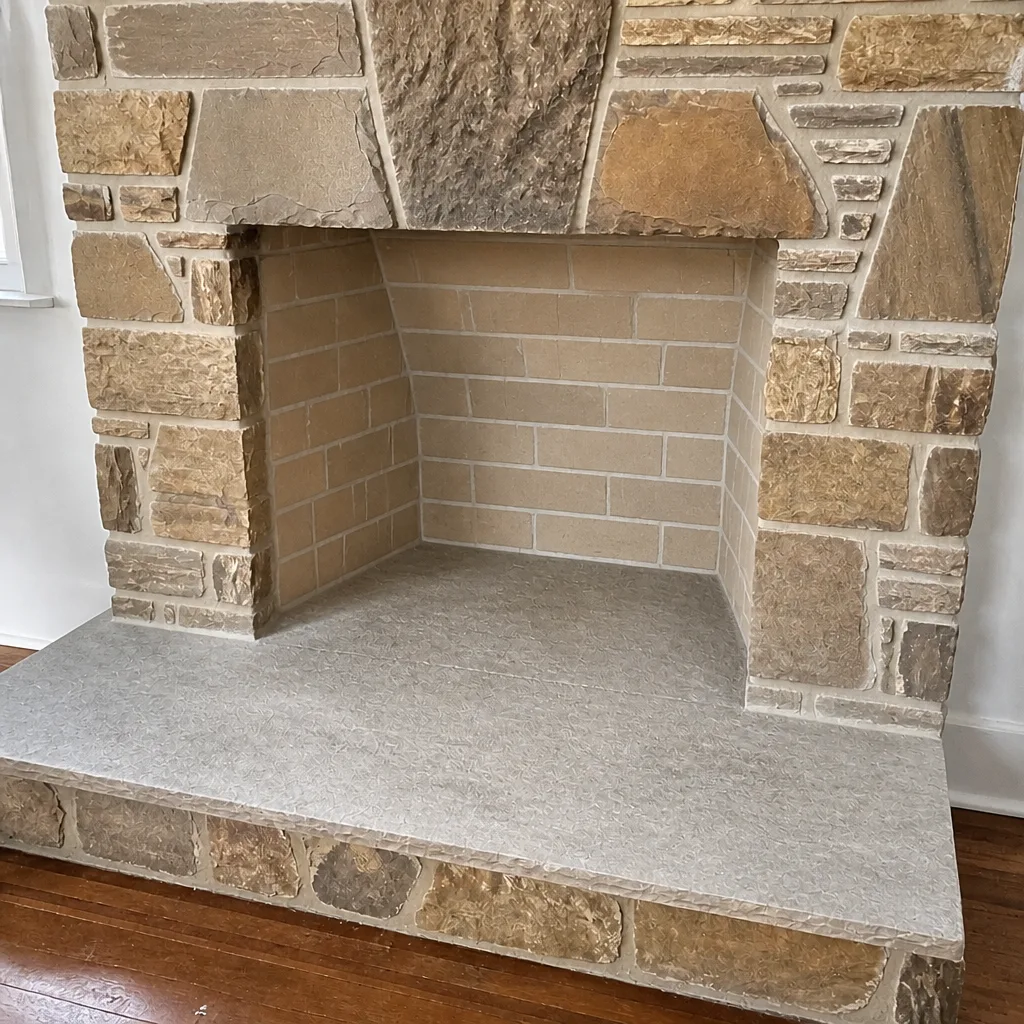
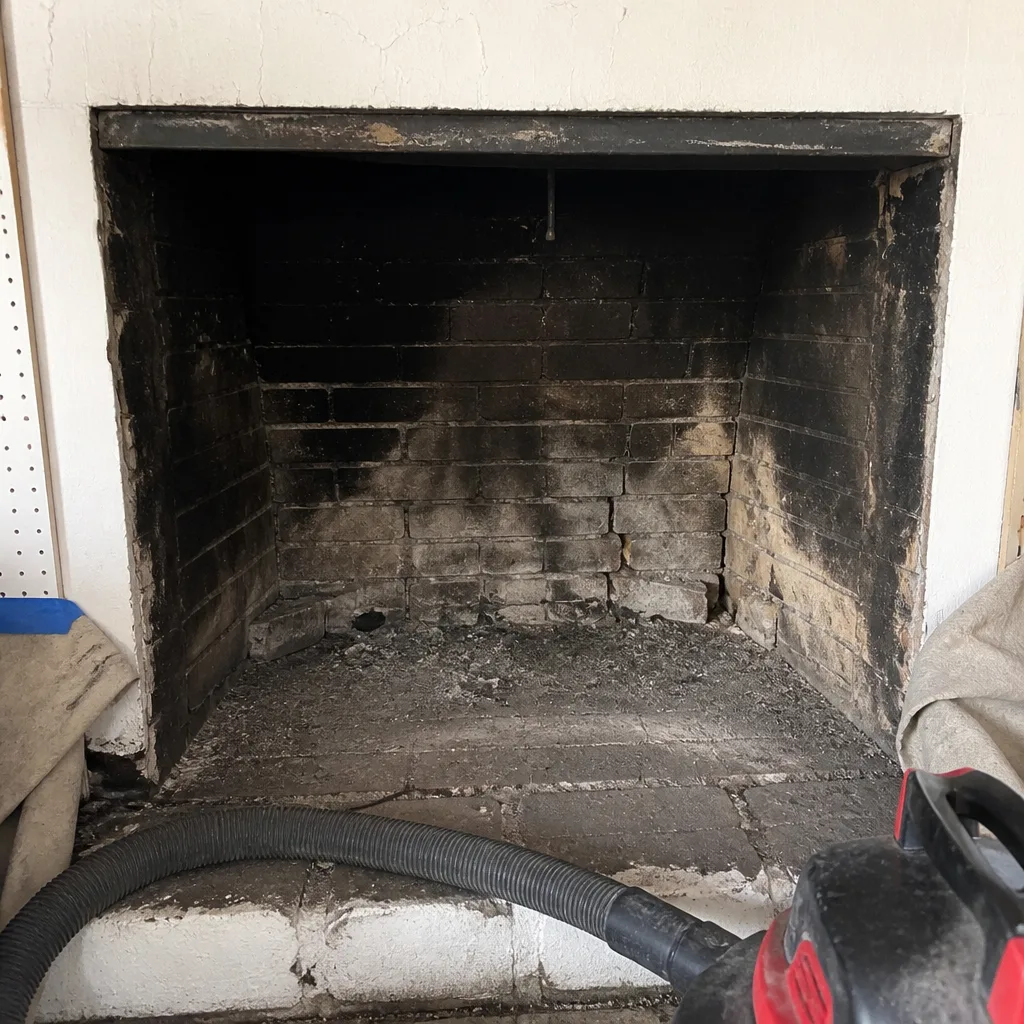 Before
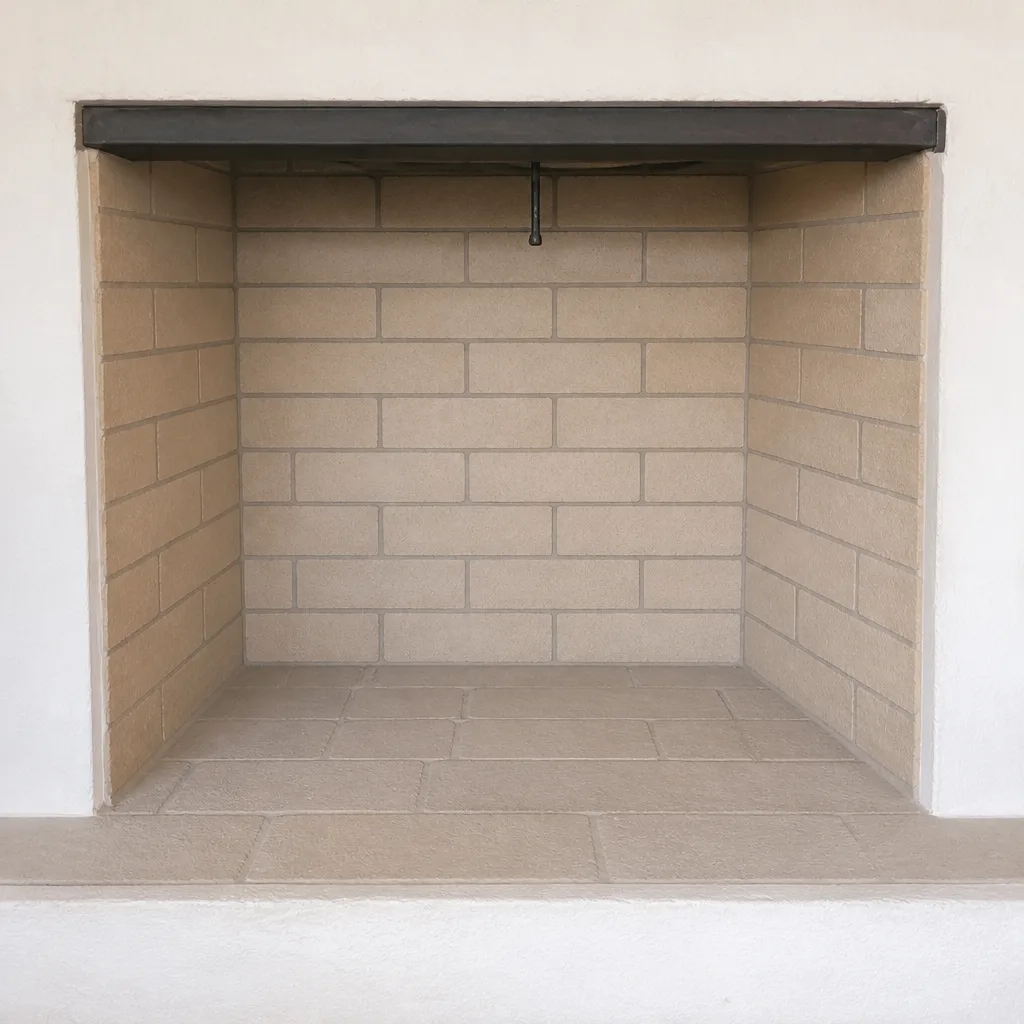 After
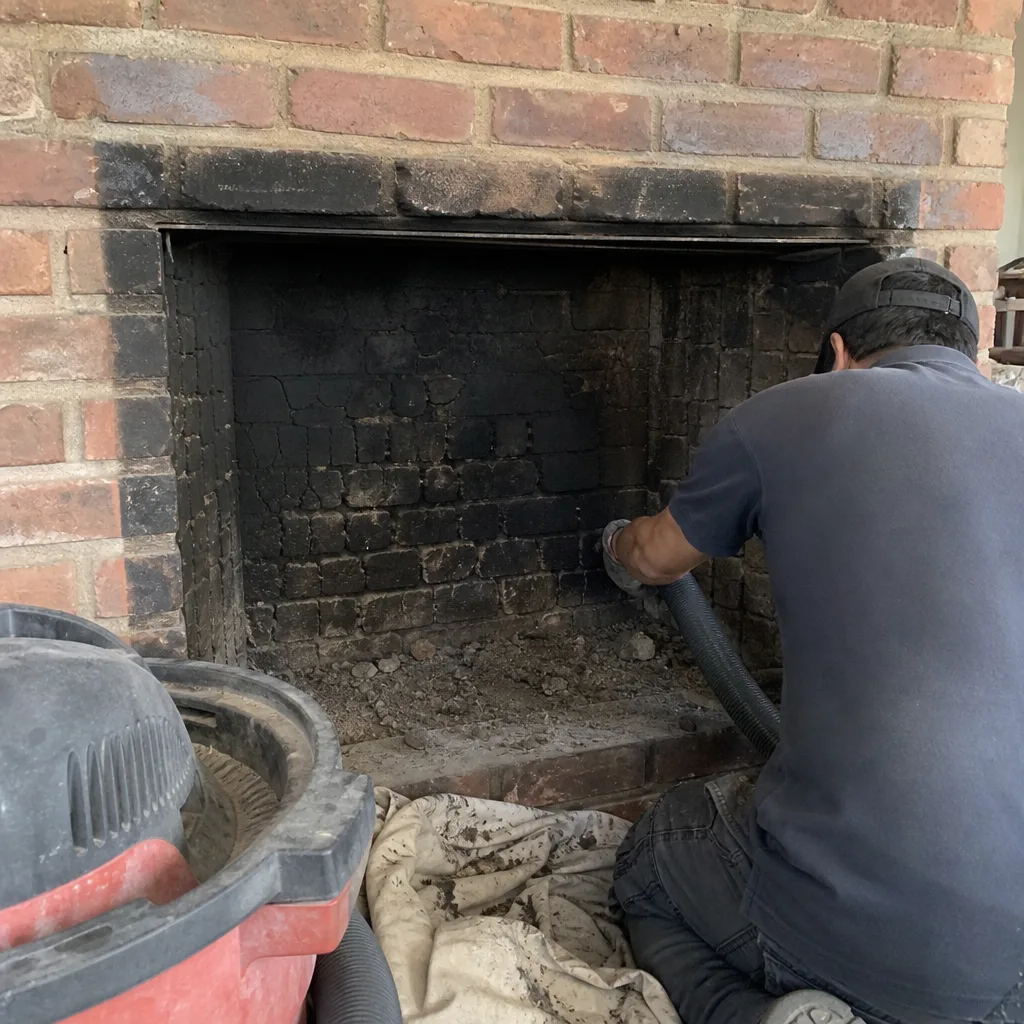
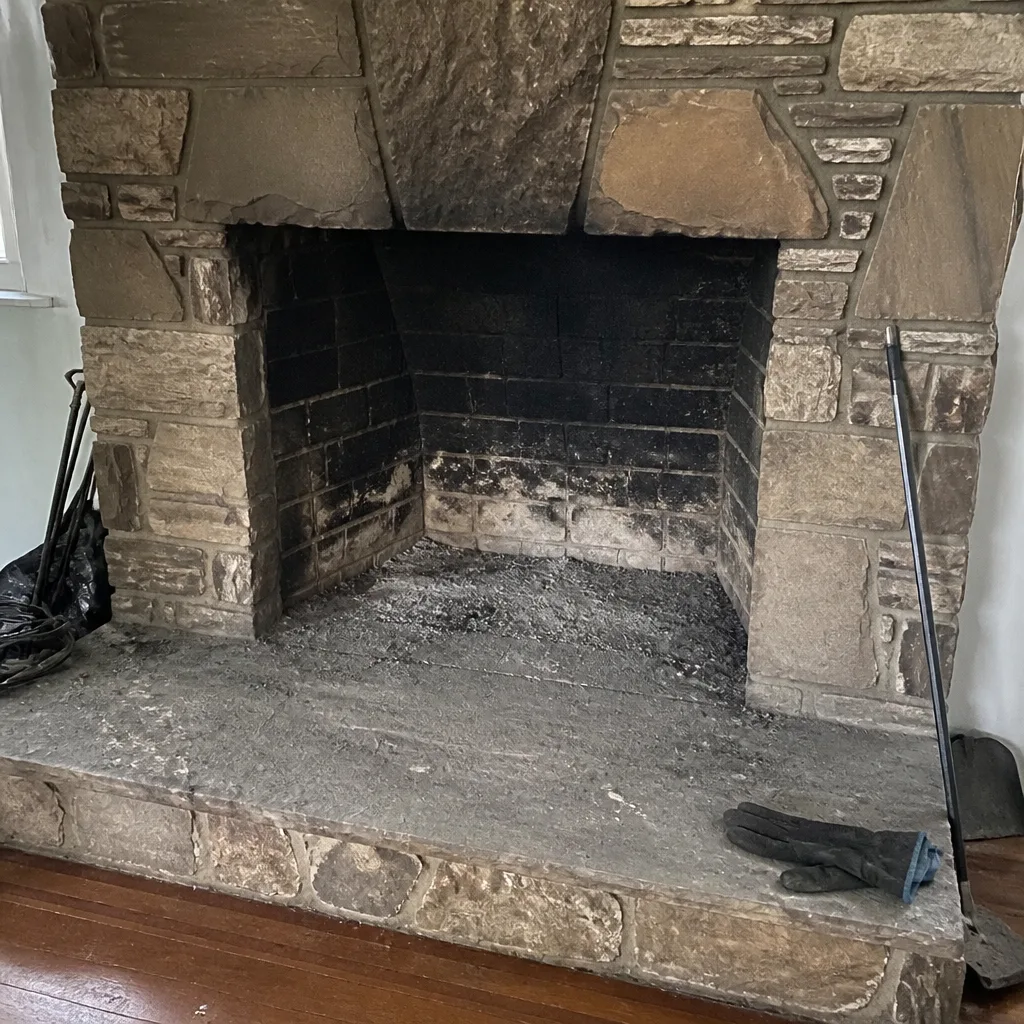 Before
 After
 Before
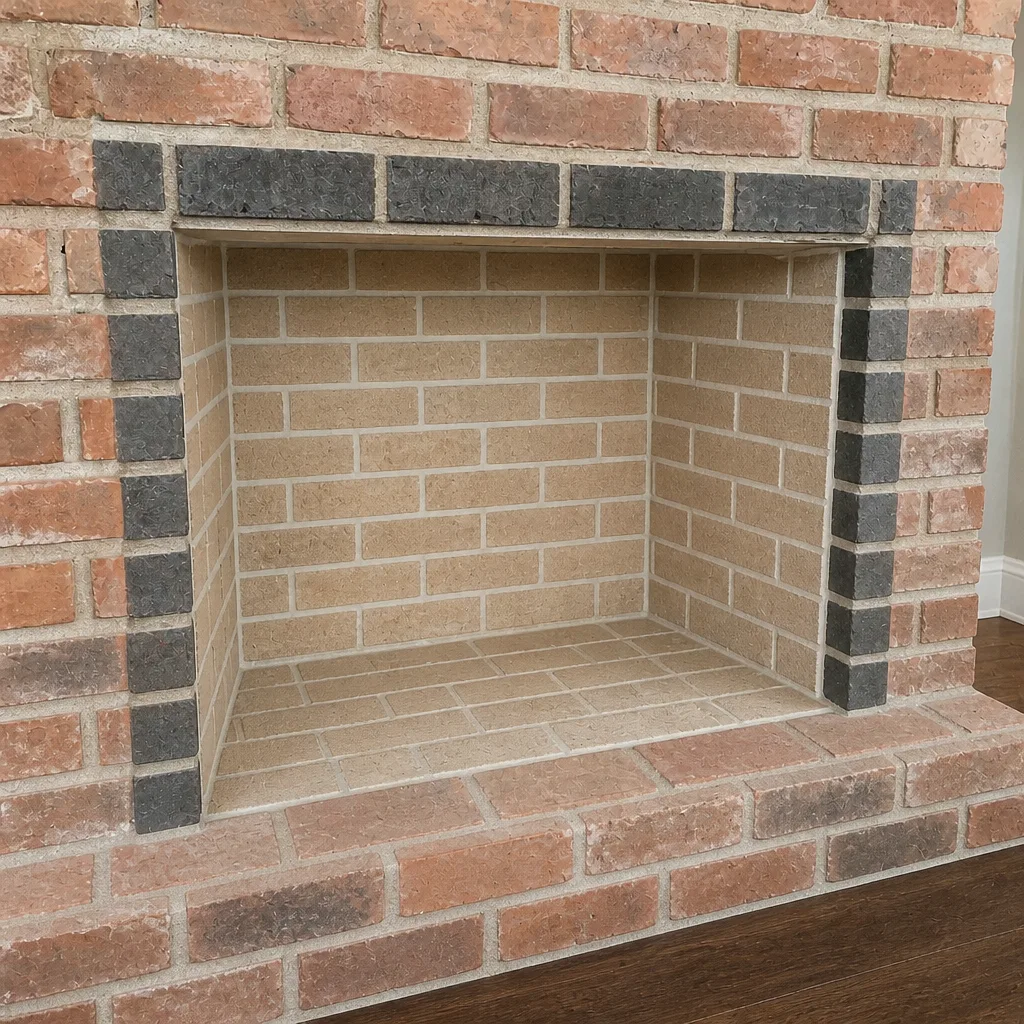 After
When to Call a Professional
Call when smoke spills into the room on more than one lighting, when you smell creosote in warm weather, when you see water stains or rust near the firebox, or when your damper no longer seals. Those are all signs that the diagnosis is bigger than a sweep can handle and that a Level 2 inspection with camera evidence is the next step. Do not open up a firebox or the interior of a flue yourself; the liner materials and the firebox framing are parts of the system that a trained technician handles with the right tools and the right documentation. Chimney Sweep Mar Vista offers free estimates in Mar Vista, and our technicians have up to 12 years of experience across sweeping, cap and crown work, fireplace repair, chimney repair, and inspections. We handle chimney cap & crown work with Olympia Chimney and Famco caps, fireplace repair for damper and firebox problems, and liner restoration with HeatShield where the liner can be saved. Call (855) 337-2073 for an exact quote; estimates are free.
Frequently Asked Questions
A routine chimney sweep in Mar Vista is typically an estimate in the low hundreds for a standard single-flue fireplace, and the price is set per job by the written estimate before any work begins. The estimate should cover the sweep itself, and if you need a cap or a crown looked at during the same visit, that’s a separate line item rather than a surprise. Call (855) 337-2073 for an exact quote; estimates are free.
Not always. Many liners that look seriously damaged on the surface can be restored with HeatShield instead of replaced with a full DuraFlex reline. The difference is whether the liner structure is intact under the surface. A camera inspection shows you exactly what’s happening, and the report gives you a way to decide without taking anyone’s word for it. If the liner can wait, we say so. Call (855) 337-2073 for an exact quote; estimates are free.
For most wood-burning fireplaces, a sweep once a year, ideally before the burn season, keeps creosote from building up to a level that matters. Gas fireplaces need less frequent sweeping, and a chimney that hasn’t been used at all should still be inspected occasionally. In Mar Vista’s mild winters, light fires leave deposits that don’t burn off the way they do in colder climates, so don’t skip the annual sweep just because the fire is small. Call (855) 337-2073 for an exact quote; estimates are free.
The smell is almost always creosote reacting to warm weather. Creosote softens on hot days and the smell drifts back down the flue into the house. A sweep with a chemical treatment on the flue walls removes it, and the difference between a smoky smell and a damp or metallic one tells you whether moisture from a cracked crown is involved as well. Call (855) 337-2073 for an exact quote; estimates are free.
Creosote builds up on the flue walls, and the thicker it gets, the more of a fire hazard it becomes. The specific risk is a chimney fire, which can damage the liner and the surrounding structure before you know it’s happening. Skipping a season once is not the same as skipping it repeatedly, and a technician can tell you from a camera inspection what your flue actually looks like rather than what it might. Call (855) 337-2073 for an exact quote; estimates are free.
Sometimes. Smoke spillback caused by a clogged flue can be resolved with a sweep, and a wrong-sized cap can be corrected at the same time if the cap is available. Spillback caused by pressure or geometry needs a Level 2 inspection before a repair, and that’s often a separate, scheduled visit. We answer 24/7. A call outside dispatch hours is booked into the next opening, Sunday through Friday, 7am to 7pm. Call (855) 337-2073 for an exact quote; estimates are free.
The Bottom Line
Most of the chimney trouble we see in Mar Vista isn’t a mystery: it’s a symptom that points to one component out of four, and the fix depends on which one. Smoke spillback usually means draft, pressure, cap, or flue geometry, not soot. The summer smell is usually creosote, unless you also see rust or water stains, in which case it’s moisture from a crown or cap. A sweep cleans. A Level 2 inspection documents. A repair corrects the crown, the cap, the damper, or the liner itself. Match the symptom to the component before you call, and the service call starts with real data. We handle the full chimney system here, not just the sweep, with DuraFlex, HeatShield, Olympia Chimney, Famco, Copperfield, and Gelco as our product lines. Call (855) 337-2073 for a free estimate. We answer 24/7, with fast dispatch from 7am to 7pm, Sunday through Friday.
Written by the team at Chimney Sweep Mar Vista.