
Last updated November 22, 2026
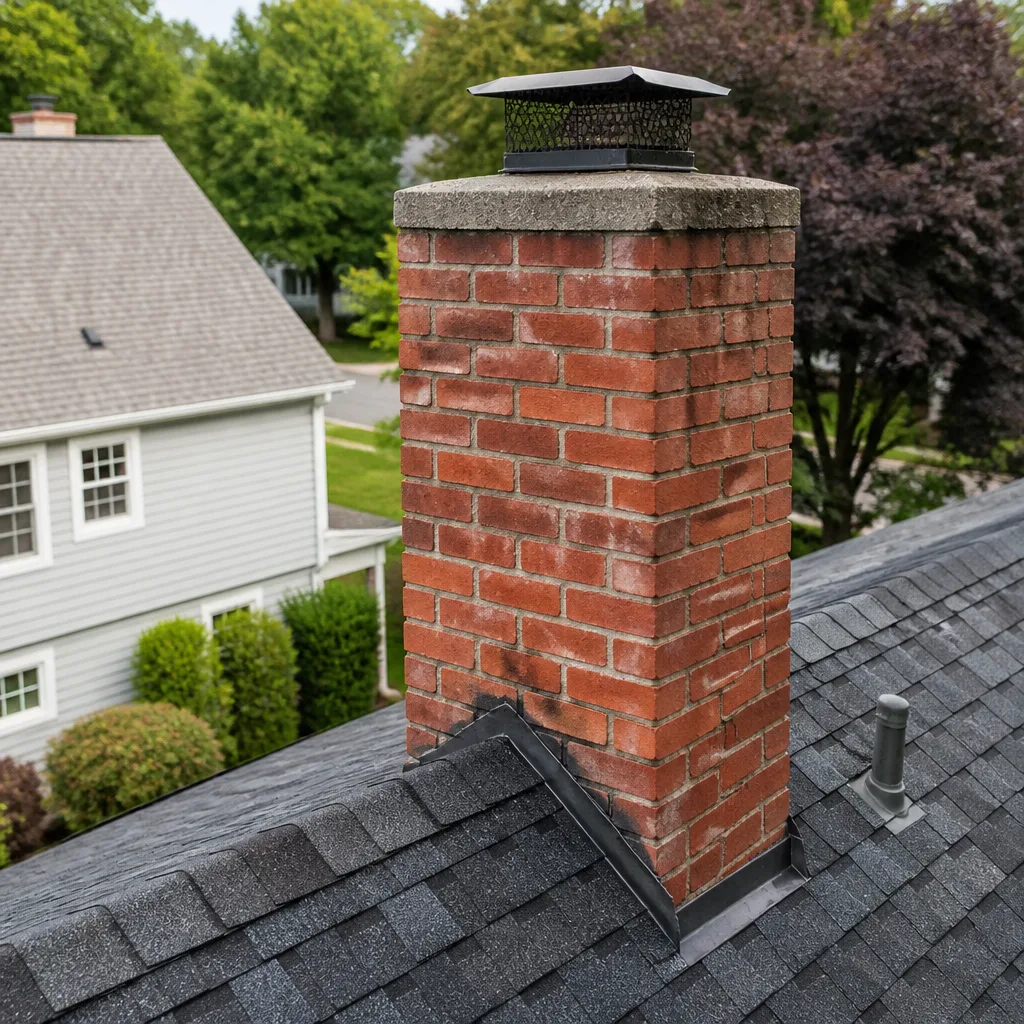 Sweep & inspection
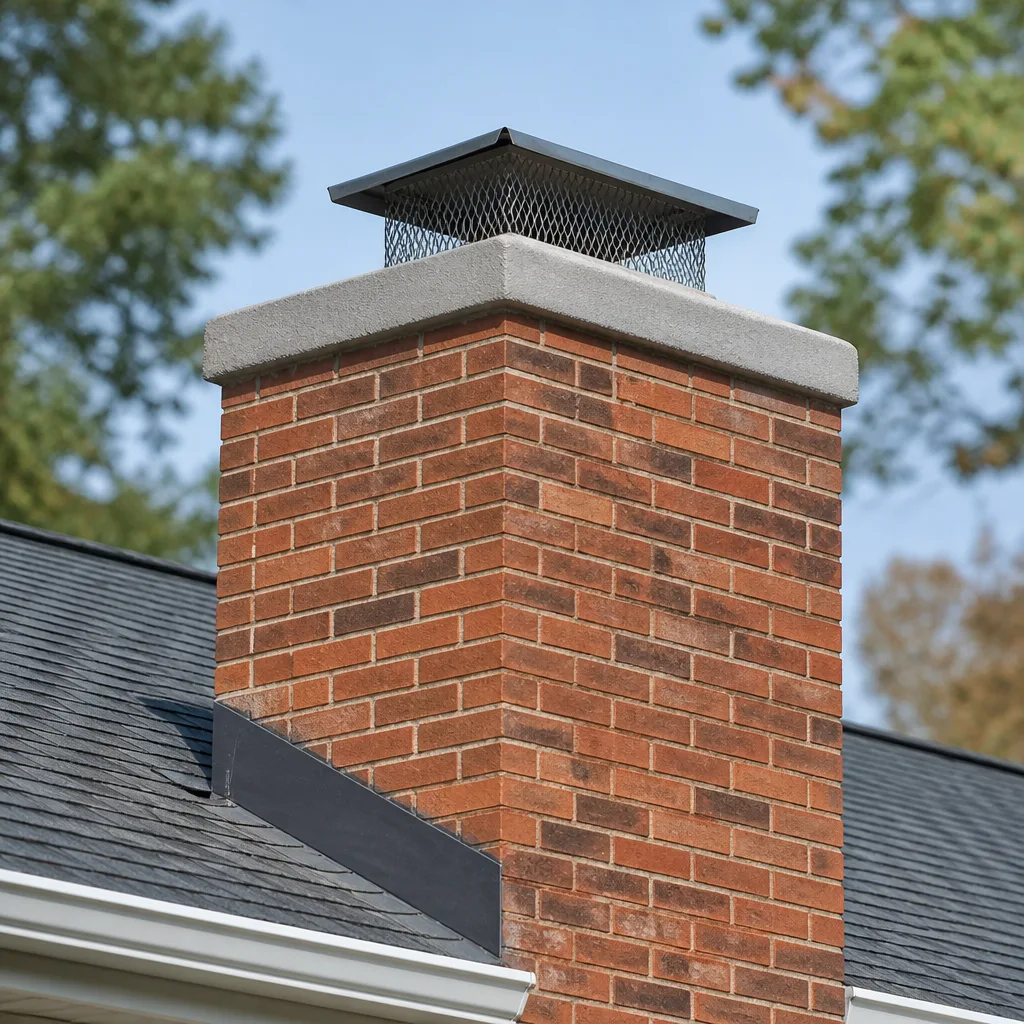 Caps & crowns
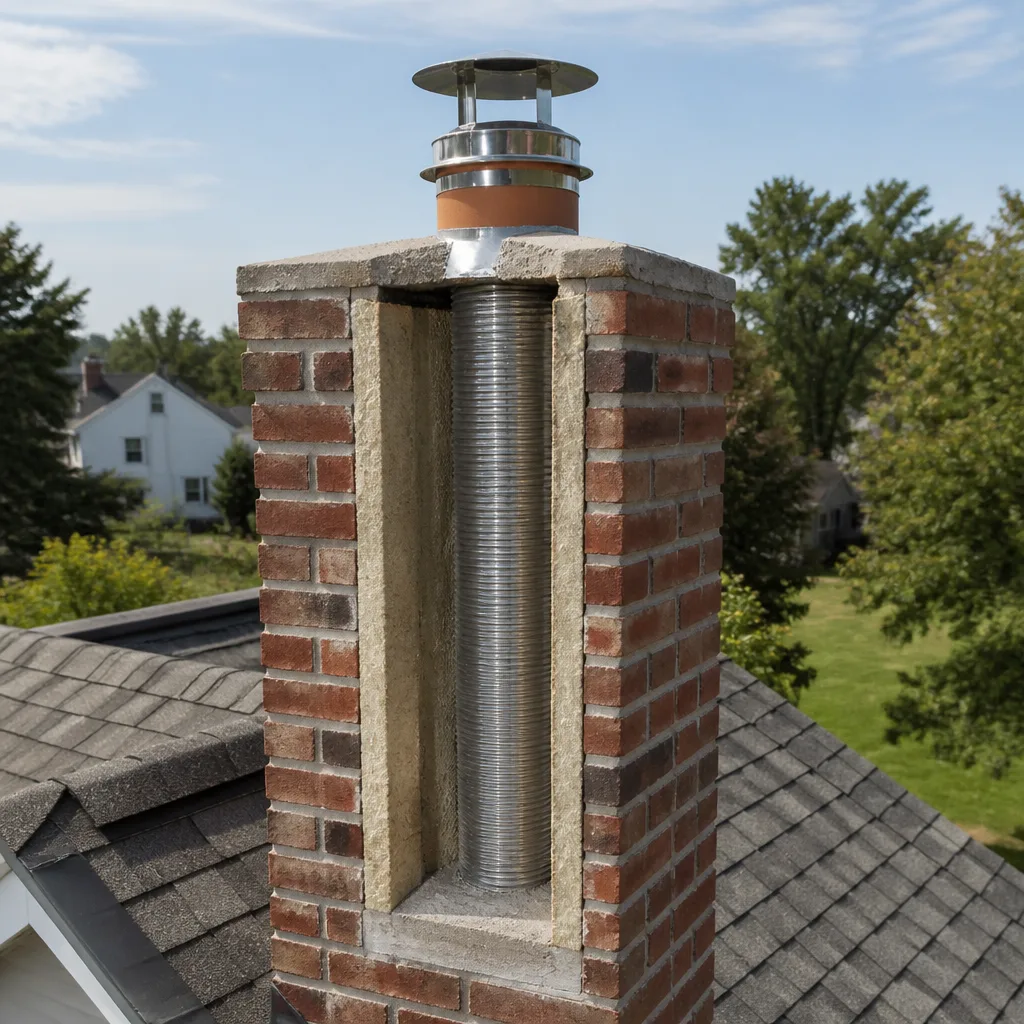 Flue relining
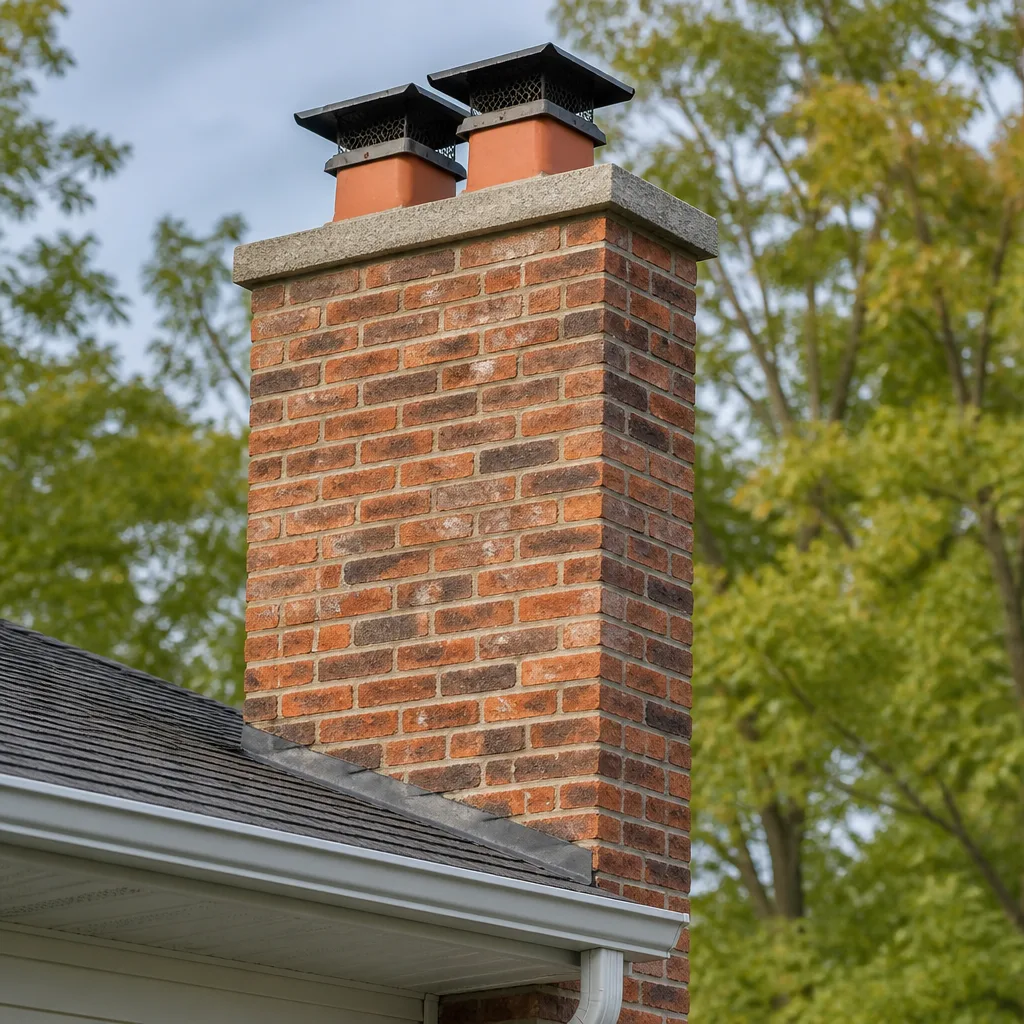 Masonry repair
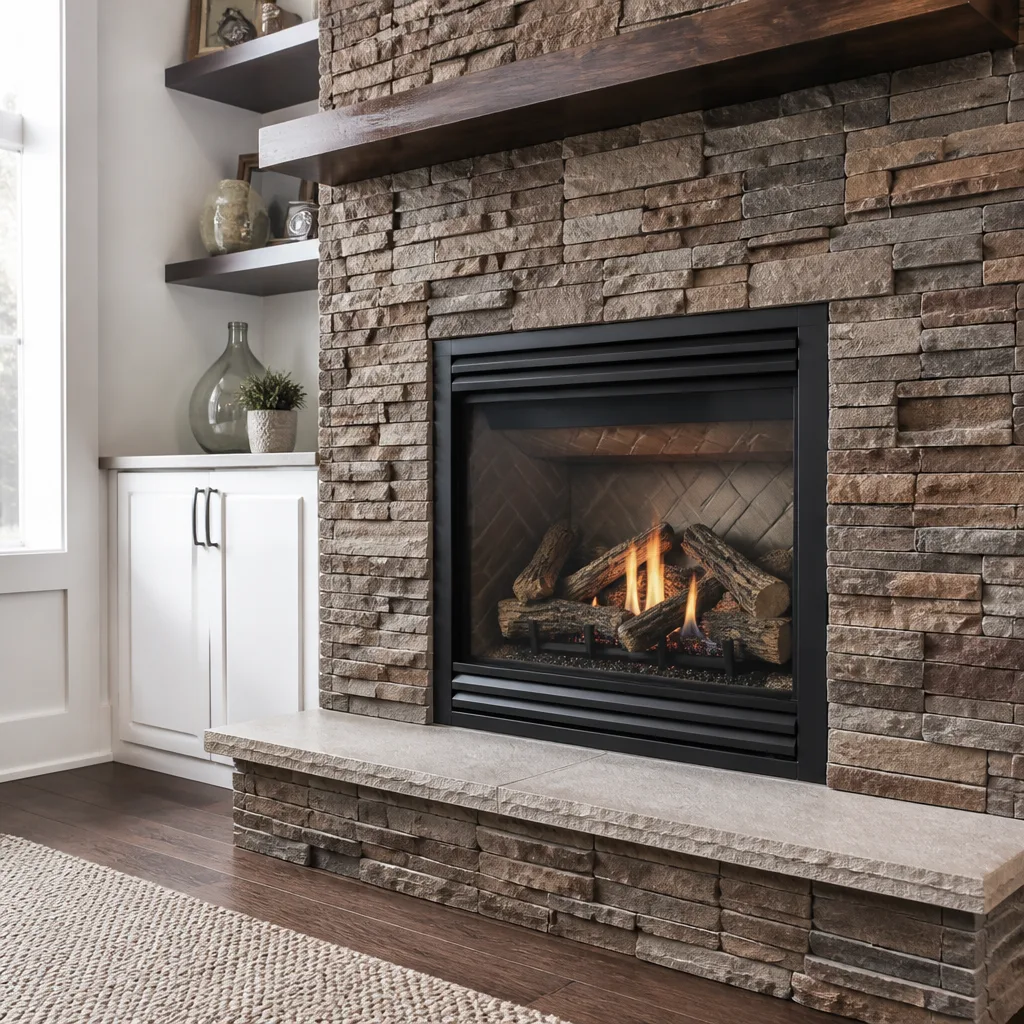 Gas fireplace service
Level 1 sweep and inspection to the NFPA 211 annual standard - flue, crown, cap, and flashing checked and photographed
Chimney sweep logs do not sweep chimneys. They loosen some creosote - which then falls where a brush and vacuum still have to collect it.
Chimney Cleaning Warning Signs: A Mar Vista Homeowner’s Reference Guide
A strong fireplace smell on a hot September afternoon with no fire burning isn’t an “old house quirk.” It’s negative pressure pulling creosote-laden air back down through a system that likely hasn’t been swept since before last season. Most Mar Vista homeowners expect a chimney problem to announce itself with smoke or a visible crack. In our experience, the first signals are quieter: an odor they blame on the weather, a stain they read as a plumbing leak, a draft they write off as poor window sealing. This guide connects each visible symptom to the specific underlying condition, so nothing gets misdiagnosed and no repair gets sold to you that you can’t verify for yourself.
Quick Answer
The main warning signs that a Mar Vista chimney needs cleaning are a persistent smoky or creosote odor when the fireplace is idle, dark staining at the firebox or along the exterior chase, white powder (efflorescence) on brick, smoke rolling into the room instead of drawing up, and visible cap or mortar damage seen from the ground. Any one of them means it’s worth a professional look. A strong smell plus smoke backing into the room together is the one combination that should stop you from lighting another fire until someone inspects the flue.
Styles & brands we work with
- Sweep & inspection
- Caps & crowns
- Flue relining
- Masonry repair
- Gas fireplace service
Table of Contents
- What the Smell Is Telling You: Odor Diagnostics
- Visual Signals at the Firebox: Staining, Efflorescence, and Spalling
- Draft and Smoke Behavior: Tracing the Symptom Back to the Cause
- Exterior Indicators You Can Check From the Ground
- The One Symptom That Means Stop Using the Fireplace
- How Creosote Buildup Stages Show Up as Symptoms
- Why Mar Vista Homes Show These Signs Differently
- What a Professional Inspection Actually Covers
What the Smell Is Telling You: Odor Diagnostics
Smell is the earliest warning sign most people notice and the one most often misread. Three distinct odors point to three different problems, and treating one as another wastes money. Here’s how to tell them apart.
Creosote odor
A sharp, tarry, campfire-like smell that gets stronger in warm weather and after rain is creosote. When the outside air is warmer than the flue, the house acts like a reversed chimney: air flows down the flue instead of up it, carrying the residue smell into living space. This is a buildup signal, not a weather problem. It typically means deposits have accumulated to a point worth sweeping, and until the flue is cleaned, the smell will keep returning every warm spell.
Animal intrusion odor
A musky, ammonia-like, or distinctly “wild” smell, often with scratching or fluttering sounds, points to birds, squirrels, or raccoons that got past a damaged or missing cap. Mar Vista’s tree cover and mild climate keep wildlife active through much of the year, so an uncapped flue is an open door. Beyond the smell, nesting material is combustible and blocks the flue. This one calls for both a sweep and a proper cap, and it’s the reason we fit brands like Olympia Chimney and Famco caps, so the product selection and the install happen in one visit instead of a quote-then-order process.
Moisture and mold odor
A damp, musty, basement-like smell suggests water is getting into the system, not combustion residue. That usually means a failing crown, a cracked cap, or deteriorated flashing letting rain in, and the moisture then feeds mold on the masonry and rusts the damper. This odor won’t clear with a sweep. It needs the entry point found and closed, then the affected masonry assessed.
If you can’t pin down which smell you’re dealing with, that’s normal. A technician can tell the difference in minutes, and it changes what the job actually is. This is also why a formal inspection is worth booking as its own service; you get documentation of what’s happening rather than a guess. Chimney Sweep Mar Vista handles the full system, so an odor complaint leads to the right fix in one visit.
Visual Signals at the Firebox: Staining, Efflorescence, and Spalling
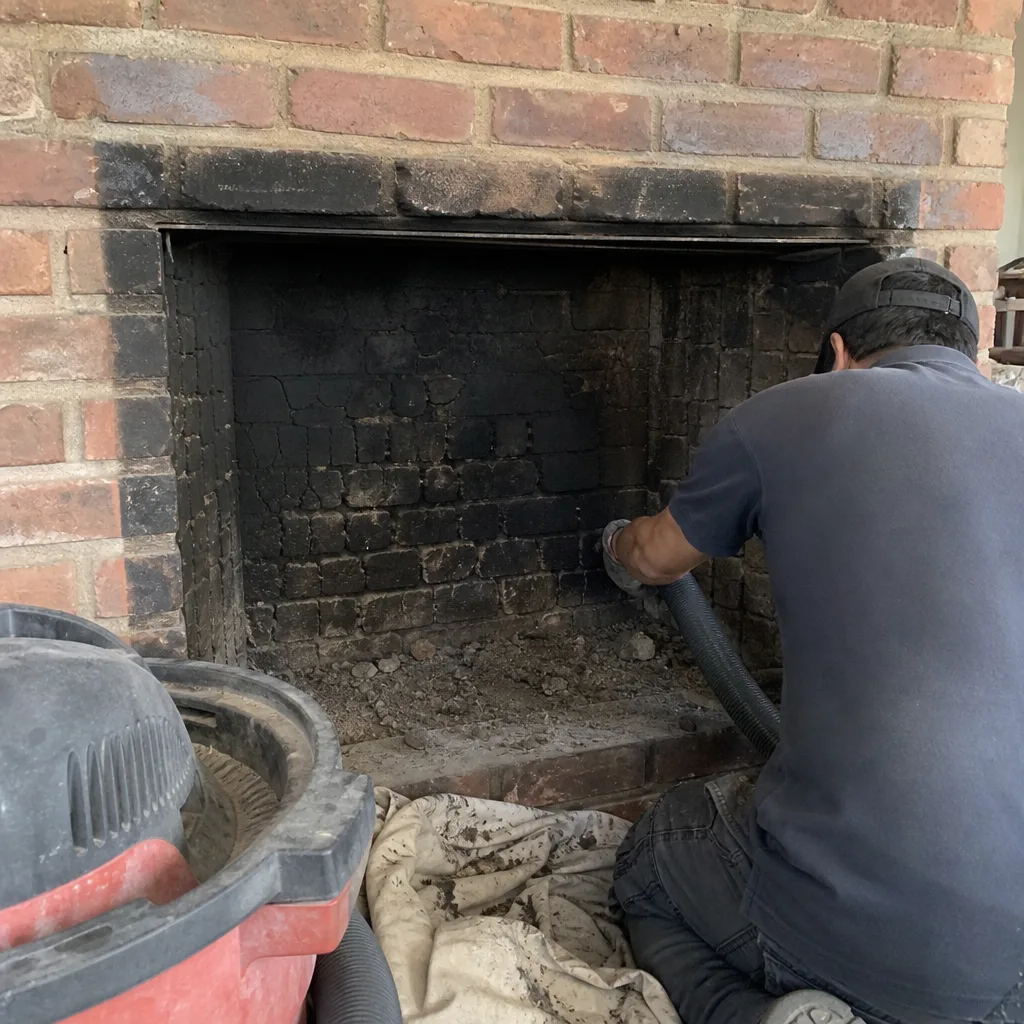
Look inside your firebox and at the brick around it. The pattern of staining tells you whether you’re dealing with water or with combustion. Homeowners often assume every mark is soot. It usually isn’t.
- Uniform black soot on the firebox walls is normal and expected from wood burning. Heavy, oily soot that’s glossy and thick suggests incomplete combustion or a flue that isn’t drawing well.
- White, powdery deposits (efflorescence) on brick or mortar are salts pushed to the surface by moisture moving through the masonry. That’s a water-penetration signal, not a burning signal. It often appears on the chimney breast indoors and on the exterior chase outdoors.
- Brown or rust-colored stains near the damper or the top of the firebox point to a rusting damper or moisture reaching metal components.
- Crumbling, flaking faces on the firebox brick (spalling) mean the masonry is breaking down, usually from repeated water exposure or intense heat. Spalled brick near the firebox is a structural concern, not a cosmetic one.
- Dark streaks running down from the top of the firebox opening can indicate smoke escaping the firebox before it draws, which ties back to draft problems.
The distinction matters because the fix is different. Water signals point to the crown, cap, and flashing. Combustion signals point to sweeping, draft, and liner condition. In our experience, a lot of unnecessary “you need a new firebox” recommendations come from reading a moisture stain as fire damage. Efflorescence, in particular, gets misdiagnosed constantly. It looks alarming and wipes away easily, which is exactly why it gets sold as a masonry emergency when the real issue is a crown letting water in.
When we look at a firebox, we separate water damage from heat damage before we recommend anything. If the masonry is sound but the firebox interior is worn, fireplace repair often restores function without a rebuild. If staining traces to water, the repair starts at the top of the chimney, not the bottom.
Draft and Smoke Behavior: Tracing the Symptom Back to the Cause
Smoke entering the room is the symptom homeowners call about most, and it has several possible causes. Working through them in order saves time and money. Each cause below matches a specific behavior.
- Smoke spills only when you first light the fire, then clears. This is often a cold-flue problem: the flue is filled with dense cold air that has to be pushed out before the fire draws. It’s common and usually manageable, but if it’s getting worse season over season, the flue may be partially blocked.
- Smoke rolls out steadily whenever the fire is burning. A blocked or undersized flue is the usual suspect. Nesting material, a failed cap screen, or heavy creosote can narrow the flue enough to reverse the draw. This is a stop-and-inspect signal.
- Smoke appears only on certain days, often warm or windy ones. That’s negative pressure. A bath fan, kitchen exhaust, or a second appliance competing for air can pull the chimney backward. It’s a house-pressure issue more than a chimney issue, but the chimney is where you see it.
- Smoke comes back down even with the fire burning well and no wind. Check the flue height and the liner condition. A flue that’s too short for the roofline, or a liner that’s cracked or disconnected, won’t draw reliably regardless of what you do at the firebox.
- Smoke plus a strong odor, even when no fire is lit. This combination points to a flue full of residue that’s reversing into the house. Stop using the fireplace and get it looked at.
Mar Vista’s housing stock includes a lot of older bungalows and mid-century homes, and many were built before modern flue-sizing practices. A short flue combined with a fireplace insert that was added later can create a chronic draft problem the previous owner simply lived with. When we assess draft, we check the liner, the cap, and the flue height together, because fixing one without the others rarely solves it. The full picture comes from an inspection with a camera, and that’s something you should be able to see for yourself on the report.
Exterior Indicators You Can Check From the Ground
You don’t need a ladder to spot the most common chimney problems. Stand back and look up. These exterior signs are the ones we most often hear about only after they’ve been ignored for a season.
- Cap damage. A missing, rusted-through, or animal-displaced cap lets water and wildlife straight into the flue. If the spark screen is torn or bent, the cap has likely been hit by a branch or simply aged out. Brands like Olympia Chimney and Famco exist for a reason: a cap that fits properly is the cheapest protection on the whole system.
- Staining down the chase. Vertical dark streaks or white efflorescence running down the outside face mean water is getting in somewhere up top and traveling through the masonry. Left alone, that path leads to spalling and eventually interior water damage.
- Deteriorated mortar joints. Crumbling, recessed, or sandy mortar between bricks is visible from the ground with a pair of binoculars. Joints that have receded are letting water into the wall of the chimney, and the fix is repointing before the brick itself fails.
- Crown cracks. The crown is the concrete cap on top of the chimney that sheds water away from the flue. Visible cracks, a crown pulling away from the flue, or a crown that’s clearly crumbling mean water has a direct path in.
- Tilt or lean. A chimney that visibly leans, or a gap where the chimney meets the roofline, is a structural concern worth an immediate look. This is not a weekend inspection item.
We work with professional-grade materials on the exterior: Gelco and Copperfield products for crown and masonry work, which hold up better than generic hardware-store alternatives. The point isn’t the brand name. It’s that a crown or cap repaired with the wrong material fails again in a couple of seasons, and you pay twice.
Exterior evaluation pairs naturally with a proper chimney cap & crown assessment, since so many drafts and water problems trace back to those two components. If you’re seeing staining on the chase, that’s the place to start.
The One Symptom That Means Stop Using the Fireplace
If smoke is reversing into the room and you can smell a strong creosote odor even when the fire is out, stop using the fireplace until it’s inspected. That combination is the one we treat as urgent above all others. Here’s why it shouldn’t be self-diagnosed.
A flue that’s both heavily loaded with creosote and not drawing properly is a flue where hot gases and residue are moving the wrong way. That’s a chimney fire risk and a carbon monoxide risk in the same system. Glossy, tar-like creosote is the most combustible stage of buildup, and it can ignite from a single hot fire. Carbon monoxide from a backdrafting flue is invisible and odorless, which is exactly why it isn’t something to reason out from the firebox yourself. This is a safety item, not a maintenance item.
We don’t say that to alarm anyone. We say it because the difference between “sweep it this month” and “stop now” is a real one, and it depends on things you can’t see from the hearth: the amount of creosote in the flue, the condition of the liner, and whether the cap is obstructed. A camera inspection shows all three. Our technicians have up to 12 years of experience reading exactly this, and the recommendation we make is backed by what the camera found, not by what we assume. You get the photo report and can see the same thing we do before agreeing to any work.
One more note on safety: if the fireplace is gas, and you smell gas rather than creosote, leave the house and call your gas utility. That’s outside the chimney scope and belongs to the utility.
How Creosote Buildup Stages Show Up as Symptoms
Creosote is the residue left behind when wood smoke cools on its way up the flue. It builds in stages, and each stage shows up as a different symptom and calls for a different response. Knowing the stages helps you understand what a sweep actually removes.
- Stage 1: light soot and flaky deposit. The earliest stage. It brushes off easily. Symptoms are mild: a faint smoky smell, slightly reduced draft. A routine sweep handles it.
- Stage 2: hardened, crusty deposits. Soot has condensed into a firmer layer that’s harder to remove. Symptoms include a more persistent smell and noticeable draft issues. A sweep with the right tools removes it, but it takes more work than stage 1.
- Stage 3: glossy, tar-like glaze. This is the most combustible stage. Symptoms are strong odor, poor draft, and visible shiny deposits if you can see them. At this stage a standard sweep is often not enough. Professional-grade chemistry is needed, and that’s where HeatShield comes in: the ceramic resurfacing system used by certified chimney specialists, and a less invasive, more cost-effective path than a full reline when the liner itself is still sound.
The reason this matters is that homeowners usually call based on the symptom (the smell, the draft) without knowing the stage. In our experience, a Mar Vista homeowner who sweeps on a normal schedule almost never reaches stage 3. The people who do are the ones who let a few seasons go by. Sweeping before each heating season is the whole game here. If you’re not sure when you last had a sweep, that uncertainty is itself a reason to book one. You can set up a chimney sweep and get the flue checked at the same time, and the technician will tell you which stage you’re in and whether any liner work is actually needed.
Why Mar Vista Homes Show These Signs Differently
Mar Vista’s climate shapes how chimney problems develop here. Our winters are mild, which sounds reassuring but actually changes the risk profile in a specific way.
Because winters are gentle, people burn less intensely and more intermittently. A fire lit for a few hours and then let die slowly produces more creosote than a fire that burns hot and clean. Cooler, slower smoke deposits more residue on the flue walls. That means a Mar Vista chimney can accumulate a meaningful layer of creosote across a season even if it doesn’t feel like it “got a lot of use.” A homeowner who lit the fireplace a dozen times over the winter can still need a sweep.
The warm, dry months create the reverse problem. When the outside temperature climbs above the indoor temperature, the chimney flue reverses and pulls air (and odor) down into the house. That’s why so many odor complaints come in during warm weather, not winter. It’s the house physics at work, and it doesn’t mean the chimney is broken. It means the flue has residue that’s now being smelled from the living room.
Our older housing stock is a factor too. Many homes here were built before modern flue sizing, and a fair number have fireplaces that were updated with inserts at some point. A mismatched flue and appliance is a common cause of chronic draft issues that show up as “the fireplace has always been finicky.” We look at the system as a whole, both the firebox and the flue, rather than treating one symptom in isolation.
If you’re buying or selling a home in Mar Vista, an inspection during the transaction is worth scheduling early. Buyers and sellers both end up with documentation that answers the chimney questions before they become negotiation items. That’s what a standalone, documented inspection is for.
What a Professional Inspection Actually Covers
An inspection is not the same as a cleaning, and it’s worth knowing what you’re getting before you book. A proper chimney inspection with a camera covers the following, in roughly this order.
- Exterior assessment from the ground and roofline. Cap condition, crown, flashing, mortar joints, and the chase surface. This is where water entry points usually show up.
- Firebox and damper evaluation. Staining patterns, efflorescence, spalling, and whether the damper opens and closes properly.
- Flue inspection with a camera. The camera goes down the flue and shows what’s actually there: creosote stage, liner condition, blockages, and cracks. This is the part that turns “you need work” into something you can verify.
- Photo report. A documented record of what was found. We include the camera record so nothing is a mystery. This is also the document that serves for insurance, real estate, or your own records.
We do standalone inspections, separate from a cleaning appointment, for exactly the reasons people need them: a real estate transaction, an insurance requirement, or a second opinion after another service told them they need thousands of dollars of work. If someone tells you your chimney needs liner replacement, you’re entitled to see the evidence. A camera report gives you that. And sometimes the honest answer is that the work can safely wait, which is a legitimate outcome of an inspection too.
If the inspection does find liner damage, we use DuraFlex liner systems and HeatShield for restoration. We handle the full chimney system, so the diagnosis and the repair happen under one company. No second contractor, no runaround.
Common Mistakes to Avoid
- Reading a smoky smell in warm weather as normal. A fireplace that smells strongly when nothing is burning has residue in the flue, and it’s a signal to sweep, not a seasonal quirk.
- Blaming a stain on the plumbing. Dark or white staining on the chimney breast is usually a chimney-side water issue, not a roof leak. Getting it misdiagnosed sends you to the wrong trade.
- Assuming a cracked cap can wait till spring. Water and wildlife get in through a broken cap all season, and an uncapped flue in Mar Vista fills with nesting material fast. Replace it before it causes a flue blockage.
- Buying a sweep on price alone. A sweep that only brushes is not a sweep that inspects. Ask whether you’ll get a camera check and a photo report.
- Accepting a major repair recommendation without seeing evidence. If someone says you need a new liner, ask to see the camera footage. A legitimate provider will show it to you.
- Letting exterior mortar crumble because it looks cosmetic. Receded joints let water into the chimney wall. Repointing early is far cheaper than rebuilding a spalled chimney later.
- Lighting a fire before a first-season check in a home you just bought. A new-to-you fireplace is an unknown system, and the previous owner’s habits aren’t something you can see. Book an inspection before the first fire.
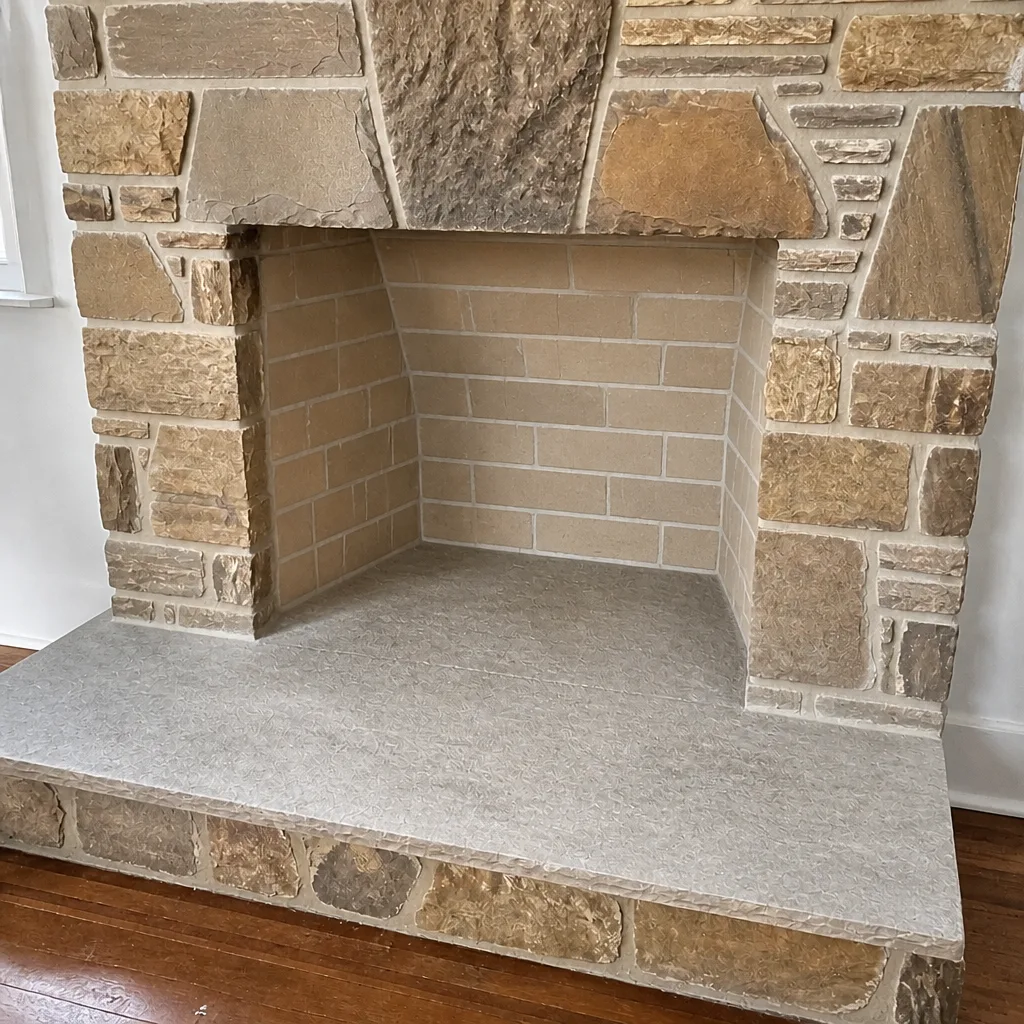
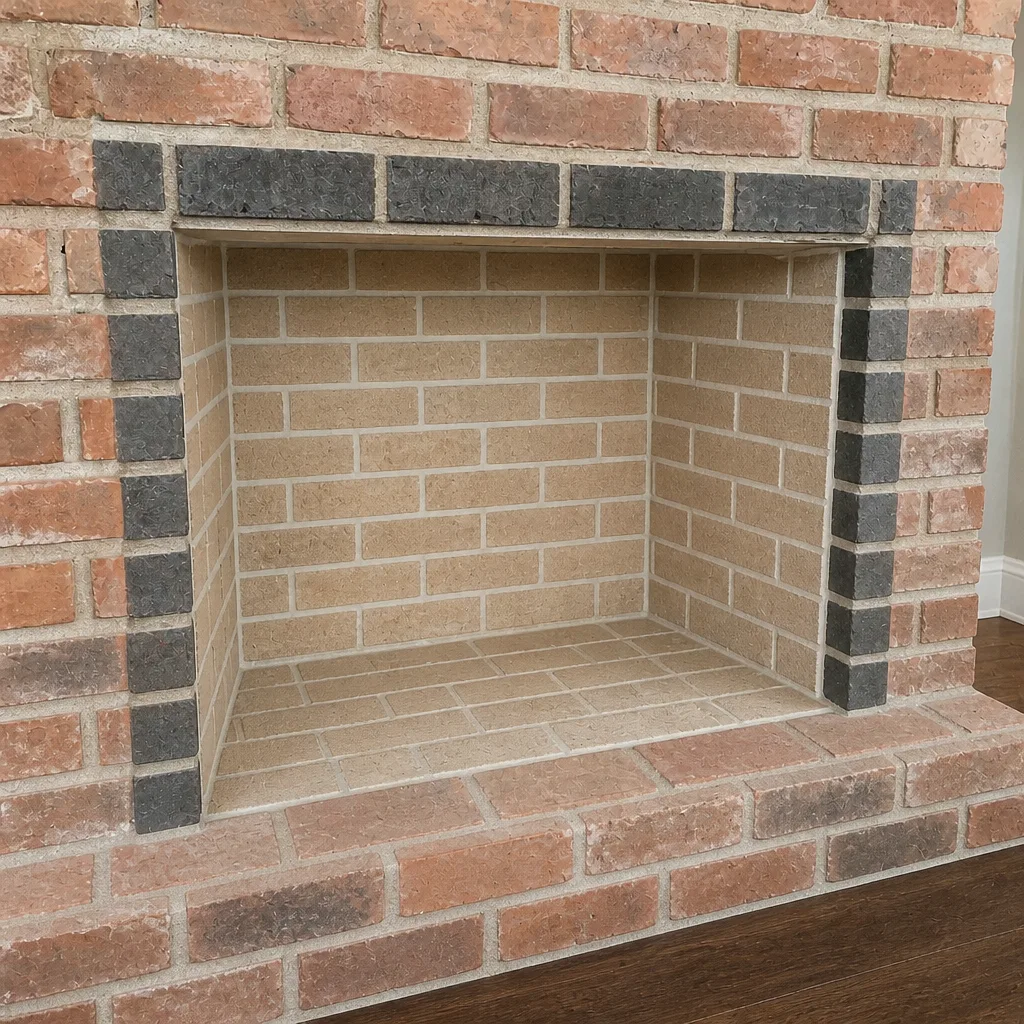
See the difference
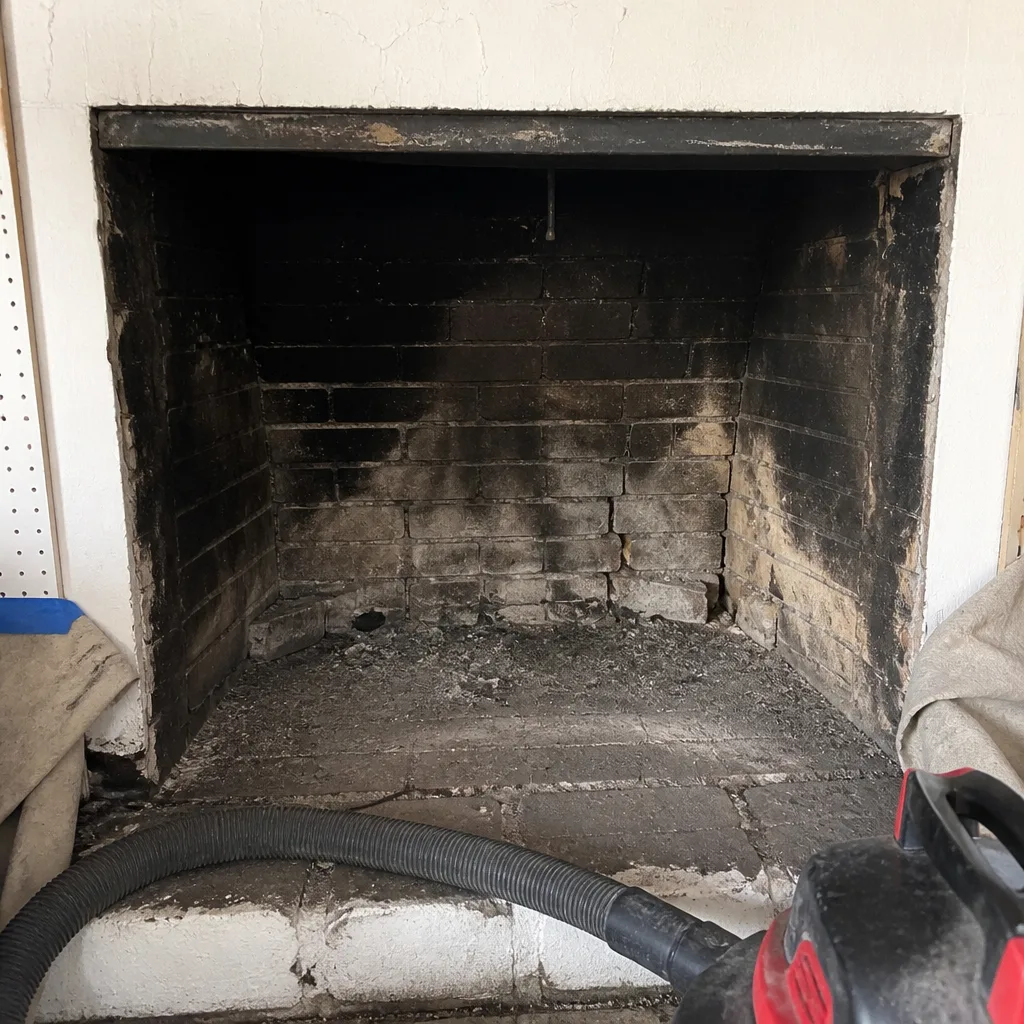 Before
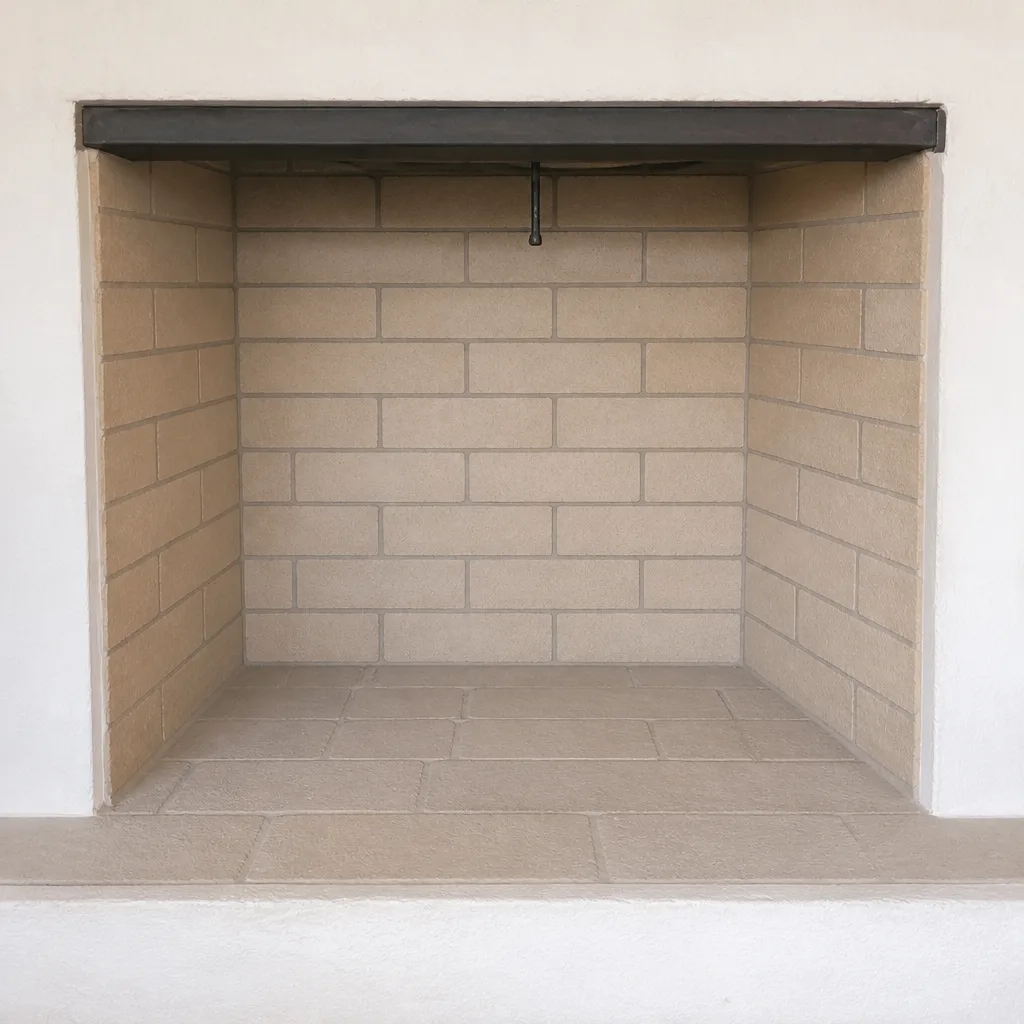 After
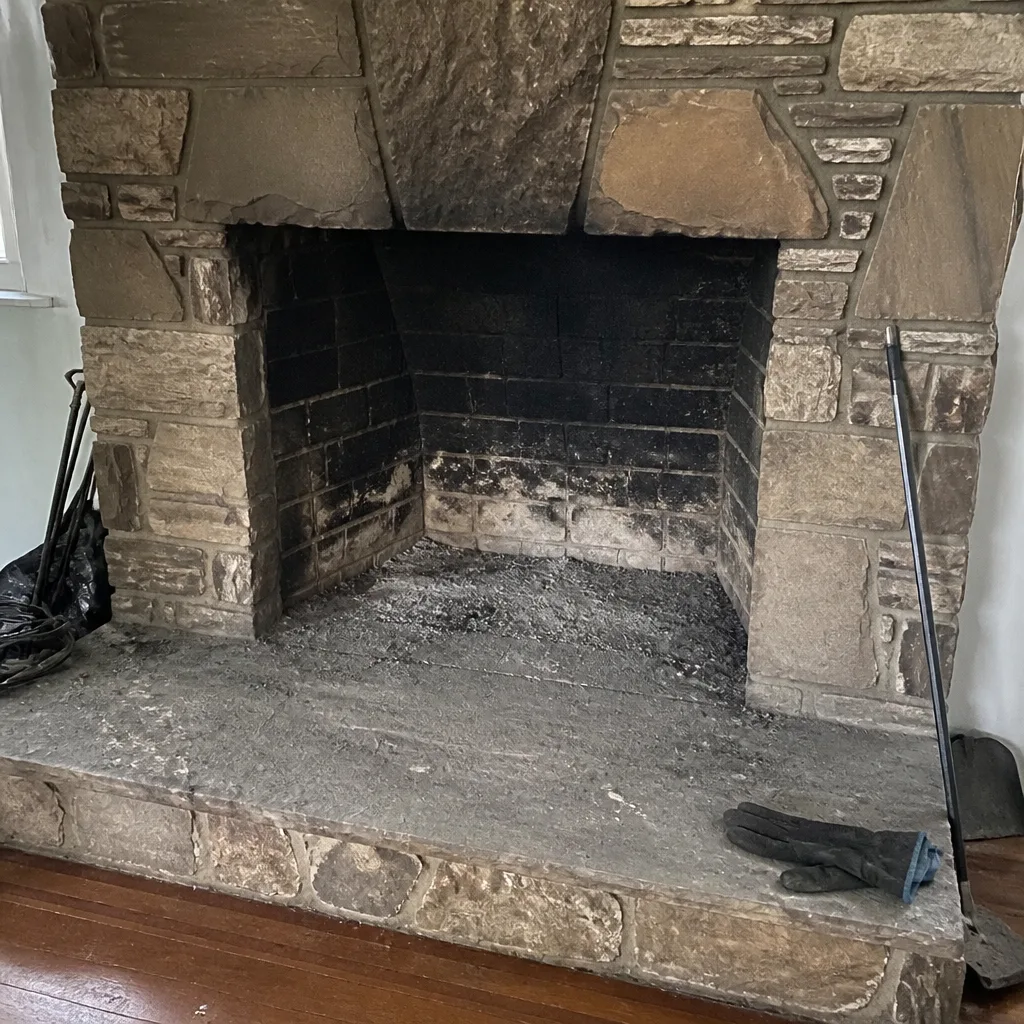 Before
 After
 Before
 After
When to Call a Professional
Call a professional if the fireplace smells strongly when nothing is burning, if smoke rolls into the room with the damper open, if you see white powder or crumbling brick at the firebox, or if the exterior cap or crown is visibly damaged. Also call if you can’t remember the last time the chimney was swept, if you just bought the home, or if you’ve been told by another service that the chimney “needs work” and you want a second opinion with a camera record. These are jobs for a specialist, not a general handyman. Chimney Sweep Mar Vista offers free estimates in Mar Vista. Call (855) 337-2073. We answer 24/7. Fast dispatch from 7am to 7pm, Sunday through Friday.
Frequently Asked Questions
A strong creosote smell when the fireplace is not burning is the most reliable early sign. It means residue has built up in the flue to the point that warm weather is pulling the smell back into the house. The second most reliable sign is smoke backing into the room while a fire is burning. Either one calls for a sweep. Call (855) 337-2073 for a free estimate.
Warm outside air reverses the chimney’s draw, pulling air and creosote odor down into the living space. It’s the house pressure at work, not a new problem, but it does mean the flue has residue worth sweeping. This gets worse every season you skip, so the fix is a cleaning rather than waiting for cooler weather.
You can check the cap, mortar joints, crown cracks, and chase staining from the ground using binoculars, and you can look at the firebox inside. What you can’t check yourself is the interior of the flue, and that’s where the most important conditions hide. A camera inspection is what answers the real question, and it’s worth scheduling rather than reaching for a ladder. Call (855) 337-2073 for a free estimate.
Efflorescence is white salt pushed to the surface by water in the masonry; soot is black combustion residue from the fire. They matter because they lead to opposite fixes: water signals point to the crown, cap, and flashing, and soot signals point to sweeping and draft. Mar Vista’s older housing stock shows efflorescence often, and it gets misread as fire damage all the time. An inspection with photos shows you which it is.
Sweep before each heating season, and more often if you burn frequently or notice any odor or draft symptom. Because Mar Vista winters are mild, people often burn less intensely, which actually deposits more creosote per fire. That makes an annual sweep the sensible baseline. Call (855) 337-2073 for a free estimate.
Yes, if you haven’t been shown the evidence. A liner recommendation should come with camera footage of the actual damage. Sometimes liner restoration with HeatShield is the right fix instead of a full reline, and sometimes the liner is fine and the problem is elsewhere. A standalone inspection with a photo report tells you definitively. Call (855) 337-2073 for a free estimate.
The Bottom Line
The warning signs of a chimney that needs attention rarely look like chimney problems at first. They look like a smell you blame on the weather, a stain you blame on the roof, or a draft you blame on the windows. Connect each symptom to its underlying cause and the right fix becomes clear. In Mar Vista, the mild winters mean less intense burning and more creosote, and warm-season odor is the signal to sweep. A camera inspection with a photo report is the way to verify any recommendation before you pay for it. If anything on this list sounds familiar, call (855) 337-2073. We answer 24/7. Fast dispatch from 7am to 7pm, Sunday through Friday.
Written by the team at Chimney Sweep Mar Vista.