
Last updated November 22, 2026
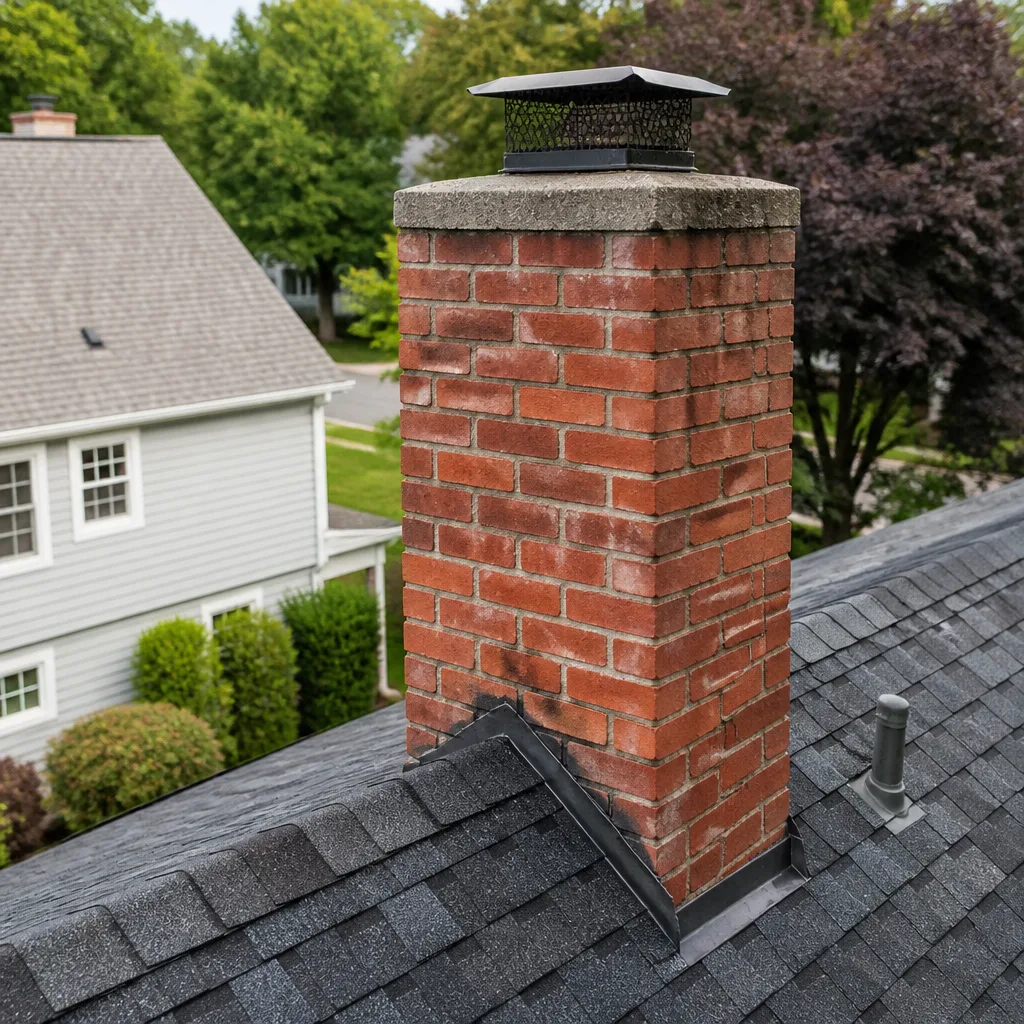 Sweep & inspection
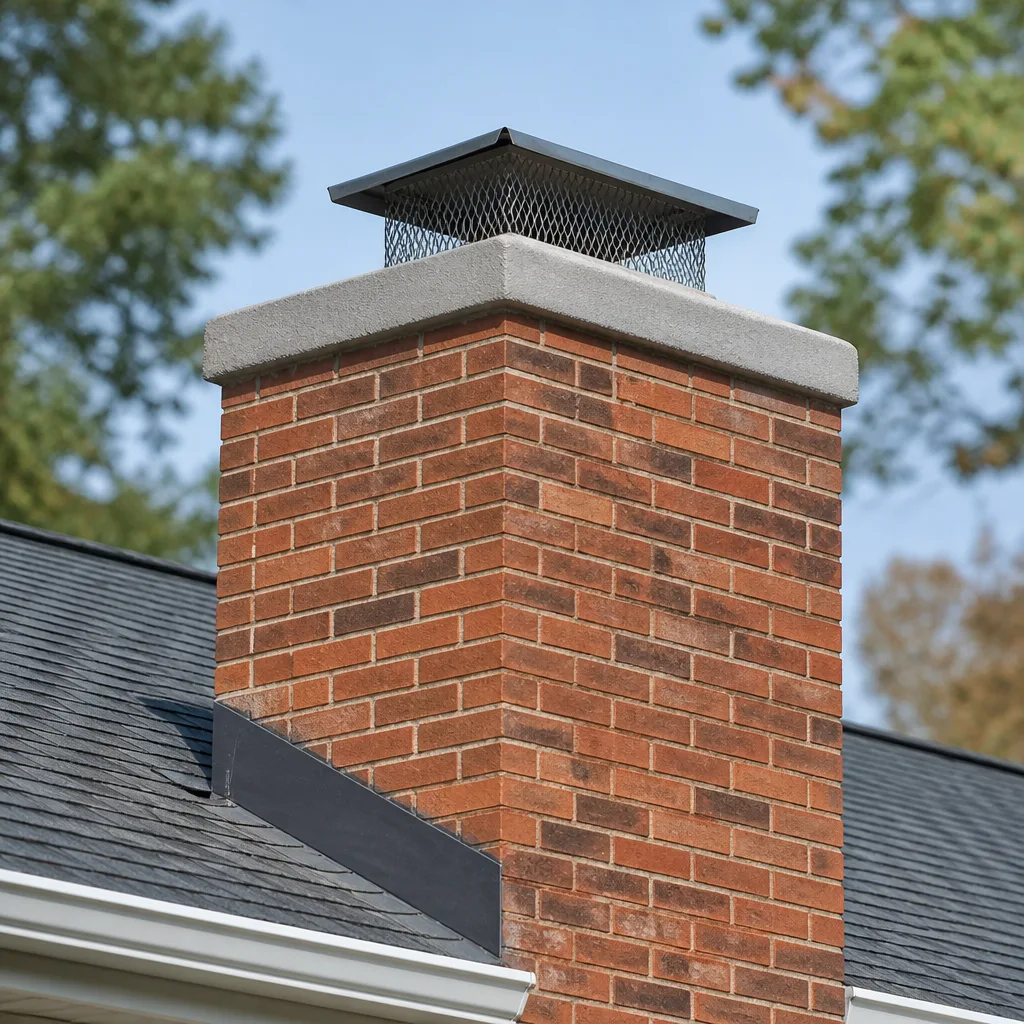 Caps & crowns
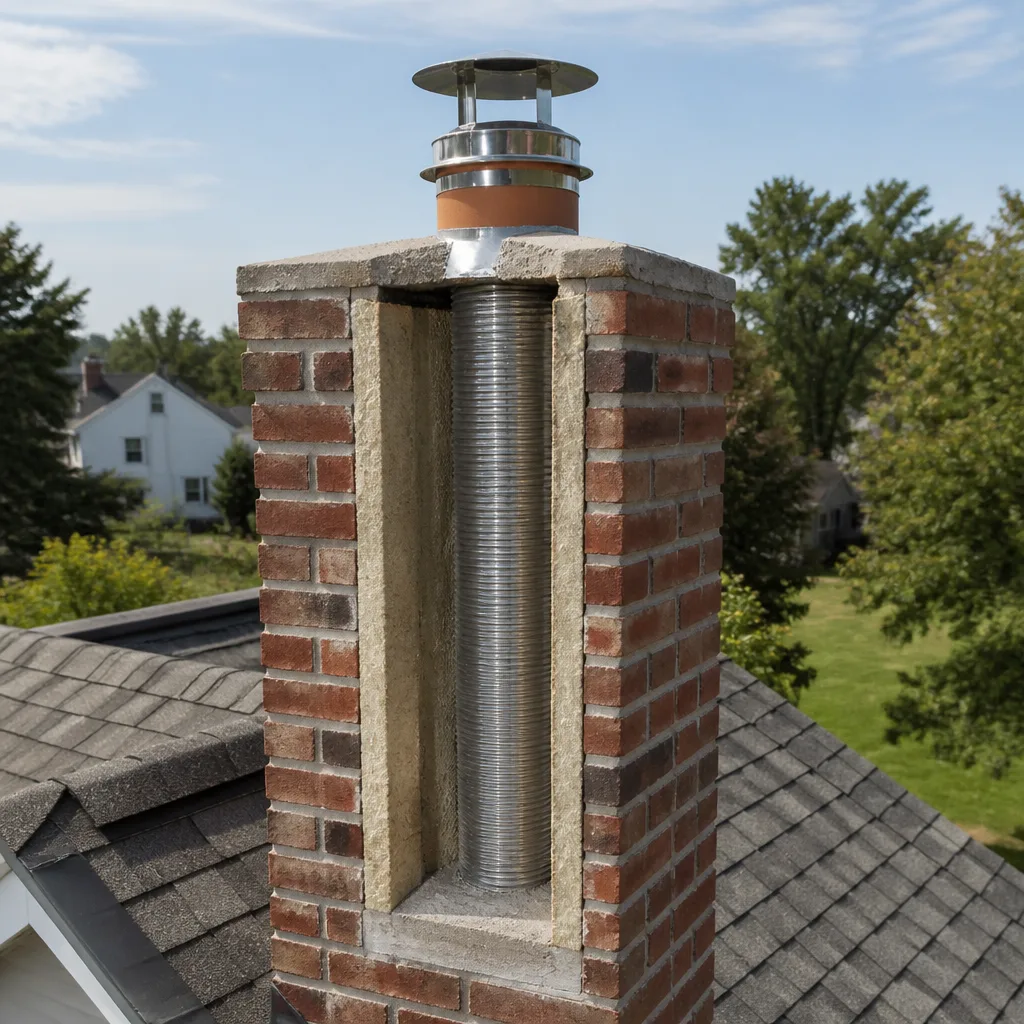 Flue relining
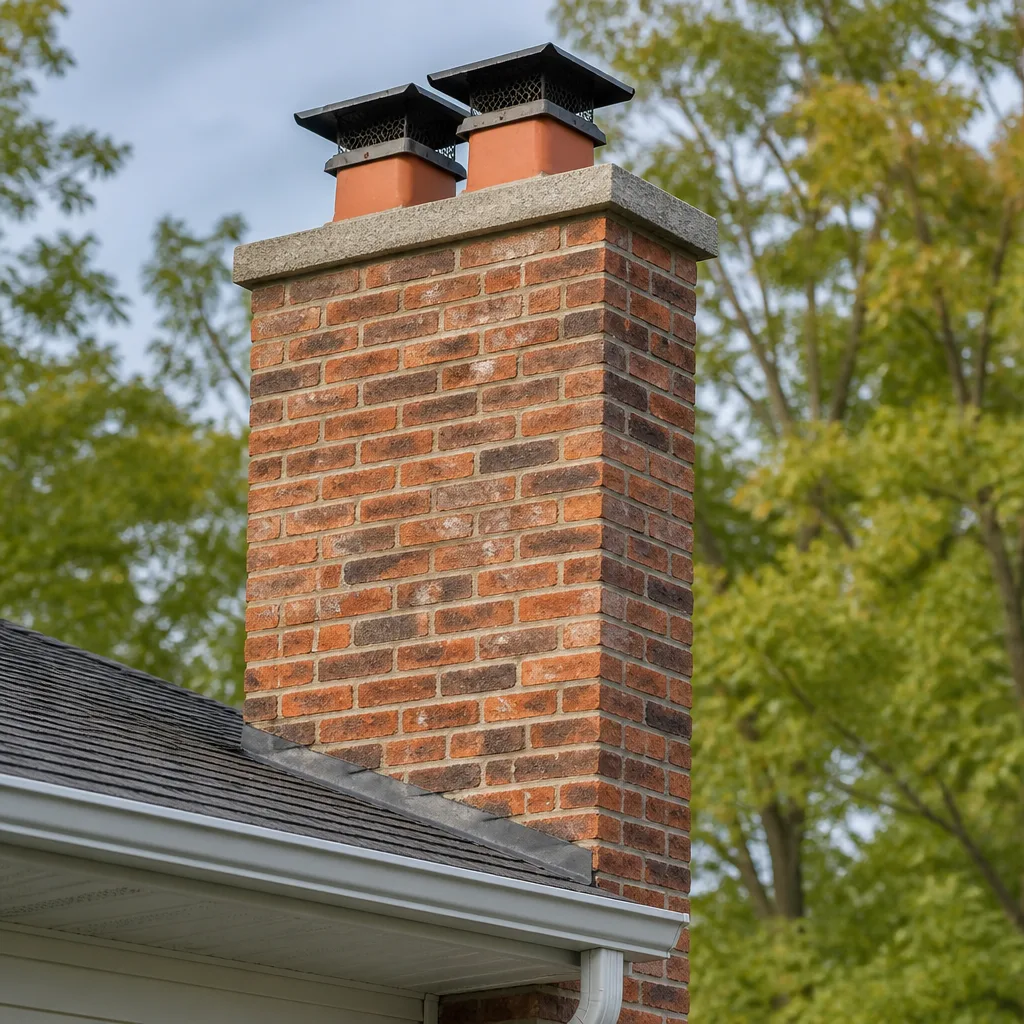 Masonry repair
 Gas fireplace service
Level 1 sweep and inspection to the NFPA 211 annual standard - flue, crown, cap, and flashing checked and photographed
Chimney sweep logs do not sweep chimneys. They loosen some creosote - which then falls where a brush and vacuum still have to collect it.
Chimney Cleaning Emergency Preparedness Guide for Mar Vista Homes
Most Mar Vista homeowners treat chimney care as a fall chore: book a sweep, burn through winter, forget about it until next year. That habit leaves two scenarios completely unplanned for. The first is a chimney fire, which can smolder in a flue for minutes before anyone notices. The second is a seismic event, which can crack a liner without leaving a mark on the outside of the chimney. Mar Vista sits close enough to the Newport-Inglewood fault zone that the second scenario deserves real attention, not a shrug. This guide builds a working action plan for both, covering the first 60 seconds of a suspected fire, what to do after an earthquake, and what records to keep so an insurance claim doesn’t stall. You’ll finish with a checklist you can actually use.
Quick Answer
Emergency preparedness for a Mar Vista chimney means having three things ready before anything goes wrong: a documented inspection history, a clear fire-response plan, and a post-earthquake assessment checklist. If you suspect a chimney fire, stop using the fireplace, get everyone outside, and call 911. After a significant seismic event, don’t light a fire until the chimney has been checked for cracks and the liner has been assessed with a camera. A maintained chimney with current inspection records is both safer to operate and far easier to insure and to claim on.
Styles & brands we work with
- Sweep & inspection
- Caps & crowns
- Flue relining
- Masonry repair
- Gas fireplace service
Table of Contents
- The First 60 Seconds of a Suspected Chimney Fire
- What Happens After a Chimney Fire
- Earthquake Response for Mar Vista Chimney Systems
- Pre-Emergency Documentation: What to Keep and Where
- A Maintained Chimney vs. an Unmaintained One
- The Three Levels of Chimney Inspection
- Seasonal Timing in Mar Vista’s Mild Climate
- Your Annual Chimney Preparedness Checklist
The First 60 Seconds of a Suspected Chimney Fire
A chimney fire is not always the roaring, roaring-draught event people picture. It can be a low, persistent rumble, a smell of hot metal, or puffs of smoke coming from joints in the flue. If you suspect one, the sequence of actions in the first minute matters more than anything else you’ll do afterward.
Follow this order:
- Stop feeding the fire. Don’t add wood. Don’t open the glass doors wide, which feeds oxygen to the fire.
- Get everyone out of the house. If you have a fire extinguisher rated for chimney use and the fire is contained, you can attempt to control it from the firebox, but never delay evacuation to do so. If you see flames at the top of the chimney, hear a loud roaring sound, or smell burning that isn’t coming from the firebox, leave immediately.
- Call 911. Even if the fire appears out, the fire department needs to confirm the flue is safe and check for extension into framing.
- Close the damper only if you can do so safely and quickly. Closing the damper starves a chimney fire of oxygen, but it also traps heat and can worsen damage. If you can’t reach it in a couple of seconds, leave it.
- Don’t use water on a hot flue. A thermal shock can crack a clay tile liner or warp a metal one. Let the fire department handle suppression.
One important clarification: a chimney fire can be over in minutes and still have damaged the liner. The absence of visible flames does not mean the system is safe. For a deeper look at the parts of a chimney system most affected, see our guide to a chimney sweep and what a sweep actually checks.
What Happens After a Chimney Fire
After any confirmed or suspected chimney fire, the chimney cannot be used again until a Level 2 inspection with a camera confirms the liner is intact. This is not a formality. A cracked clay tile or a warped stainless liner can let heat and carbon monoxide reach framing and living space, and the damage often isn’t visible from the firebox or the roof.
Here’s what a proper post-fire Level 2 inspection looks for:
- Liner integrity – cracks, gaps, spalling, or separation between flue tiles, or warping and seam failure in a stainless liner
- Creosote glazing – the hard, glassy stage-three creosote that fueled the fire and needs to be removed before any further burning
- Joint and mortar condition – cracked mortar joints between tiles let heat escape into surrounding structure
- Chase and framing – evidence of heat transfer or charring in the chimney chase or adjacent framing
- Cap and crown damage – fire and heat can crack a crown or warp a cap, which then lets water in
If the inspection finds a compromised liner, you have options. A full reline with a DuraFlex stainless system is one path. A less invasive option is liner restoration with HeatShield, a ceramic resurfacing system applied to the inside of a sound but damaged clay flue. Whether restoration is appropriate depends on the extent of the damage, which is why the camera inspection comes first. We install both, so the recommendation isn’t shaped by what we happen to stock.
Earthquake Response for Mar Vista Chimney Systems
This is the part of chimney preparedness that almost no homeowner plans for. Even a moderate seismic event can shift a chimney enough to open a hairline crack in the liner or separate a flue tile joint, and the exterior of a stucco-clad Mar Vista chimney can look completely normal afterward. Hairline liner fractures are the risk: they let heat and carbon monoxide reach spaces they shouldn’t, and you won’t know they’re there without a camera.
Use this checklist after any noticeable shaking:
- Inspect the exterior from the ground. Look for new cracks in the stucco or brick, a cap that’s shifted or missing, a crown with visible separation, or a chimney that’s leaning away from the house.
- Do a smoke test before lighting a fire. Close the damper, light a small piece of paper or incense in the firebox, and watch where the smoke goes. Smoke that drifts out of the firebox seams or up into the room instead of up the flue means the flue isn’t drawing properly. Don’t light a fire if the test fails.
- Check for a gas smell if you have a gas fireplace. If you smell gas, leave the house and call your gas utility. Don’t try to relight a pilot.
- Decide whether to book a Level 2 inspection. A good working rule: book one after any earthquake that was strongly felt in Mar Vista, especially if the chimney is masonry and older than the house’s most recent remodel. If you’re not sure how strong the shaking was, book the inspection anyway. It’s cheaper than guessing.
- Don’t wait for a visible problem. The whole point of the camera inspection is to find what the exterior can’t show you.
If the exterior inspection shows a damaged crown or a cap that shifted, that’s a chimney cap & crown repair, and it should be handled before the next rain. We install Olympia Chimney and Famco caps, so a replacement cap and its installation happen in the same visit rather than a quote-then-order process.
Pre-Emergency Documentation: What to Keep and Where
The single most useful thing you can do before an emergency is to build a paper trail. When an insurance adjuster reviews a chimney claim, especially a fire claim, they want to see that the chimney was maintained and inspected. A file that shows a documented history moves a claim forward much more smoothly than one that has to be reconstructed after the fact.
Keep these records in a folder, physical or digital, alongside your other home documents:
- Inspection reports – the written report and photos from every chimney inspection, with dates
- Sweep records – the date of each cleaning and any notes about creosote levels
- Liner and repair records – what was installed, when, and by whom, including the product line if one was used
- Photos of the current condition – a set of dated photos of the firebox, the flue from the top, the cap, and the crown, taken after each inspection
- Insurance policy details – your homeowner policy number and the rider or coverage related to chimney and fireplace
Take the photos yourself when the technician is on site. A fresh set of dated photos after every inspection is the fastest way to establish a baseline, which matters after an earthquake because the adjuster can compare before and after.
A standalone inspection is exactly what you need for this, and it’s worth booking one specifically for documentation even if you had a sweep recently. We offer standalone chimney inspections with a written report and photos, separate from a cleaning appointment, for real estate transactions, insurance requirements, or just your own records.
A Maintained Chimney vs. an Unmaintained One
The difference between a maintained chimney and an unmaintained one shows up in two places: fire risk and insurance outcomes.
Fire risk first. An unmaintained flue accumulates creosote, and creosote burns hot. Stage-three creosote, the glazed, hard deposit, is the most combustible form, and it’s the usual fuel in a chimney fire. A chimney swept on a regular schedule never accumulates enough creosote to sustain one. The liner is also kept intact over time, which keeps heat where it belongs.
Insurance outcomes second. Adjusters distinguish between a fire that started from a neglected chimney and one that started from a system that was regularly inspected by a qualified professional. A documented inspection history is evidence of ordinary care. The absence of records can complicate a claim, and in some cases insurers treat an uninspected chimney as a condition the homeowner should have caught. We’re not your insurer and can’t speak to your policy, but we can tell you the claims that go smoothly almost always have a folder of records behind them.
A sweep and inspection won’t prevent every emergency. It will mean that a fire, if one happens, wasn’t fueled by years of neglect, and that a post-earthquake inspection has a baseline to measure against. Book the sweep at a regular interval and the documentation builds itself. Our Chimney Sweep Mar Vista team keeps a record of every visit.
The Three Levels of Chimney Inspection
Not every inspection is the same. The industry uses three levels, and knowing which one fits your situation makes the call easier.
- Level 1 – A visual inspection of the accessible parts of the chimney and fireplace, done as part of a routine sweep. It’s the baseline inspection when nothing has changed since the last one.
- Level 2 – A visual inspection plus a camera inspection of the flue interior. This is the inspection you need after a chimney fire, after an earthquake that was felt strongly, after a change in fuel type, or when buying or selling a home. It’s also the inspection an insurance adjuster will ask for.
- Level 3 – An inspection that goes further, opening concealed areas of the chimney or chase when a Level 2 finds a problem that can’t be diagnosed without looking inside the structure. Level 3 is rare and is used only when the evidence points to damage that the camera can’t reach.
The practical takeaway for a Mar Vista homeowner is this: a Level 1 inspection belongs with every sweep, and a Level 2 is the right call after any event that could have changed the liner (fire, earthquake, a new liner install, a new home purchase). If you’re not sure which level you need, ask us before you book. The chimney sweep visit itself is Level 1 by default, and we can add the camera inspection at the same time if you want it.
Seasonal Timing in Mar Vista’s Mild Climate
Mar Vista’s climate is mild, and that lulls people into thinking chimney maintenance is less urgent here than in colder parts of the country. It isn’t. The mild weather means a fireplace is more likely to be used on scattered cool evenings across a longer part of the year, and it’s more likely to be used lightly and forgotten. Shallow, infrequent fires produce more creosote per hour of burn than a hot, well-tended fire, so the buildup can be slower to notice but not slower to accumulate.
Here’s the timing that works well for most Mar Vista homes:
- Before the first cool evening. Book the sweep and Level 1 inspection before you first want a fire, not after. Calendars fill up as the nights cool.
- Mid-season check. If you’re burning regularly, a quick look at the firebox and the smoke path costs nothing and catches a cap problem early.
- After any earthquake. Book the Level 2 inspection regardless of season. This is not a seasonal task.
- Before a real estate listing or purchase. A standalone inspection documented for the transaction saves time later. If you’re selling, the buyer’s inspector will look at the chimney, and a clean report is one less negotiation.
- After a chimney fire or a suspected one. Immediately, and never use the fireplace again until the Level 2 report comes back clear.
If a fireplace is acting up (smoke in the room, a smell that wasn’t there before, a damper that sticks), that’s usually fireplace repair rather than a cleaning issue, and it’s worth checking before you assume it needs relining.
Your Annual Chimney Preparedness Checklist
This is the plan boiled down. Run through it once a year and after any seismic event, and you’ll be ready for both scenarios this guide covers.
- Book a sweep and Level 1 inspection before the burning season starts.
- Get photos of the current condition at the inspection: firebox, flue from the top, cap, crown.
- File the inspection report and photos with your home documents in the same folder as your insurance policy details.
- Write a one-page fire-response plan and tape it inside a kitchen cabinet: stop feeding the fire, get everyone out, call 911, don’t use water on the flue.
- Post a post-earthquake checklist with the same folder: exterior look, smoke test, gas smell check, book a Level 2 inspection.
- Know where your damper handle is and how it moves, so you can close it quickly if you need to.
- Have the phone number for your chimney specialist on hand so the post-event call happens the day it needs to.
That’s the whole system. It takes a couple of hours a year and a few minutes after any shaking, and it’s the difference between a plan and a scramble.
Common Mistakes to Avoid
- Assuming a visual check from the ground is enough after an earthquake. Hairline liner fractures don’t show on the exterior, and a stucco chimney in Mar Vista can look unchanged while the inside needs a camera inspection.
- Relighting after a chimney fire without a Level 2 inspection. A fire that looks out can leave a cracked liner that fails on the next burn. The camera inspection is the only way to know.
- Skipping the smoke test after a seismic event. It takes a minute and catches a flue that isn’t drawing before you build a fire in it.
- Not keeping the records. Homeowners who move or sell often lose the inspection file, and a reconstructed history is much harder to defend to an adjuster.
- Assuming a gas fireplace is exempt from liner inspections. A gas fireplace still vents through a flue, and the venting needs to be checked, especially after any event that could shift the chimney.
- Letting a small crown crack wait. Water gets in through a cracked crown about as easily as it comes off the roof, and a wet chase is a bigger job than the crown repair that would have prevented it.
- Hiring a sweep-only operation for repair work. A sweep who can’t repair what the camera finds means a second call and a second opinion before anything gets fixed.
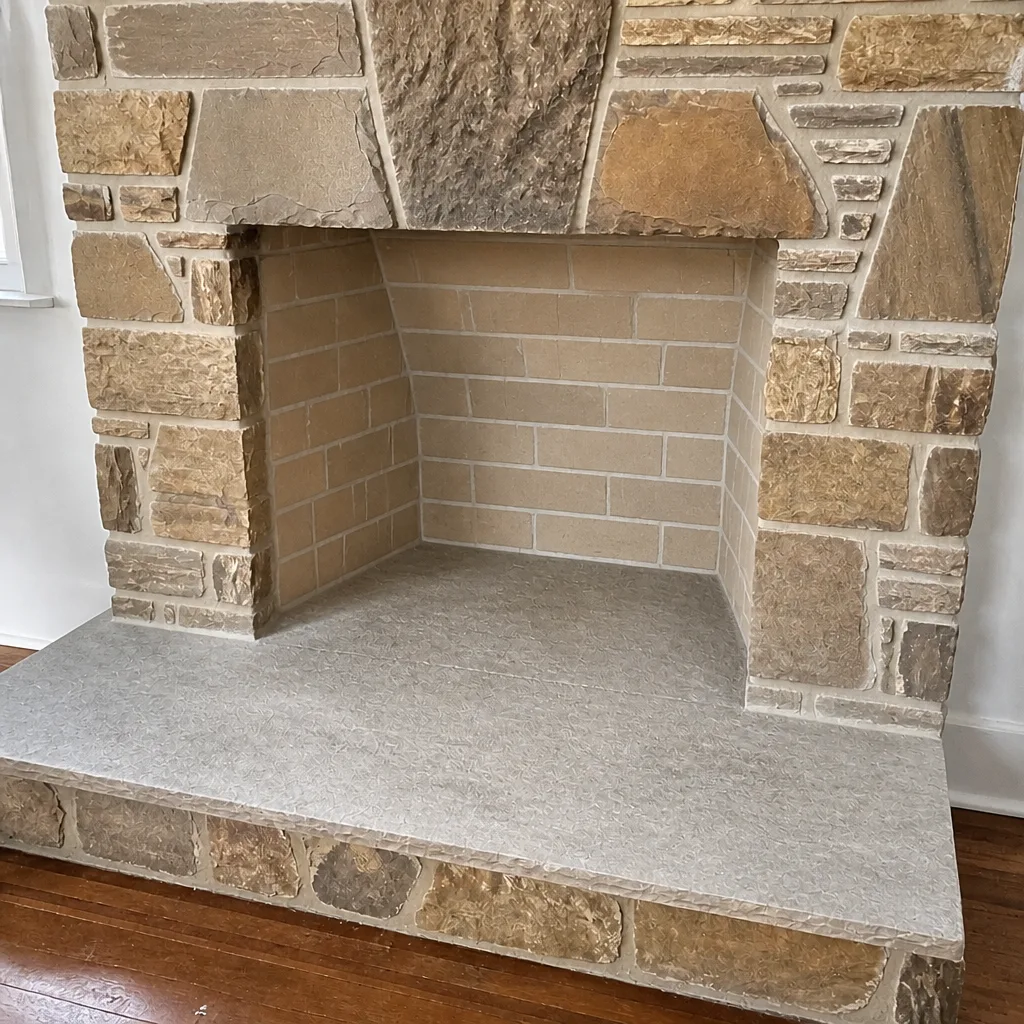
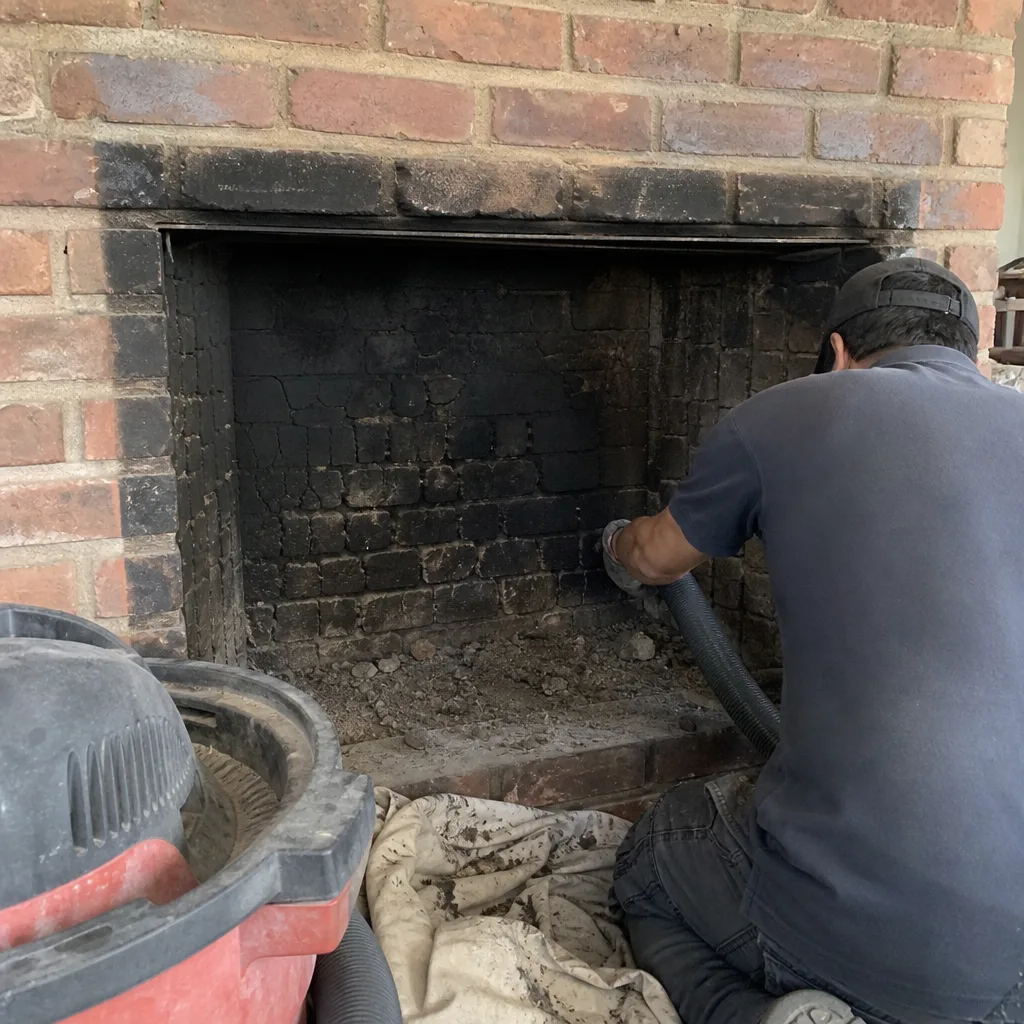
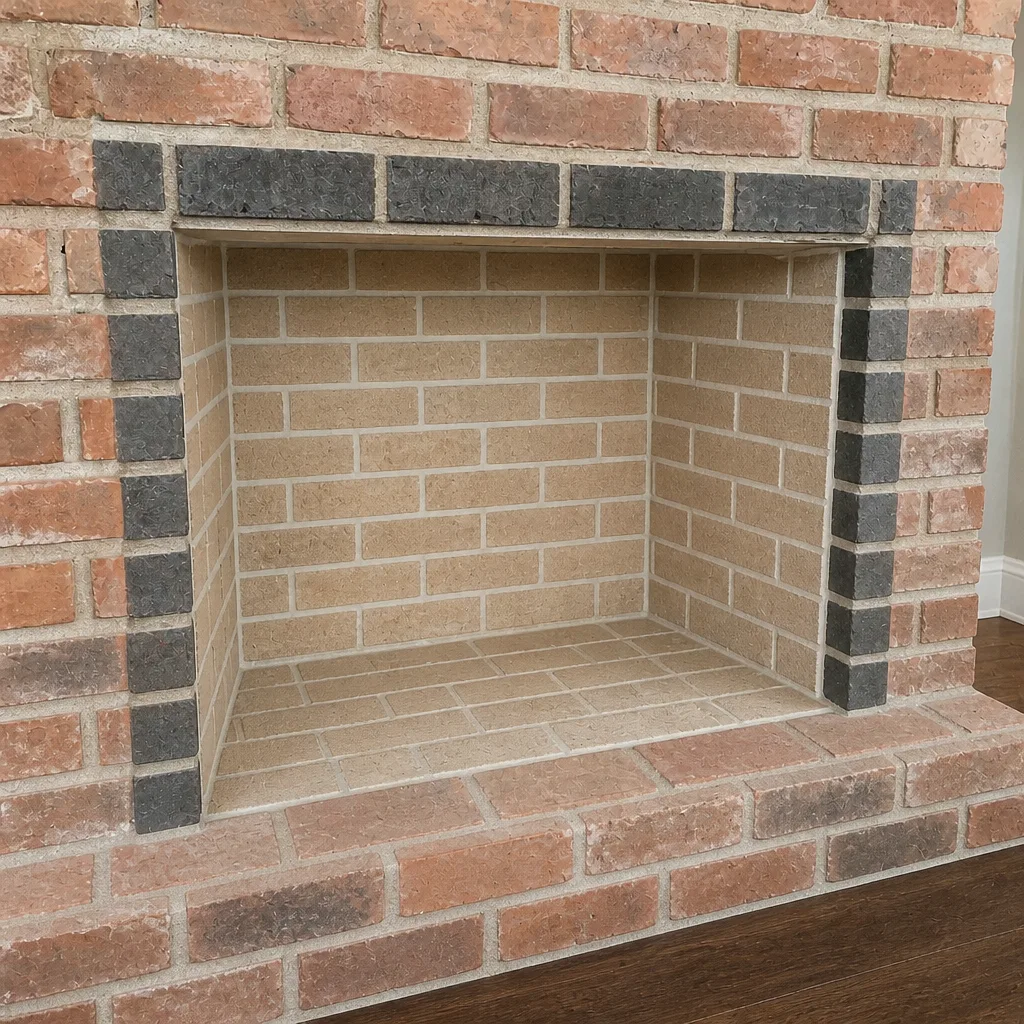
See the difference
 Before
 After
 Before
 After
 Before
 After
When to Call a Professional
Call us immediately if you’ve had a chimney fire or suspect one (and call 911 first if it’s active). Call after any earthquake that was strongly felt in Mar Vista, especially if the chimney is older masonry. Call if you see a new crack in the stucco or brick, if the cap is missing or shifted, if you smell gas near the fireplace, or if smoke is drifting into the room instead of up the flue. Call if you’re buying or selling a home and need a documented inspection. Call if another service told you the chimney “needs work” and you want a second opinion from a company that can actually do the repair if it’s needed. Chimney Sweep Mar Vista offers free estimates in Mar Vista. Call (855) 337-2073. We answer 24/7. Fast dispatch from 7am to 7pm, Sunday through Friday.
Frequently Asked Questions
A chimney should be swept at least once a year, and more often if you burn regularly or notice smoke or smell issues. For most Mar Vista homes, one annual sweep before the burning season covers creosote buildup, and it’s also when we check the cap and crown. Call (855) 337-2073 for an exact quote, estimates are free.
Stop feeding the fire, get everyone outside, and call 911, in that order. Don’t open the glass doors wide, don’t pour water on a hot flue, and don’t assume the fire is out just because you can’t see flames. A chimney fire can damage the liner in minutes, and a Level 2 camera inspection is what confirms it’s safe to use again. Call (855) 337-2073 to book the inspection.
Yes, if the shaking was strongly felt in Mar Vista, especially on a masonry chimney. Even moderate seismic movement can open a hairline crack in a liner or a flue tile joint without any visible exterior sign. A Level 2 inspection with a camera is the only way to confirm the liner is intact. Call (855) 337-2073 to get one on the calendar.
A post-fire Level 2 inspection looks for liner cracks, tile spalling, warped stainless, cracked mortar joints, heat damage to the chase or framing, and damage to the cap and crown. It also identifies glazed creosote that needs to be removed before any further burning. If the liner is compromised, we’ll discuss whether a DuraFlex reline or HeatShield restoration is the right fit for the damage. Call (855) 337-2073 for a free estimate.
Keep every inspection report with dates, a record of each sweep, the make and date of any liner or repair, dated photos of the firebox, flue top, cap, and crown, and your policy details. A documented history of regular professional inspection is what makes a claim move smoothly. Call (855) 337-2073 to book a standalone inspection with a written report and photos.
It can, for two reasons. A regularly swept chimney has less creosote, so a fire has less fuel, and its liner is more likely to be intact. And a documented inspection history gives an adjuster a clear record of ordinary care, which is a far better position than reconstructing a chimney’s history after the fact. Call (855) 337-2073 and we’ll start that record for you.
The Bottom Line
Chimney preparedness in Mar Vista means planning for two events that rarely get planned together: a chimney fire and a post-earthquake structural assessment. The plan is simple. Sweep and inspect the chimney before the season, keep a dated file of every report and photo, post a one-page fire-response plan inside a kitchen cabinet, and run a post-earthquake checklist of the exterior, the smoke test, and a Level 2 inspection whenever the shaking was strong. A maintained chimney with current records is both safer to operate and easier to claim on. None of it is complicated, and all of it is easier to build now than to scramble together later.
If you want to start the paperwork and the plan at the same time, our chimney sweep and standalone inspection services cover both. Call (855) 337-2073 for a free estimate.
Written by the team at Chimney Sweep Mar Vista.