
Last updated November 22, 2026
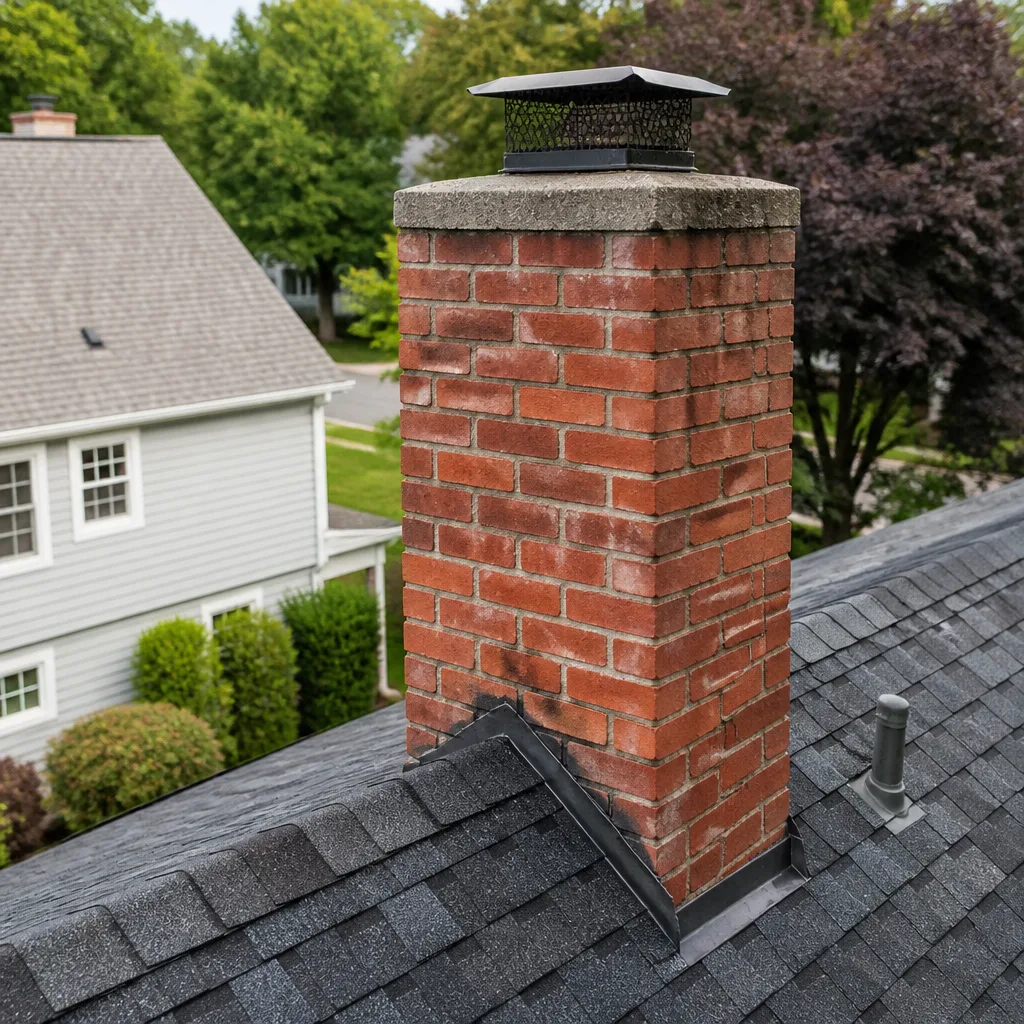 Sweep & inspection
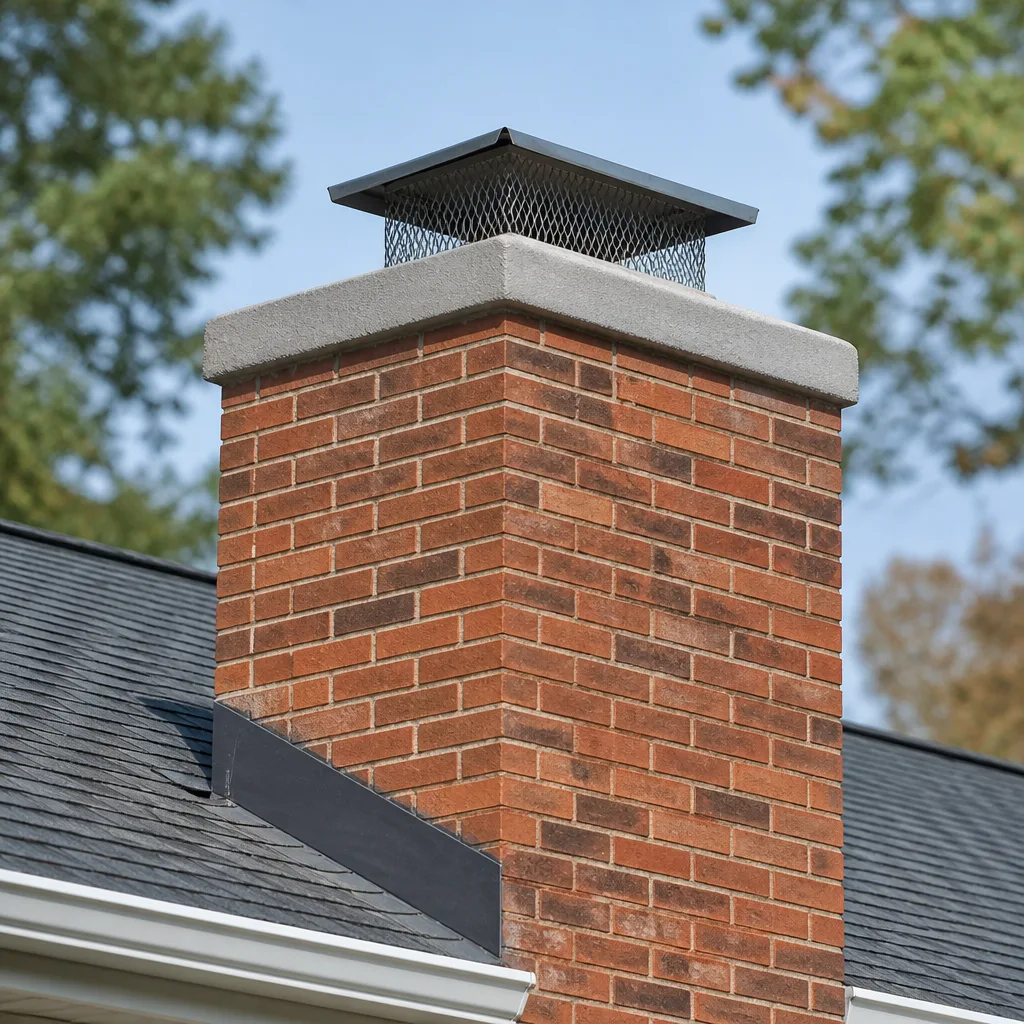 Caps & crowns
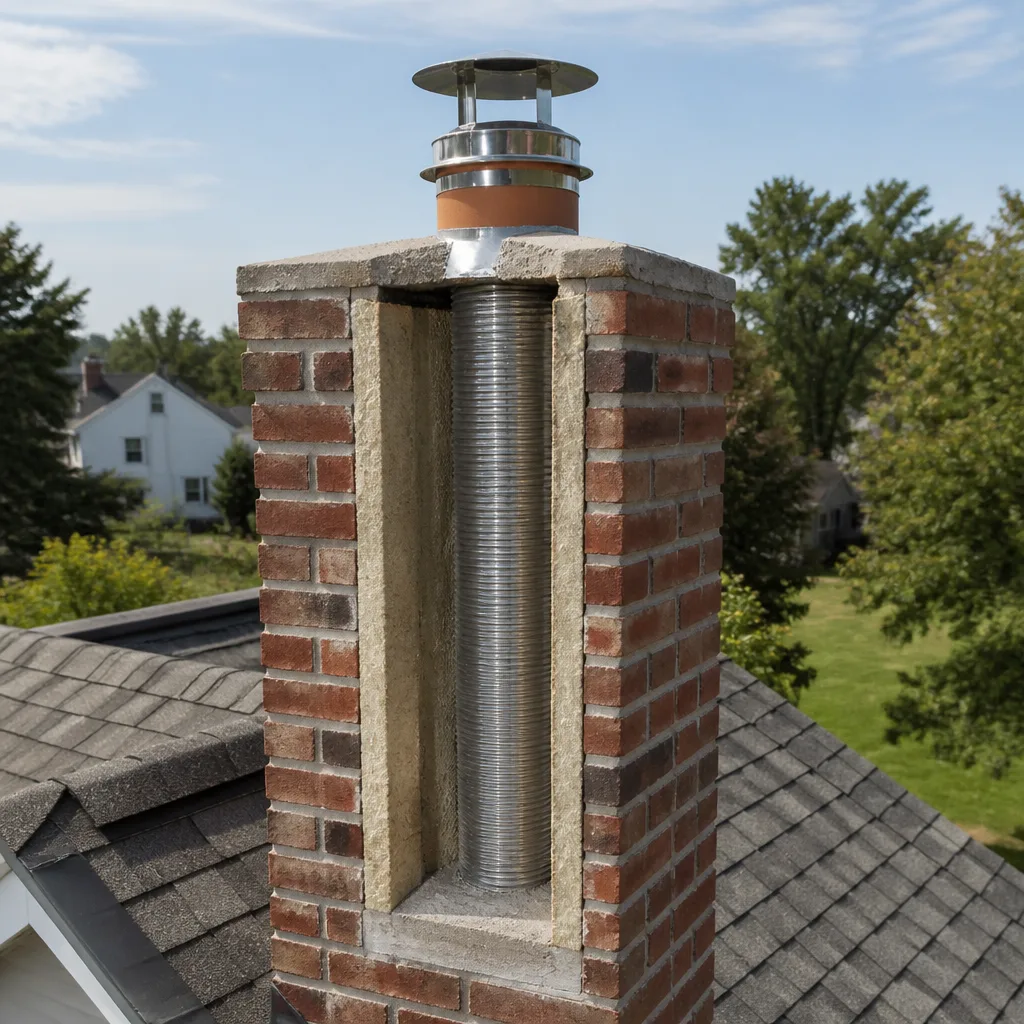 Flue relining
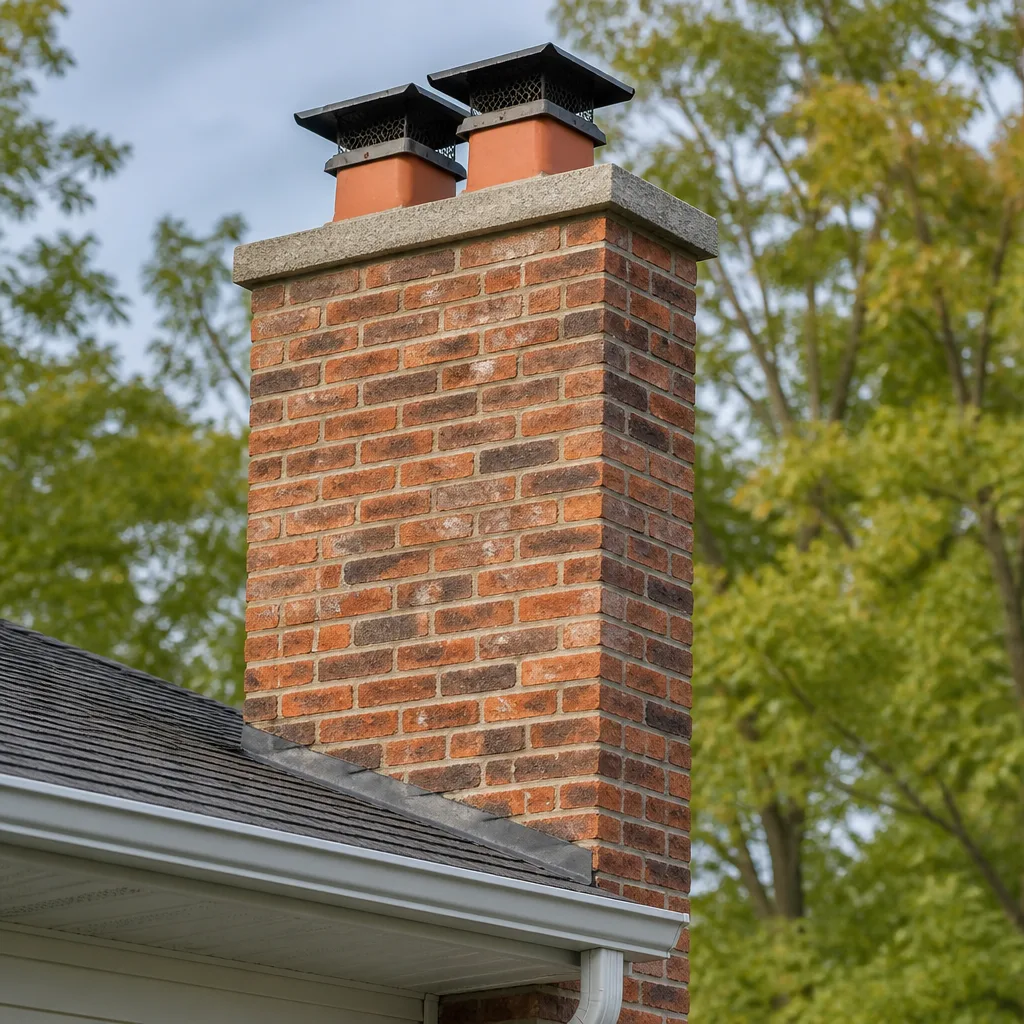 Masonry repair
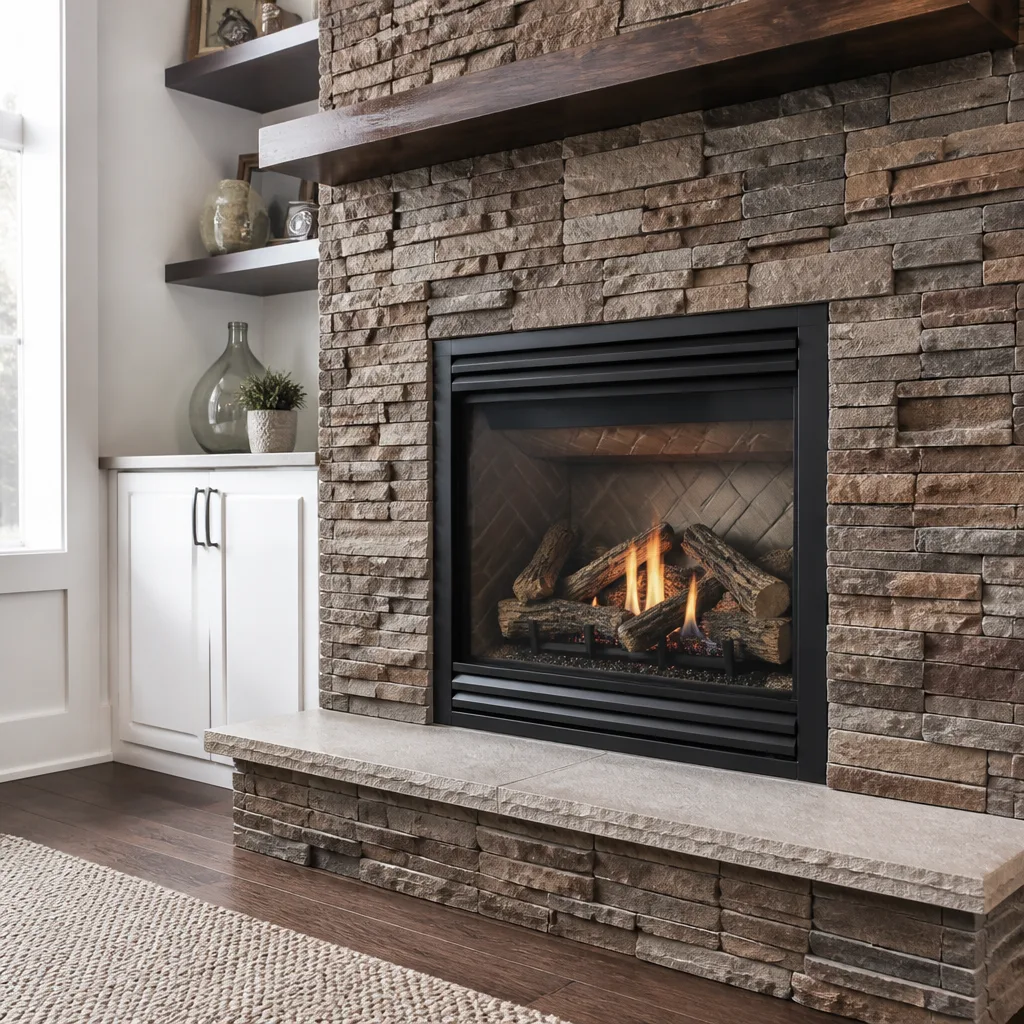 Gas fireplace service
Level 1 sweep and inspection to the NFPA 211 annual standard - flue, crown, cap, and flashing checked and photographed
Chimney sweep logs do not sweep chimneys. They loosen some creosote - which then falls where a brush and vacuum still have to collect it.
Seasonal Chimney Cleaning Care for Mar Vista: Year-Round Homeowner’s Guide
Scheduling your chimney sweep in November, the conventional advice, means you’re cleaning after the first fires of the season have already coated a system you hadn’t looked at since spring. That’s exactly backwards. Mar Vista doesn’t run on the four-season chimney calendar most national advice is built around. Our year splits into two phases: a short, irregular burn window when the fireplace actually works for a living, and a long dormant stretch when the system sits idle but the weather doesn’t. This guide reframes chimney care around that real local pattern, so you know what to do in each phase and why. One mention up front: we’re writing this from Mar Vista, for Mar Vista homes.
Quick Answer
The best time to sweep a chimney in Mar Vista is late summer, before the first fire of the season, not after. Plan on two service points a year: a sweep-and-functional inspection in August or September, and a structural inspection in spring after the rains. Between those visits, check the cap and flashing after any significant Santa Ana wind event and keep an eye on the crown through the wet months. That rhythm keeps a wood-burning or gas fireplace safe without over-servicing a system that sits dormant for most of the year.
Styles & brands we work with
- Sweep & inspection
- Caps & crowns
- Flue relining
- Masonry repair
- Gas fireplace service
Table of Contents
- Why Mar Vista’s chimney calendar isn’t the standard four-season model
- Late summer: the sweep that happens before the season, not after
- Fall and Santa Ana winds: what to check after every major event
- Winter rain and your chimney’s wet-season weak points
- Spring: pest exclusion and cap integrity before dormancy
- Building a two-inspection rhythm that covers function and structure
- What chimney cleaning and inspection cost in Mar Vista
- Common mistakes to avoid
Why Mar Vista’s chimney calendar isn’t the standard four-season model
Most chimney-care advice you’ll read online was written for climates with long, hard winters and a defined heating season that runs for months. Mar Vista doesn’t work that way. Our burn window is short and irregular. Some years the fireplace gets used heavily in December and January. Some years a mild winter means it’s lit a dozen times and that’s it. Then there’s the long stretch from roughly March through October when the chimney is dormant, the firebox is cold, and the roof is doing its slow work in the sun and the occasional rain.
That two-phase cycle matters because creosote and structural wear don’t happen on the same timeline. Creosote builds during the burn window, so it’s a functional concern you address before the season starts. Structural wear on the crown, mortar, flashing, and cap happens year-round, driven by weather exposure while the chimney is idle, so it’s a seasonal concern you address after the wet periods and the wind events.
Break down the two phases and you get a clearer picture of what each one demands:
- Burn phase (roughly November through February, though it varies with the weather): creosote accumulation, soot, draft performance, and firebox wear. Functional problems you can smell or feel when the fire is lit.
- Dormant phase (spring through fall): mortar joint erosion, crown cracking, flashing loosening, cap damage from wind and debris, and pest intrusion. Structural problems you can only find by getting on the roof and looking.
A sweep-only operation tends to think about the burn phase, because that’s when people call. A full chimney company thinks about both, because the dormant phase is when the quiet damage happens. That’s the split we work from, and it’s why the timing advice below is specific rather than one-size-fits-all.
Late summer: the sweep that happens before the season, not after
August and September are the sweet spot for a chimney sweep in Mar Vista, and the reasoning is simple. By late summer, last season’s creosote is fully deposited and sitting in the flue. A sweep now clears it out before the first fire of the new season, so you’re starting clean instead of layering new soot on top of nine months of accumulation. Clean before you burn, not after.
There’s a practical benefit too. Late summer is a quieter time for chimney work, which means a sweep appointment is easy to schedule and repair recommendations made now can be completed before the burn window opens. If the inspection turns up a cap that’s failing or a crown with a hairline crack, you have time to fix it properly rather than rushing a patch before the holidays.
Here’s what a proper late-summer visit looks like:
- Full sweep of the flue. We clear creosote, soot, and any debris that’s fallen in over the dormant months, including leaves, twigs, and the occasional bird nest. A camera inspection runs alongside the sweep and you get a photo report showing exactly what came out and what the flue looks like inside.
- Functional inspection. We check draft, damper operation, firebox condition, and the smoke chamber. This is the “will it actually work this season” check.
- Roof-level look. Cap security, crown condition, flashing, and mortar joints. Anything flagged here is documented so you can decide whether to fix it now or wait.
- Written report and estimate. If repair work is needed, you get a flat-price estimate in writing before anything is booked. Nothing gets recommended without camera evidence you can see for yourself.
The point of doing this in late summer, rather than waiting, is that a system you’ve cleaned and checked before the season starts tells you exactly where you stand. A system you haven’t looked at since spring is a question mark until the first fire, and sometimes until well after.
Fall and Santa Ana winds: what to check after every major event
Santa Ana wind events are the single biggest structural stressor on Mar Vista chimneys, and most homeowners never think to check after one passes. These events bring dry, gusting wind from the inland side, and a chimney is basically a lever sticking up off your roofline. The cap, the flashing, and any loose crown material take the load.
After a significant Santa Ana event, walk around the outside of the house at ground level and look up. Then check these specific points:
- Cap security. Is the cap still seated and level? A cap that’s lifted or tilted is a wind-driven failure, and a loose cap lets rain, debris, and animals straight into the flue. We install and stock Olympia Chimney and Famco caps, so a damaged cap can be replaced in a single visit rather than a quote-then-order-then-return process.
- Flashing. The metal at the roof transition is the most common wind and water failure point on any chimney. Look for lifted edges, gaps, or anything that’s clearly pulled away from the roof surface.
- Crown edges. Wind can catch a deteriorating crown and start breaking it down from the edge inward. A crown is meant to shed water away from the flue; once it cracks or crumbles, water goes where it shouldn’t.
- Debris in the flue. Wind drives leaves and twigs into an open or partially blocked cap, and that debris collects at the smoke shelf. It’s a fire hazard and a drafting problem.
Mar Vista sits in a part of the city where the wind funneling down from the hills is genuinely noticeable, particularly on the west-facing and exposed rooflines. After a real event, check the cap and flashing. If you see something that looks wrong, get it looked at before the next rain. A wind-damaged cap left through the wet season turns into a water intrusion problem in the firebox.
Winter rain and your chimney’s wet-season weak points
Mar Vista winters aren’t cold in the way chimney advice assumes, but they are wet, and wet is what actually ages a chimney. The burn window and the rainy months overlap, which is the tricky part. You’re using the fireplace while the roof is being soaked, so a small crown crack or a lifted flashing edge has all season to let water in behind the masonry.
The inspection points that matter after wet periods are specific:
- The crown. A cracked or porous crown is the number one water entry point on a masonry chimney. Water gets into the masonry from the top down, and repeated wetting and drying erodes mortar joints from the inside.
- Mortar joints. Look for joints that are recessed, crumbling, or missing. In a wet winter, a joint that’s already failing lets water soak into the brick.
- Flashing and roof seal. The flashing is where most chimney leaks actually start. Water tracks down the flashing, along the roof, and shows up as a stain on the ceiling or a damp firebox, far from where the leak began.
- Cap and spark arrestor. A blocked or damaged cap lets rain straight down the flue and lets the firebox get damp when the chimney isn’t in use.
If you notice a musty smell, a damp firebox, or water staining on the ceiling near the chimney after a wet stretch, that’s a signal to get a structural inspection. The fix is often smaller than people fear: re-pointing mortar, a crown repair, or re-sealing flashing. Catching it in the wet season is far cheaper than catching it after several seasons of intrusion. A structural inspection in late winter or early spring, before the dormant stretch, is the natural checkpoint.
One safety note that applies year-round: a wood-burning fireplace produces carbon monoxide, and a blocked or damaged flue can let it back into the house. A working carbon monoxide detector on every level is not optional, and it’s part of a well-maintained system. If your detector ever alarms, get everyone out, call the gas utility or fire department, and don’t use the fireplace until the chimney has been inspected.
Spring: pest exclusion and cap integrity before dormancy
Spring is when the chimney goes dormant, and that’s exactly why it needs attention. Once the fire stops being lit, the flue is an open, sheltered, warm-ish cavity on your roofline, and to a bird, a squirrel, or a swarm of bees, that’s prime real estate. A cap that’s in good shape keeps them out. A cap that’s missing, damaged, or the wrong size doesn’t.
The spring checklist is short but specific:
- Confirm the cap is intact and properly sized. A cap needs to fit the flue correctly, with mesh that keeps animals and large debris out while still allowing draft. An oversized or loose cap shifts in wind and leaves gaps. This is where a properly fitted Olympia Chimney or Famco cap does its job.
- Check for nesting or intrusion. If you hear scratching, chirping, or buzzing from the chimney in spring, something has moved in. Don’t light a fire to “flush it out.” Get it inspected and cleared properly, because a nest in the flue is a fire hazard once the season starts.
- Look at the crown for winter damage. The wet season is over by spring, and the crown has had months to show any cracks or erosion. This is the time to repair it, before the dry dormant months when it can be addressed without rushing.
- Clear any debris that settled over winter. Leaves, twigs, and soot fall to the smoke shelf over the dormant and wet months. A spring sweep clears it so the chimney sits clean until the next season.
The reason spring matters is that the dormant months are long. A problem discovered in October, when the season is about to start and every homeowner in Mar Vista is calling, is a problem you can’t always fix on your timeline. A problem discovered in spring has months of runway. That’s the argument for treating spring as a real service point, not an afterthought.
Building a two-inspection rhythm that covers function and structure
You don’t need four service visits a year. You need two, timed to the two phases of the Mar Vista cycle, each covering a different kind of concern. Here’s what that rhythm looks like laid out:
- Late summer (August or September): sweep and functional inspection. Clear out the off-season accumulation, verify draft and firebox condition, and check the roof-level components before the burn window opens. This is the visit that makes sure the fireplace actually works and the flue is clean for the first fire.
- Late winter or early spring: structural inspection. After the wet season and the burn window, check the crown, mortar joints, flashing, and cap for the wear that happened while the system was in use and exposed to weather. This is the visit that catches quiet structural damage before it becomes expensive.
Between those two visits, do a visual check after any major Santa Ana wind event, and keep an eye out for water intrusion signals during the wet months. That’s it. Two professional visits, a couple of quick homeowner checks, and the system is covered without over-servicing.
The other piece of this rhythm is the standalone inspection. Not every visit needs to include a sweep, and sometimes you need a formal inspection on its own: for a real estate transaction, for an insurance requirement, or for a second opinion when another service told you the chimney “needs work.” We perform inspections as a standalone service so you get documented findings and a report you can act on, whether or not you book any repair work with us. A formal inspection, documented and ready for your records, is its own product, and it’s the right call when you need an honest picture of a chimney you didn’t build and don’t fully know.
What chimney cleaning and inspection cost in Mar Vista
Prices for chimney work vary with the size and condition of the system, so treat any range as a starting point rather than a quote. The written estimate sets the final price, and the estimate itself is free. Here’s roughly what to expect when you’re planning the two-visit rhythm:
| Service | Typical estimated range |
|---|---|
| Standard chimney sweep (single flue) | $150 – $300 |
| Sweep plus functional inspection | $200 – $400 |
| Standalone structural inspection (documented) | $180 – $350 |
| Cap replacement (product and install) | $250 – $600 |
| Crown repair or resurfacing | $300 – $900 |
| Mortar re-pointing (limited area) | $400 – $1,200 |
| Liner restoration with HeatShield | $1,800 – $4,000 |
| Full relining (DuraFlex) | $3,000 – $7,000 |
These are estimated ranges, not fixed prices. A simple sweep on a clean single-flue system sits at the low end; a system that hasn’t been touched in years, or one with a flue that needs a camera inspection to sort out, can run higher. What we won’t do is quote a big repair off a quick look. Every recommendation comes with camera evidence and a photo report you can see for yourself, and if work can safely wait until the next service window, we’ll tell you that too.
The liner number is where most homeowners feel the pressure, and it’s worth understanding. A full relining with DuraFlex is a significant job, and it’s the right answer when the existing flue is badly compromised. But it isn’t always the answer. HeatShield, a ceramic resurfacing system, restores a liner that’s cracked or deteriorated without a full reline, and it’s less invasive and less expensive when the liner qualifies. Many sweep-only operations can’t offer it because they don’t do restoration work. If you’ve been told you need a full reline, a second opinion with a company that can actually do both is worth having.
Call (855) 337-2073 for an exact quote. Estimates are free, and the price is set per job by the written estimate.
Common Mistakes to Avoid
- Sweeping after the first fire instead of before. The conventional November sweep cleans a system that’s already been used. In Mar Vista, the first fire of the season should come after the sweep, not before it. Swap the order and the whole season starts clean.
- Ignoring the chimney through the dormant months. Most structural damage happens while the fireplace is cold and the roof is exposed to sun, wind, and rain. A chimney that only gets attention when it’s in use is a chimney that gets checked once a year at most, and usually at the wrong time.
- Never checking after a Santa Ana event. A wind event can lift a cap or work flashing loose, and nothing about the fireplace’s indoor performance tells you it happened. A quick post-event look at the cap and flashing catches it before the rain does.
- Letting a small crown crack run through the wet season. A hairline crown crack is a cheap repair in spring and a masonry problem by the next spring. Water entry from the top is the slow, expensive kind.
- Lighting a fire to clear a nest. If something has moved into the flue over spring or summer, a fire doesn’t clear it, it ignites it. Get the chimney inspected and the obstruction removed properly.
- Accepting a big repair quote without seeing the evidence. If someone tells you the liner is shot or the chimney needs thousands in masonry work, ask to see the camera footage. A recommendation without visual evidence isn’t a diagnosis, it’s a guess.
- Skipping the carbon monoxide detector. A wood-burning fireplace is a combustion appliance, and a blocked or damaged flue can let exhaust back into the house. A working CO detector on every level belongs in the same category as the sweep itself.
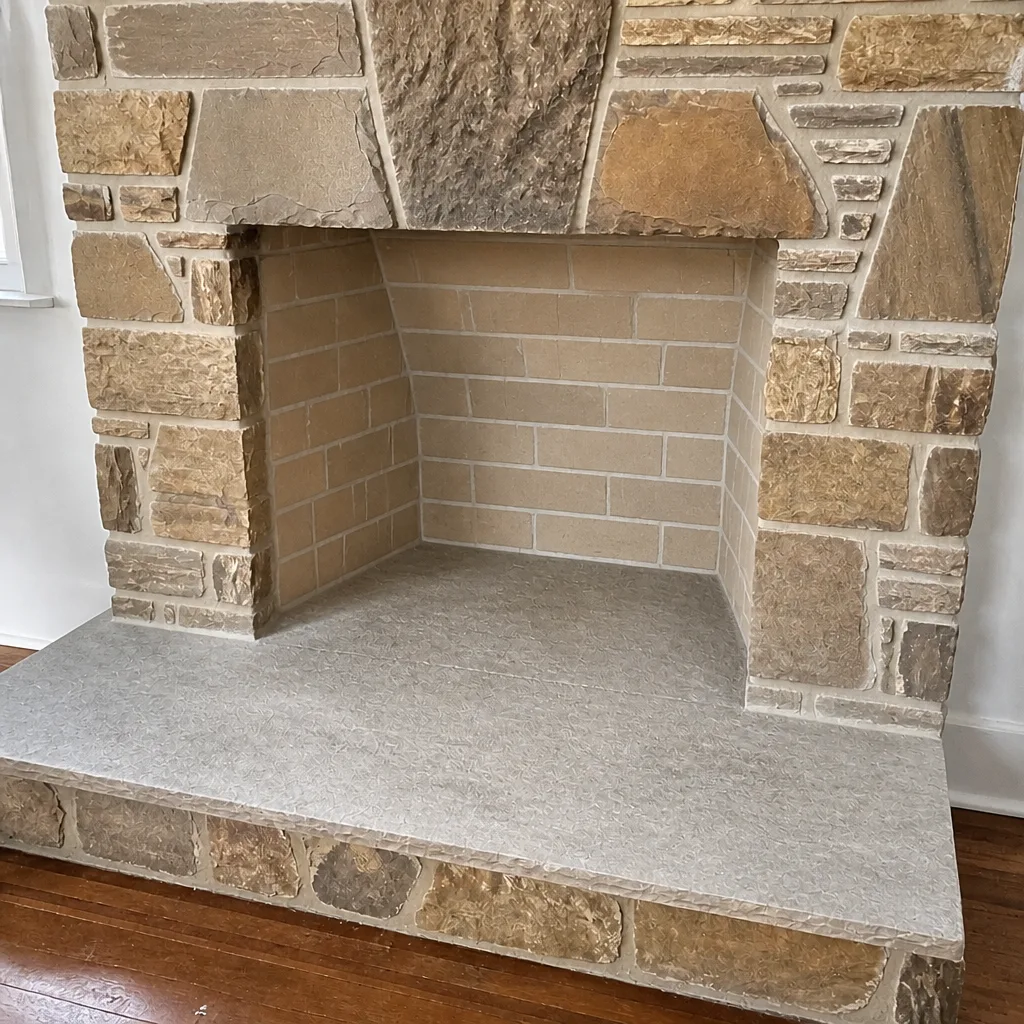
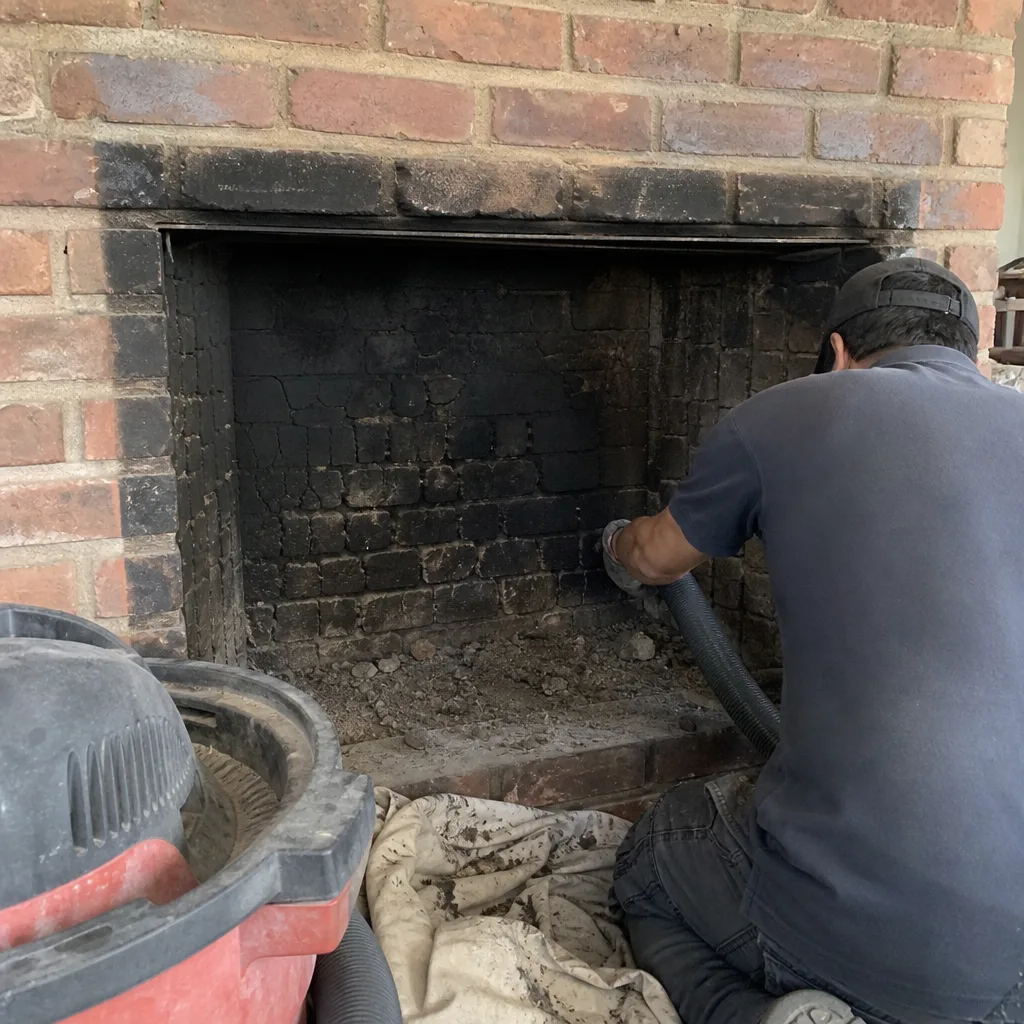
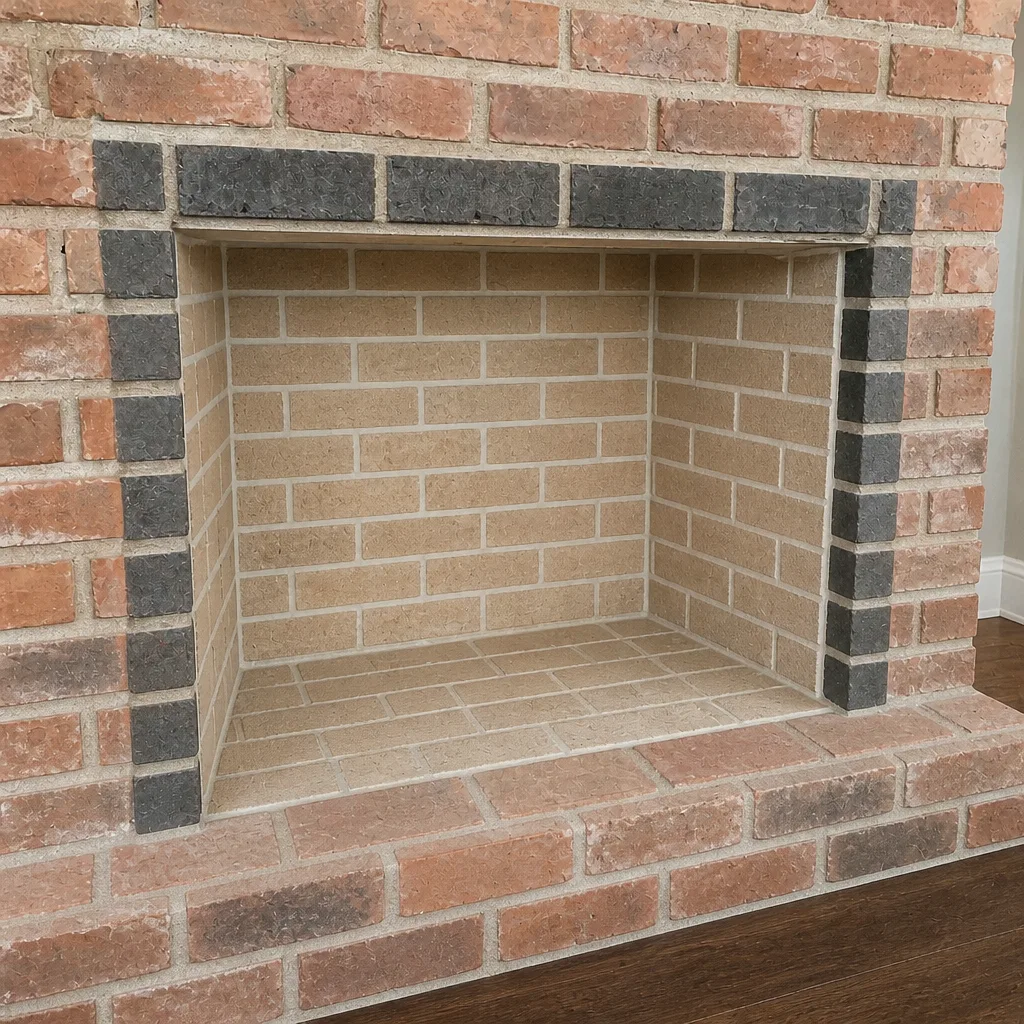
See the difference
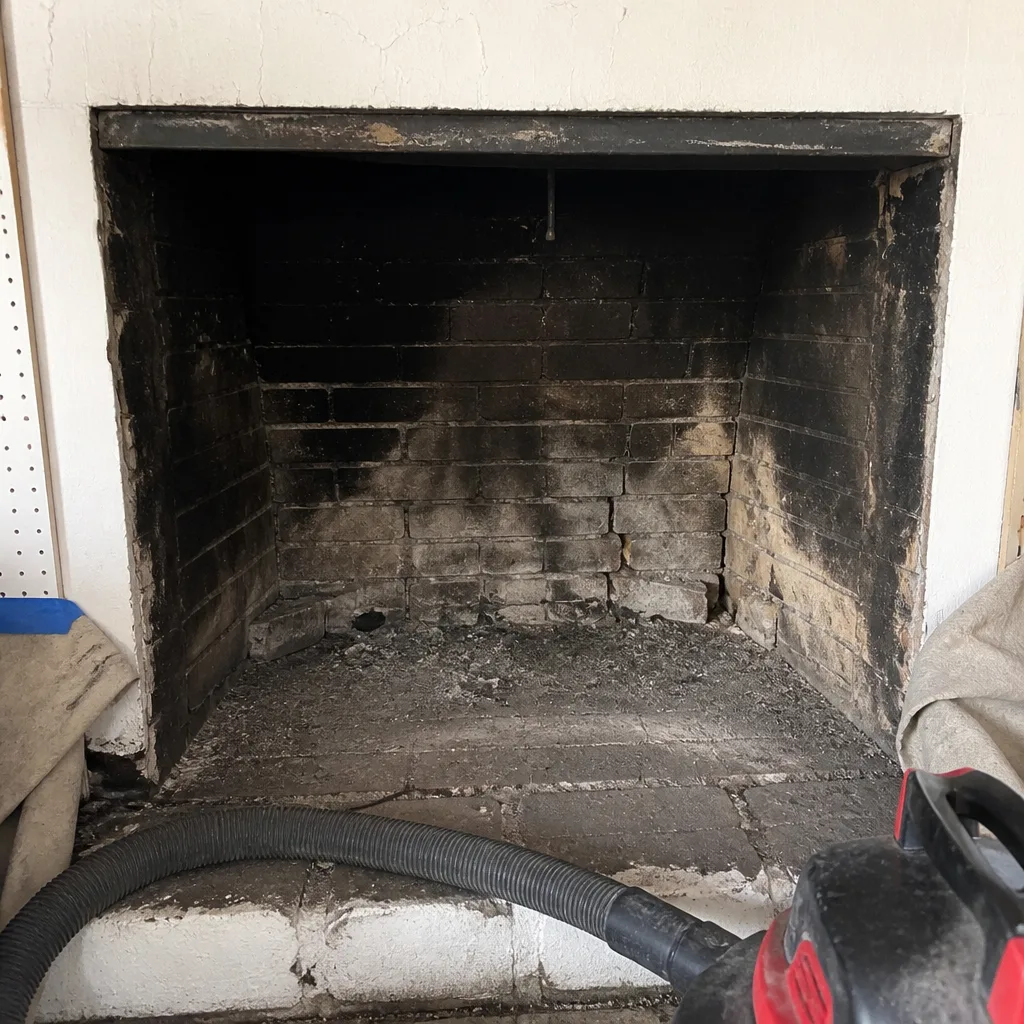 Before
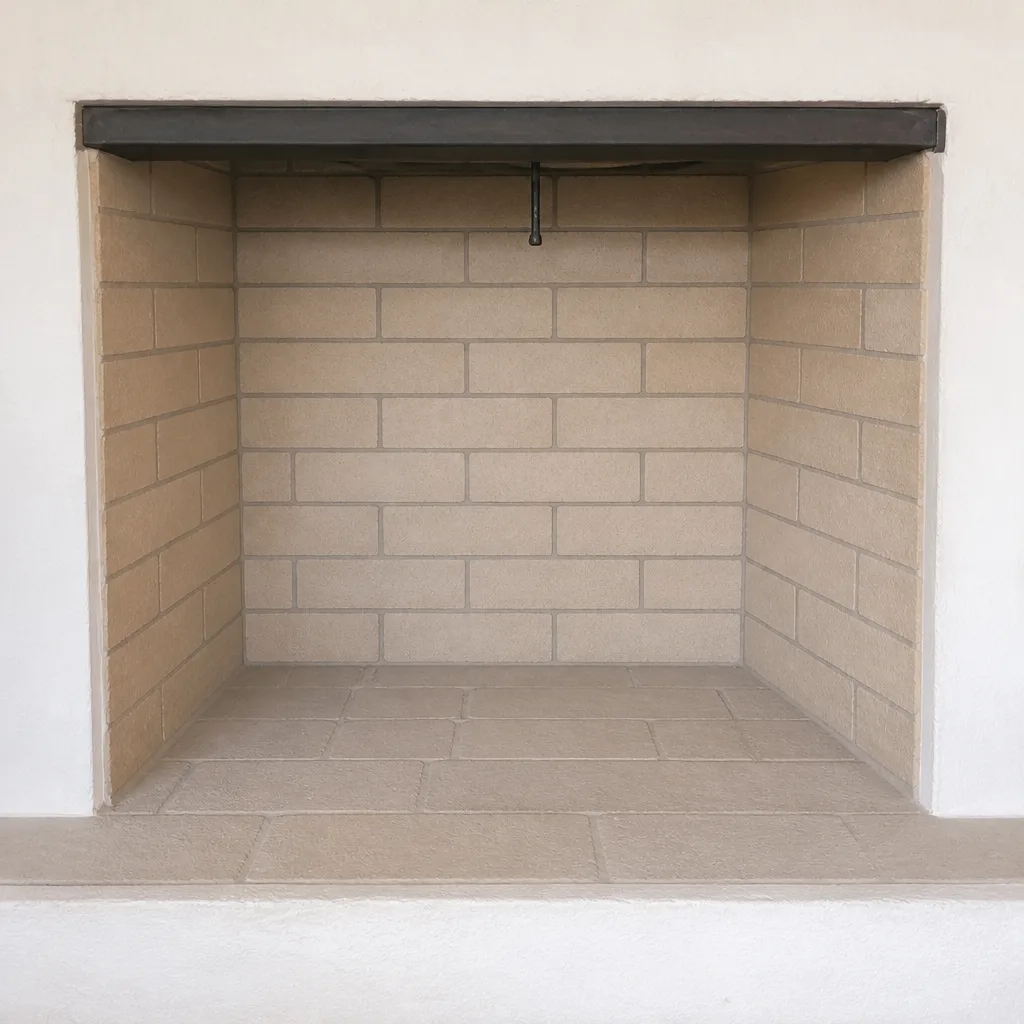 After
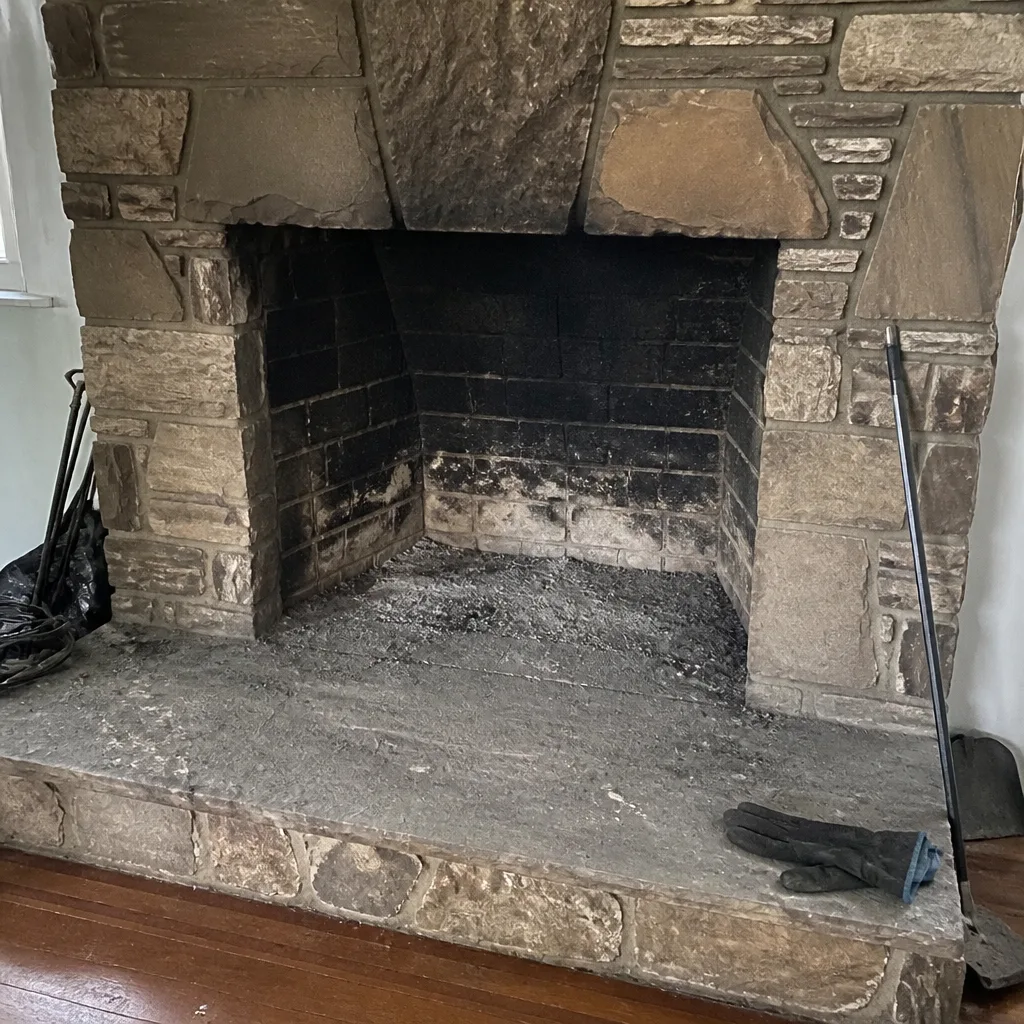 Before
 After
 Before
 After
When to Call a Professional
Some chimney work is a homeowner check; some needs a trained technician. Call a professional when you see water staining near the chimney, when a cap is missing or clearly loose, when you hear animals in the flue, when the firebox smells damp or musty after rain, or when the fireplace smokes into the room instead of drafting up the flue. Call before the burn window opens in late summer, and call for a structural inspection after the wet season if you haven’t had one. Gas fireplace servicing also belongs with a specialist, since the venting and combustion side needs proper inspection. And if a previous service told you the chimney needs significant work, a second opinion with camera documentation is worth the call. Chimney Sweep Mar Vista offers free estimates in Mar Vista. Call (855) 337-2073.
Frequently Asked Questions
Once a year for most wood-burning fireplaces, timed for late summer before the first fire of the season. Gas fireplaces typically need less frequent sweeping but still need an annual inspection of the venting. If you burn heavily through the winter, an annual sweep is the floor, not the ceiling. Call (855) 337-2073 to book a late-summer sweep.
Creosote builds up in the flue, and creosote is flammable. A heavy deposit raises the risk of a chimney fire, and a blocked flue can push carbon monoxide back into the house. Skipping a sweep also means structural issues like a failing crown or loose cap go unnoticed another year. It’s a small job now versus a bigger one later. Call (855) 337-2073 for a free estimate.
Not always, and that’s the honest answer. A full reline is the right call when the existing flue is badly compromised, but a cracked or deteriorated liner can often be restored with HeatShield, a ceramic resurfacing system, at lower cost and with less disruption. The only way to know which applies is a camera inspection. Call (855) 337-2073 and ask for the footage.
A standard single-flue sweep typically runs about $150 to $300, and a sweep with a functional inspection about $200 to $400. The written estimate sets the final price, and the estimate is free. Call (855) 337-2073 for an exact quote.
Check the cap for lifting or tilting, the flashing at the roof transition for gaps, the crown edges for new cracking, and the flue for wind-driven debris. If anything looks off, get it inspected before the next rain. Call (855) 337-2073 to schedule a post-event check.
Yes. We perform standalone chimney inspections with photo documentation and a written report suitable for real estate transactions, insurance requirements, or a safety audit. The inspection doesn’t require a cleaning appointment. Call (855) 337-2073 to schedule one.
The Bottom Line
Mar Vista’s chimney calendar isn’t the four-season model most advice assumes. It’s a short burn window and a long dormant stretch, each with its own maintenance needs. Sweep in late summer, before the first fire. Inspect structurally in spring, after the rains. Check the cap and flashing after every major Santa Ana event. That two-visit rhythm covers both function and structure without over-servicing. Add a working carbon monoxide detector on every level, and get a second opinion with camera evidence before agreeing to any big repair. Care that follows your actual local pattern beats generic advice every time. Call (855) 337-2073. We answer 24/7. Fast dispatch from 7am to 7pm, Sunday through Friday.
Written by the team at Chimney Sweep Mar Vista.