
Last updated November 22, 2026
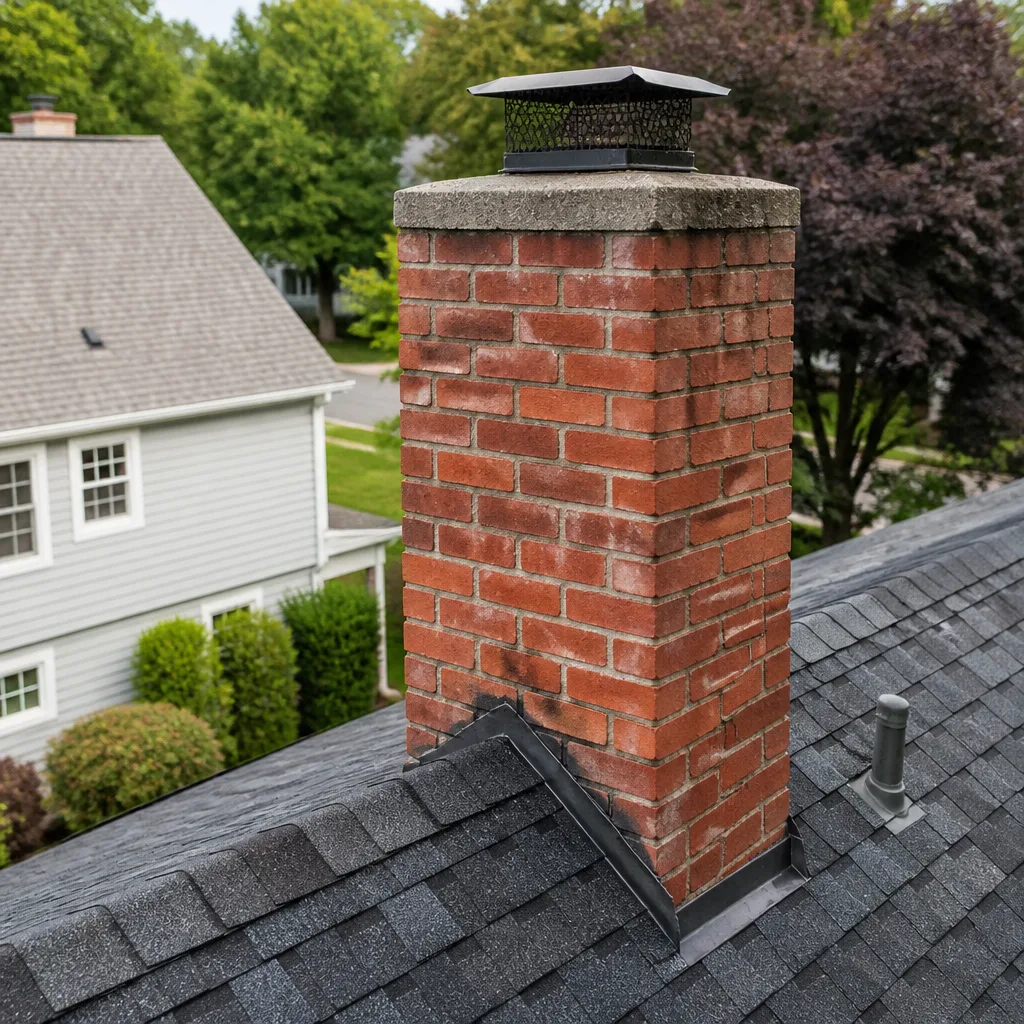 Sweep & inspection
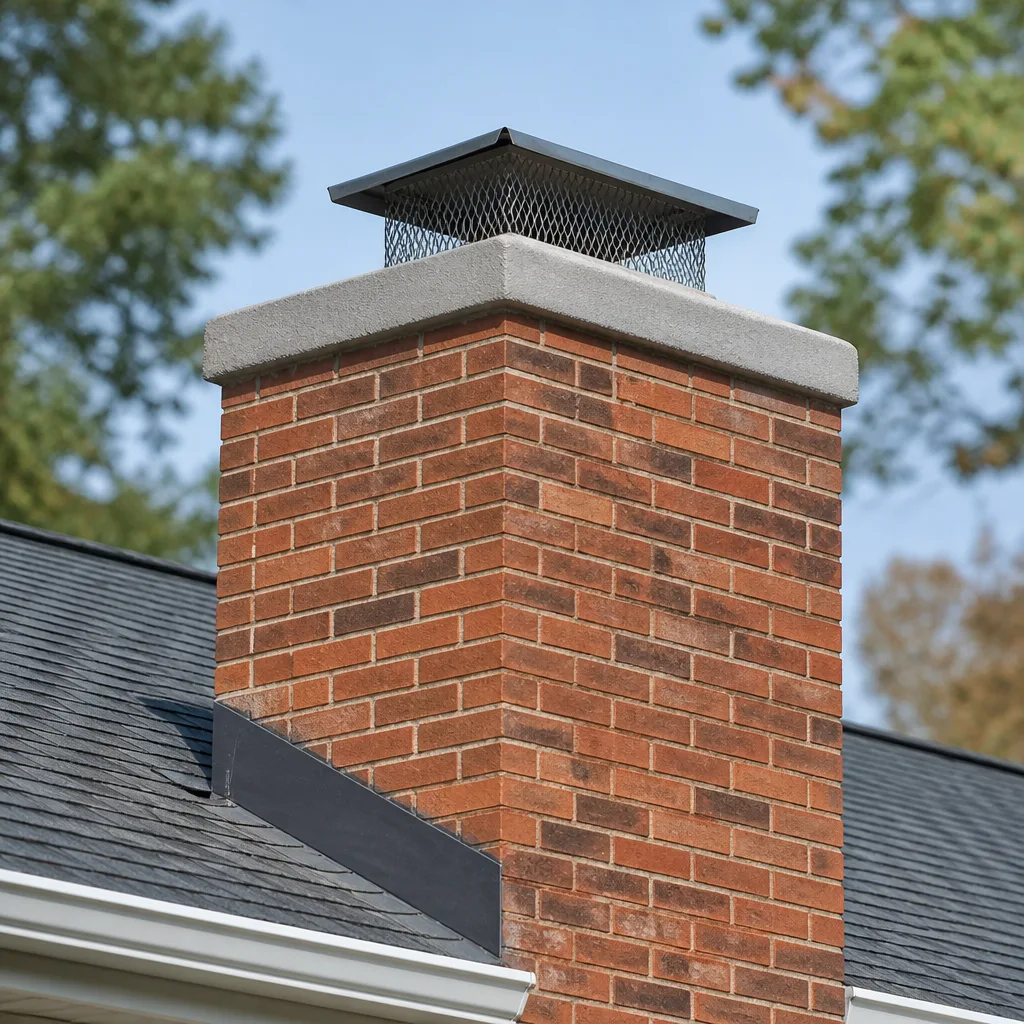 Caps & crowns
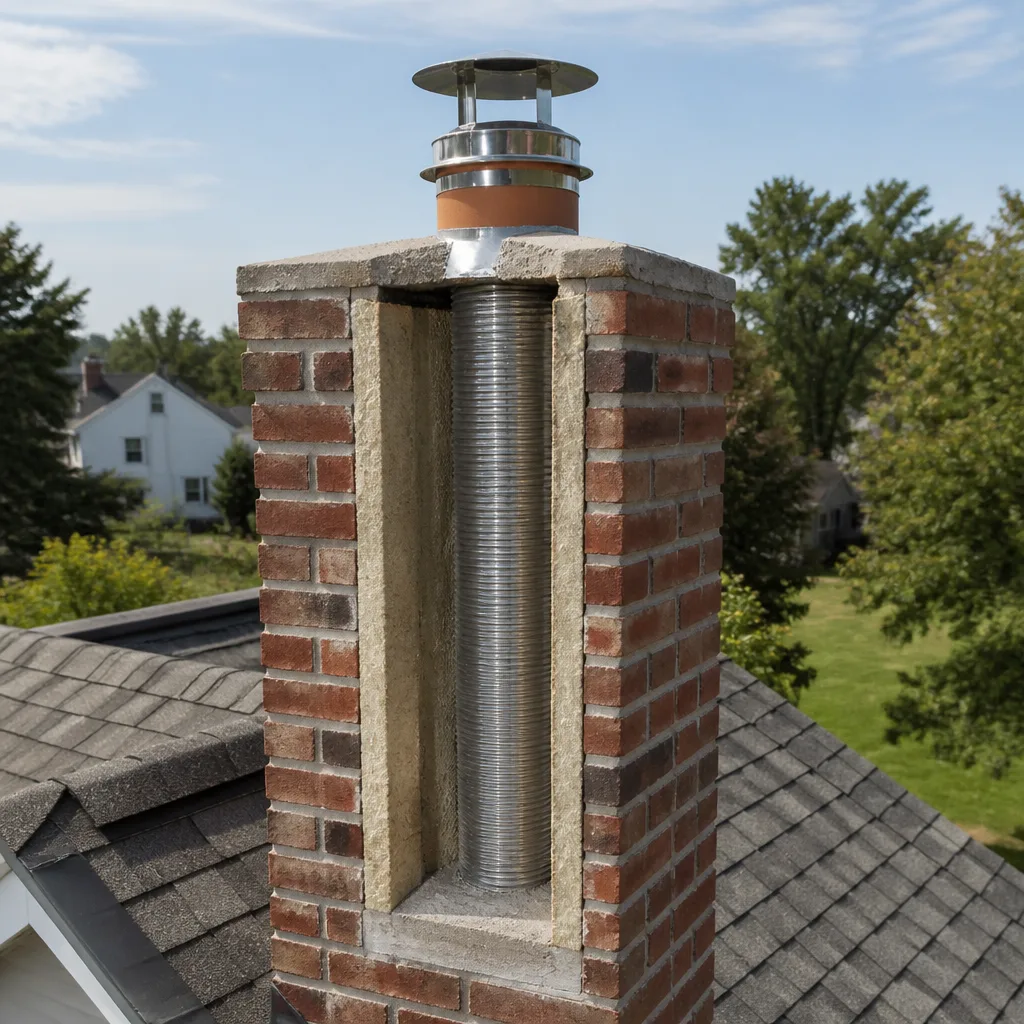 Flue relining
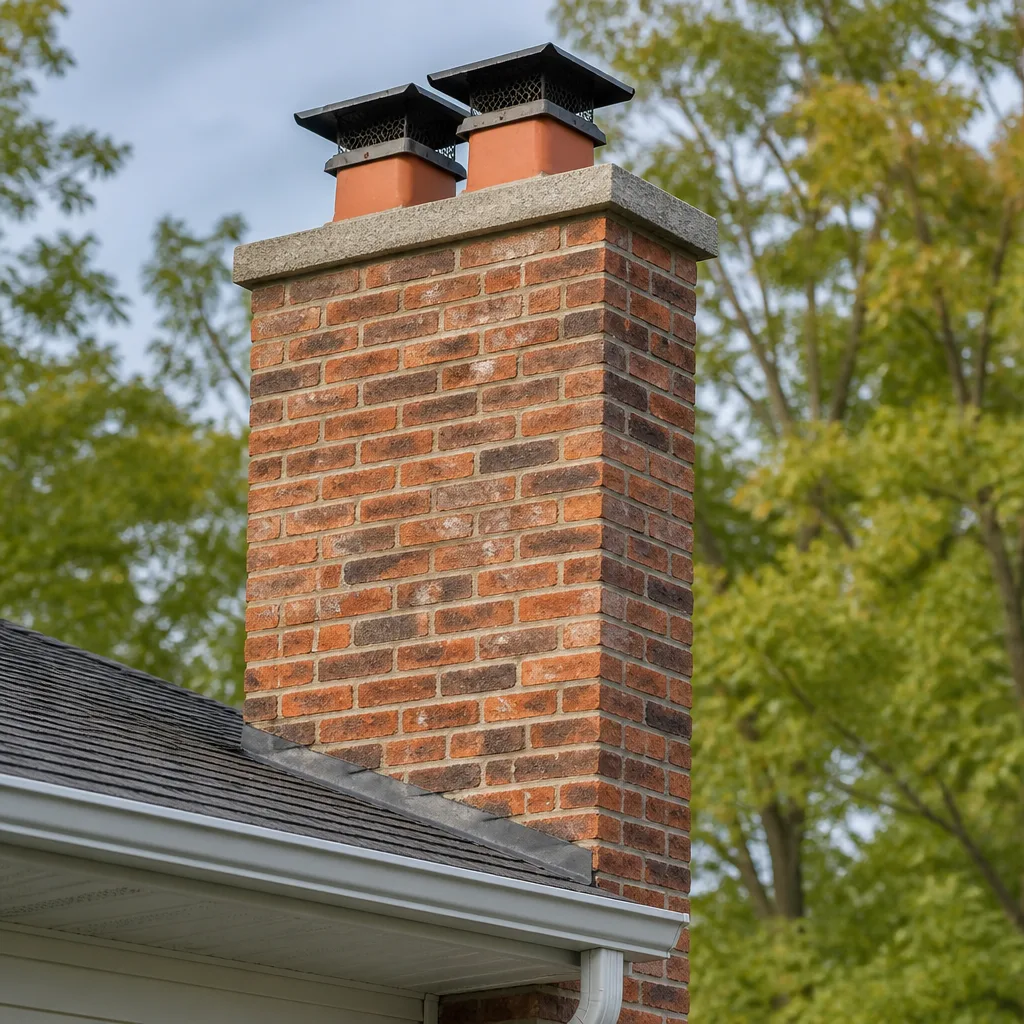 Masonry repair
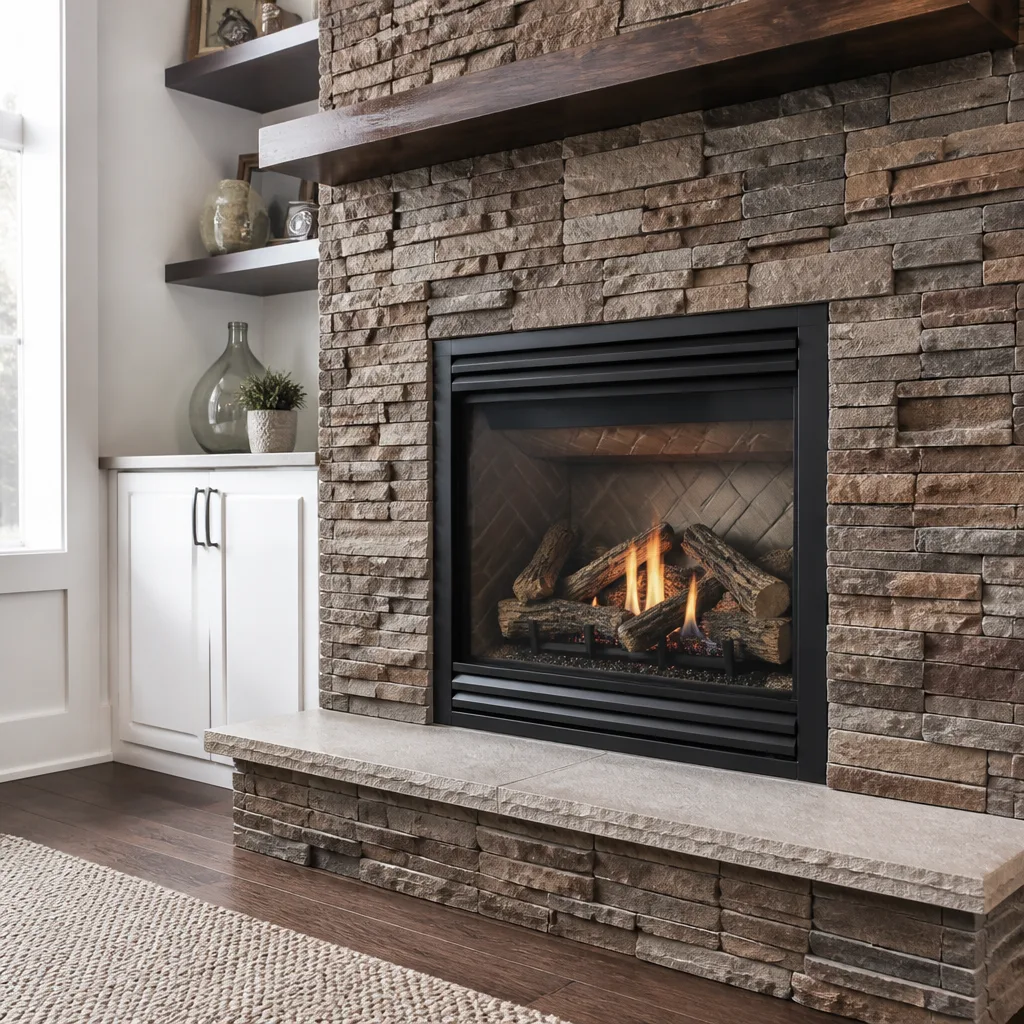 Gas fireplace service
Level 1 sweep and inspection to the NFPA 211 annual standard - flue, crown, cap, and flashing checked and photographed
Chimney sweep logs do not sweep chimneys. They loosen some creosote - which then falls where a brush and vacuum still have to collect it.
Choosing the Right Chimney Cleaning Brand: A Buyer’s Guide for Mar Vista
Two chimney crowns get coated on the same afternoon and look identical when the technician packs up. One was sealed with a hardware-store elastomeric caulk, the other with CrownCoat or a comparable professional masonry coating. The first winter rain cycle in Mar Vista will treat them very differently, and the contractor who did the work probably won’t volunteer which product went on your chimney unless you ask. That gap between what looks finished and what actually lasts is the subject of this guide. The brands and materials a chimney company chooses tell you more about how they work than any sales pitch. We’ll walk through the product lines that define the professional standard, explain what makes each one different from the bargain substitutes, and give you the exact questions to ask before you book.
Quick Answer
The right chimney cleaning brand is one that uses trade-recognized professional product lines for the work beyond sweeping: HeatShield or Fireguard for liner restoration, CrownCoat and ChimneySaver-class sealants for masonry, and stainless steel caps from names like Olympia Chimney or Gelco rather than generic galvanized hardware. A sweep-only operation that reaches for consumer-grade creosote removers and off-brand caulk is telling you they build for the lowest-cost job, not for durability. In Mar Vista’s mild, damp-winter climate, those material choices matter more than most homeowners realize.
Styles & brands we work with
- Sweep & inspection
- Caps & crowns
- Flue relining
- Masonry repair
- Gas fireplace service
Table of Contents
- Why Chimney Product Brands Matter More Than the Sweep Itself
- Creosote Treatment: Consumer Chemicals vs. Professional Formulas
- Crown and Masonry Sealants: The Professional Standard
- Liner Systems: HeatShield, Fireguard, and Stainless Relining
- Caps and Chase Covers: Stainless vs. Galvanized
- Questions to Ask a Contractor About Product Brands
- What Mar Vista’s Climate Means for Your Chimney
- Standalone Inspections and Documentation
Why Chimney Product Brands Matter More Than the Sweep Itself
The sweep is the part of chimney work that’s easiest to judge: either the flue is clear or it isn’t. The products used afterward are where quality diverges, and where most homeowners have no visibility. A creosote remover, a crown sealant, a liner system, and a chimney cap each have consumer-grade and professional-grade versions that look the same on the invoice. The consumer version usually fails first, and it fails quietly, months after the technician has left.
In Mar Vista, the failure mode isn’t fire and ice the way it is in mountain towns. Winters here are mild, and the bigger enemy is moisture that hangs around after our rainy season rather than anything that freezes. A crown that sheds water properly and a cap that keeps rain out of the flue do more for a Mar Vista chimney than almost any other single intervention. That’s why the sealant and cap brands a company carries are a genuine signal.
Three things separate a company that specs by quality from one that specs by margin:
- Named product lines. A professional will tell you exactly which liner system, sealant, or cap brand they use. Vagueness about materials usually means they buy whatever is cheapest that week.
- Trade-recognized systems. HeatShield, DuraFlex, Olympia Chimney, Gelco, and Famco are names chimney professionals across the country rely on. A company that names them is working inside the trade, not around it.
- Full-system capability. A sweep-only operation has little reason to invest in professional masonry sealants or liner restoration systems, because they don’t do the repair work those products exist for.
That last point is the one most homeowners miss. The products matter because the services behind them matter. A company that handles the full chimney system, from the routine chimney sweep through structural repair, has a reason to own the professional material questions. That’s the model we work from at Chimney Sweep Mar Vista, and it’s the model worth looking for wherever you are.
Creosote Treatment: Consumer Chemicals vs. Professional Formulas
Creosote is the tar-like residue left behind when wood burns incompletely, and it’s the leading cause of chimney fires in wood-burning fireplaces. Removing it safely depends on both the mechanical sweep and, when the buildup is stubborn, a chemical treatment. Here’s where consumer products and professional formulas part ways. The sodium hydroxide-based removers sold at hardware stores are weak by design; they’re formulated for light, fresh deposits and for safety in untrained hands. Professional formulas use higher concentrations of the same active chemistry, plus dwell-time and application protocols that a homeowner can’t easily replicate.
What matters for you isn’t the chemistry lesson. It’s the application method. A professional creosote treatment is only effective when three conditions are met:
- The right diagnosis. A technician determines the stage and thickness of the creosote first. First-degree creosote (light, flaky) usually comes off with a standard sweep. Second- and third-degree deposits, the glazed and hardened kind, need chemical treatment or more.
- Proper dwell time. Professional removers need to sit on the flue walls for a specified period, often days, before they break down the deposit enough to sweep clean. Skipping the dwell time means the treatment looks done but the creosote stays.
- A follow-up sweep. Chemical treatment is followed by a second mechanical sweep to remove what the formula loosened. A one-visit job that skips the follow-up hasn’t actually solved the problem.
If a Mar Vista contractor can’t explain how they handle glazed creosote, that’s your answer about their product knowledge. Ask whether they use professional-grade treatments and whether a follow-up sweep is included. The honest ones will walk you through the dwell time and come back without charging you twice for the diagnosis.
Crown and Masonry Sealants: The Professional Standard
The chimney crown is the concrete cap at the very top that sheds water away from the masonry below. When it cracks, water gets in, and the damage spreads down. The sealant used to repair or protect that crown is one of the clearest tells of whether a contractor is building for durability. CrownCoat, a flexible crown repair coating, and ChimneySaver Water Repellent, a breathable masonry sealer, are the two products you’ll hear named most often by professionals. Both are formulated to flex with the masonry as it moves, and to let moisture vapor escape from inside rather than trapping it.
A hardware-store elastomeric caulk does neither. It’s rigid, it cracks as the surface moves beneath it, and it can trap water against the masonry instead of letting it breathe. On the day of service it looks identical to the professional product. After a couple of Mar Vista wet seasons, it isn’t.
What correct application looks like when it’s done right:
- The crown is cleaned of loose material, dirt, and biological growth before anything is applied.
- Cracks are filled with a product designed for the purpose, not a general-purpose caulk.
- The coating goes on in the right number of coats, at the right thickness, with proper cure time between them.
- On badly deteriorated crowns, the honest recommendation is replacement, not another coating. We work with chimney cap & crown installation because a crown that’s structurally compromised can’t be sealed back into service.
Breathable masonry sealers like ChimneySaver matter for Mar Vista specifically. Our winters are mild but wet, and a chimney that can’t dry out from the inside will spall and crack from trapped moisture over time. A sealer that traps water in is worse than no sealer at all.
Liner Systems: HeatShield, Fireguard, and Stainless Relining
When a flue liner is cracked or deteriorated, you have two paths: restore it from the inside or replace it entirely. The right choice depends on the condition of the existing liner, and it’s the decision where a sales-focused company can push you toward the more expensive option. Here’s how the products sort out.
HeatShield and Fireguard are ceramic liner restoration systems. They work by applying a specially formulated refractory cement to the interior of a still-structurally-sound flue, sealing cracks and rebuilding a smooth, continuous surface. The advantage is that it’s far less invasive than a full reline and usually a fraction of the cost. HeatShield is the system we use for restoration, and it’s certified for application by trained technicians. It’s an option most sweep-only competitors simply don’t offer, because they haven’t invested in the training and equipment.
DuraFlex is a stainless steel flexible relining system, and it’s the standard when the existing flue is too damaged for restoration. A stainless liner is effectively a new chimney inside your chimney. It’s appropriate when:
- The existing liner is missing, severely deteriorated, or has gaps that restoration can’t bridge.
- You’re changing fuel types, such as moving a wood fireplace to a gas insert that needs a properly sized flue.
- An appliance is being added that requires a liner sized for its specific venting needs.
The decision between restoration and relining should always come down to documented condition, not a contractor’s preference. That’s why we photograph the flue interior before recommending either. You should see the same evidence your contractor sees.
Off-brand stainless liners exist, and they’re cheaper for a reason. The steel gauge is thinner, the seams are welded less carefully, and the warranty is often thin or nonexistent. DuraFlex and comparable trade lines are what a professional reaches for because the whole point of the work is a liner that outlasts the next round of repairs.
Caps and Chase Covers: Stainless vs. Galvanized
The chimney cap is the simplest piece of protection on the whole system and the one most often done with the cheapest available hardware. A cap keeps rain, animals, and debris out of an open flue. It also influences draft, which affects how cleanly your fire burns. Two choices matter: the metal and the fit.
Stainless steel caps from manufacturers like Olympia Chimney and Gelco hold up far longer than galvanized steel. Galvanized caps are cheaper and lighter, and they rust out. In Mar Vista’s mild, wet climate, a galvanized cap will typically show its first significant corrosion well before a stainless one. Since a cap is only worth anything while it’s intact, stainless is the professional standard for any chimney that’s actually in service.
Fit matters as much as metal. A single-flue cap fits one flue top and is sized to the flue’s dimensions. A multi-flue cap covers a chimney with two or more flues under one housing, and it needs to be sized for the whole footprint. A cap that’s too small lets rain in around the edges; one that’s too large creates draft problems and looks wrong. On a chase cover, the metal needs to be the right gauge to hold its shape and shed water, not the thin stamped steel that dents under a squirrel.
We install Olympia Chimney and Famco caps and covers, and we carry the sizes needed so the selection and installation happen on the same visit rather than a quote-then-order process. If you’ve ever waited weeks for a special-ordered cap, you know why that matters. A cap that arrives six weeks later has been six weeks of rain entering an open flue.
Questions to Ask a Contractor About Product Brands
You don’t need to become a chimney materials expert to hire well. You need a short, specific set of questions that separate a technician who specs by quality from one who specs by margin. Ask these before you book, and listen for the answers.
- “Which liner system do you use for restoration, and are you trained on it?” A professional names the system (HeatShield, for instance) and confirms their technicians are certified to apply it. Vague answers are a warning.
- “What brand of crown sealant do you use?” If they name CrownCoat, ChimneySaver, or an equivalent professional coating, they’re working from a trade standard. If they say “a good masonry sealant,” ask for the name.
- “Are your caps stainless steel? Which manufacturer?” Olympia Chimney and Gelco are known names. “Stainless” without a brand deserves a second question.
- “Do you carry the caps, or do you order after the inspection?” A company that stocks caps installs them on one visit. A company that orders after means a second trip and a gap where the flue is open.
- “Will you show me photos of the flue interior before recommending repair?” Camera inspection with a photo report is the baseline for any recommendation beyond a sweep. If you can’t see it, don’t authorize it.
- “Do you do the repair work yourselves, or sub it out?” A company that handles its own repair work has reason to invest in professional materials. A company that subs out the repair has no stake in what the sub uses.
The best single question might be the simplest: “Can you walk me through what product goes on my crown and why?” A knowledgeable technician has a real answer. A sales-first company has a talking point. That difference is worth everything you’re paying for.
What Mar Vista’s Climate Means for Your Chimney
Mar Vista sits in one of the milder pockets of Los Angeles, and that shapes what chimney problems actually look like here. You’re not going to see the deep freeze damage that ruins chimneys in colder parts of the country. What you will see is moisture-driven wear: crowns that shed water poorly, masonry that’s absorbed too much after the winter rains, and caps that give up on keeping the flue dry. That’s the local reality.
The practical implications for Mar Vista homeowners:
- Water management is the top priority. A properly sealed crown and a well-fitted cap do more for the longevity of a Mar Vista chimney than almost any other single intervention. If your crown is cracked or your cap is missing, that’s where the money should go first.
- Wood-burning fireplaces get seasonal use. Even in a mild climate, a Mar Vista fireplace that burns through the cooler months accumulates creosote that needs to be cleared at least once a year, more often with heavy use.
- Gas fireplaces need attention too. A gas fireplace doesn’t produce creosote the way wood does, but it still needs periodic inspection and cleaning of the venting, and gas fireplace components wear. Our fireplace repair service handles both.
- Damp winters reward breathable materials. That’s why we insist on breathable masonry sealers rather than anything that traps water against the surface. In a mild, wet climate, trapping moisture in is the fastest way to shorten a chimney’s life.
If you’ve ever been told by a general handyman that your chimney “needs work” without being shown why, that’s exactly the situation this climate invites. Moisture damage is real and worth addressing. But it’s also easy to over-diagnose if the contractor has more tools than knowledge. A chimney specialist with the right product lines can show you the actual condition and tell you plainly when work can wait.
Standalone Inspections and Documentation
A chimney inspection is a distinct service from a cleaning, and it’s one worth knowing about whether you’re buying a home, selling one, or just want a baseline reading on a chimney you’ve never had checked. A formal inspection documents the condition of the flue, the crown, the cap, and the firebox, and it’s the piece of paper you hand to an insurance company, a buyer, or a real estate agent when they ask.
How a standalone inspection usually works:
- You book it as its own service, separate from a cleaning. This matters for real estate transactions, where a seller or buyer wants documentation on a specific date, and for insurance requirements that specify what must be inspected.
- The technician inspects the full system: flue condition, crown, cap, firebox, and any visible exterior or interior damage.
- You receive a written report with photos. The report tells you what’s fine, what needs attention, and what the options are.
- Repairs, if any, are quoted separately. An inspection should never be a pressure sale for repairs. A good inspector tells you what can safely wait.
In Mar Vista, standalone inspections come up most often around real estate closings and insurance documentation. They’re also worth scheduling ahead of burning season if you’ve never had a full evaluation. A cleaning alone won’t tell you your liner is cracked. An inspection will. We handle inspections as a standalone service so that the documentation and the cleaning stay separate, which is what most third parties actually want to see.
Common Mistakes to Avoid
- Hiring on price alone for anything beyond a sweep. A cheap sweep that uses consumer-grade sealants and no camera inspection costs more over time than a professional job, because you’re paying twice. Ask what’s actually included before comparing quotes.
- Accepting a repair recommendation without seeing the evidence. If your contractor says your liner is cracked, ask for the photo. If they can’t show you, don’t authorize the work. This is the single mistake we see most often.
- Letting a general handyman do chimney work. Chimney repairs require specific product systems and training (HeatShield application, stainless liner sizing) that a generalist simply doesn’t have. A handyman calling himself a chimney expert on a Saturday afternoon is a red flag.
- Skipping the crown. A cracked crown lets water straight into your masonry, and in our wet winters that water causes more damage than fire does. If your crown is cracked, seal or repair it before the next rainy season.
- Installing a galvanized cap to save a few dollars. It’s cheaper today and it rusts out sooner. On a Mar Vista chimney, stainless is the right call.
- Confusing an inspection with a cleaning. A cleaning clears the flue. An inspection documents its condition. If you’re buying or selling a house in Mar Vista, you want the inspection, and you want it in writing.
- Believing a sales pitch with no product names in it. If your contractor talks about “premium materials” without naming the product, the premium is in the price, not the material.
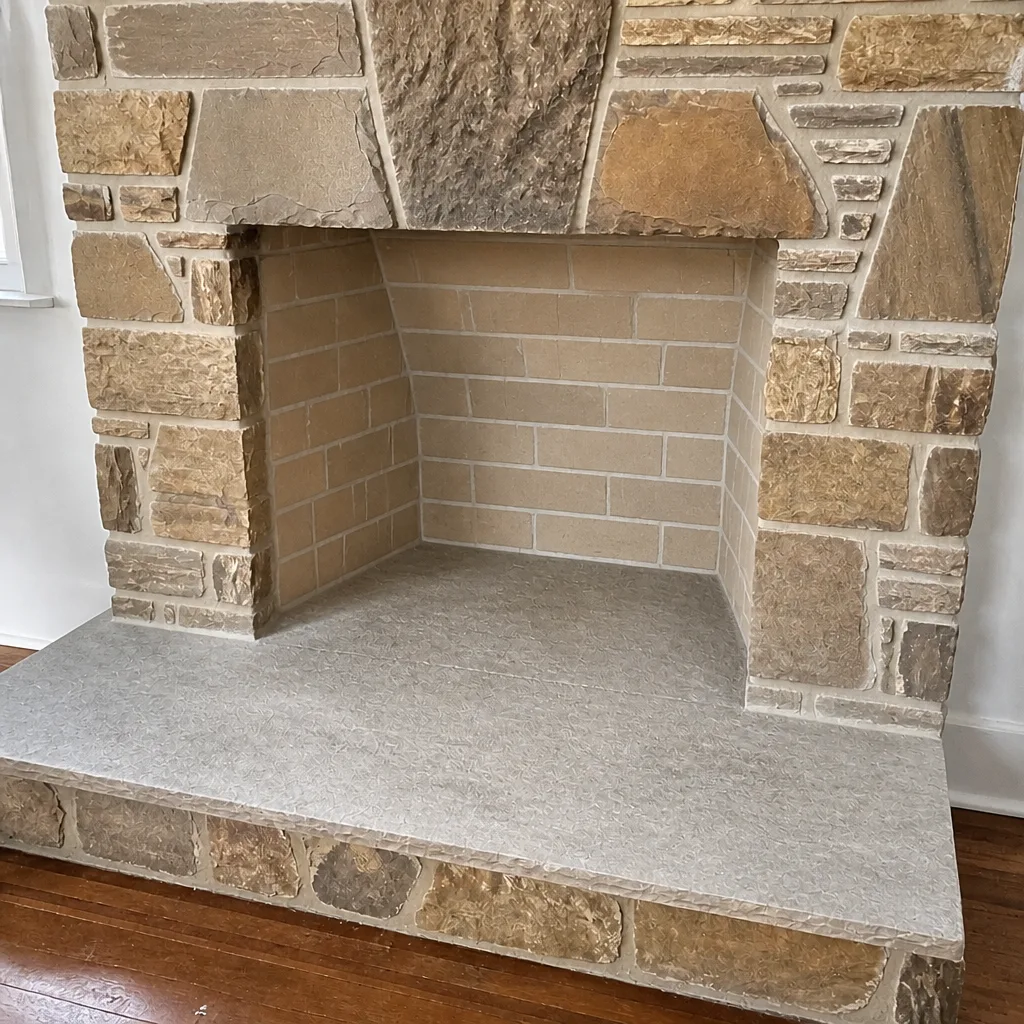
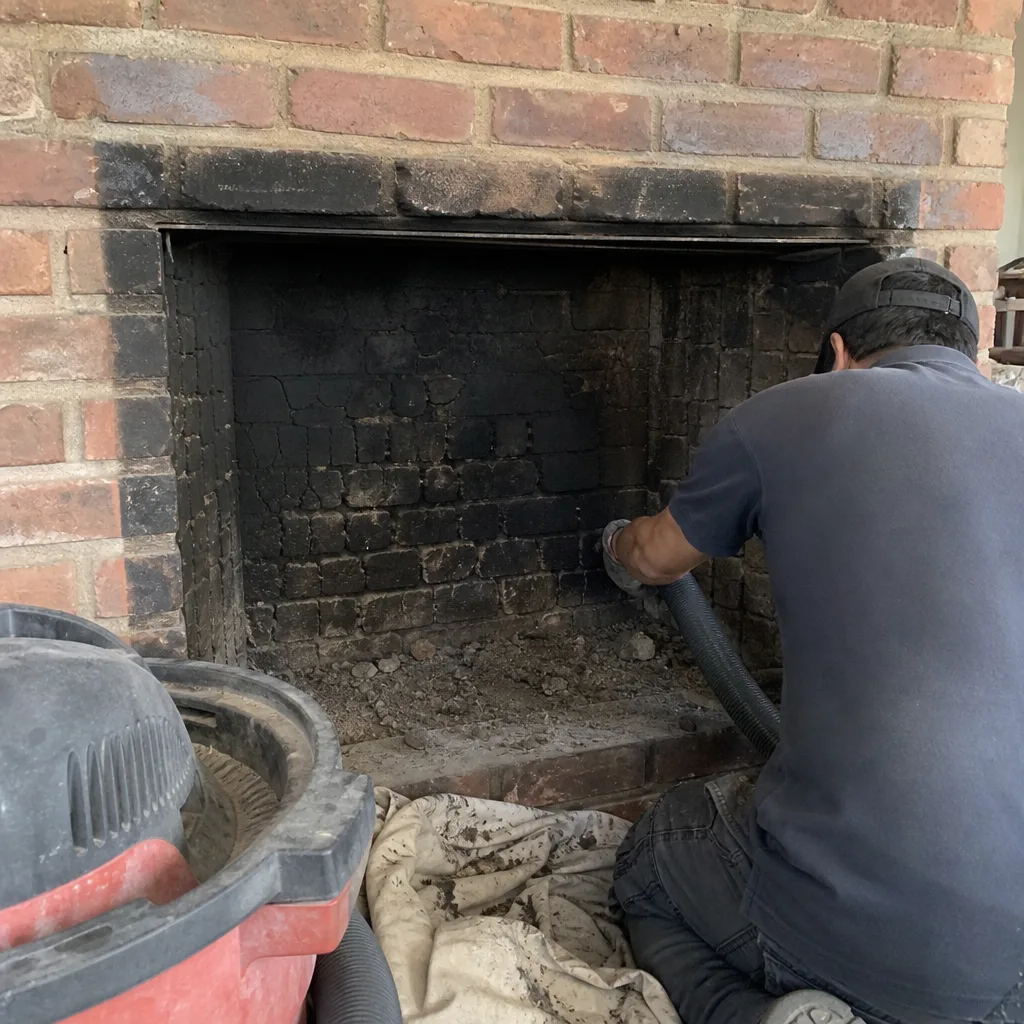
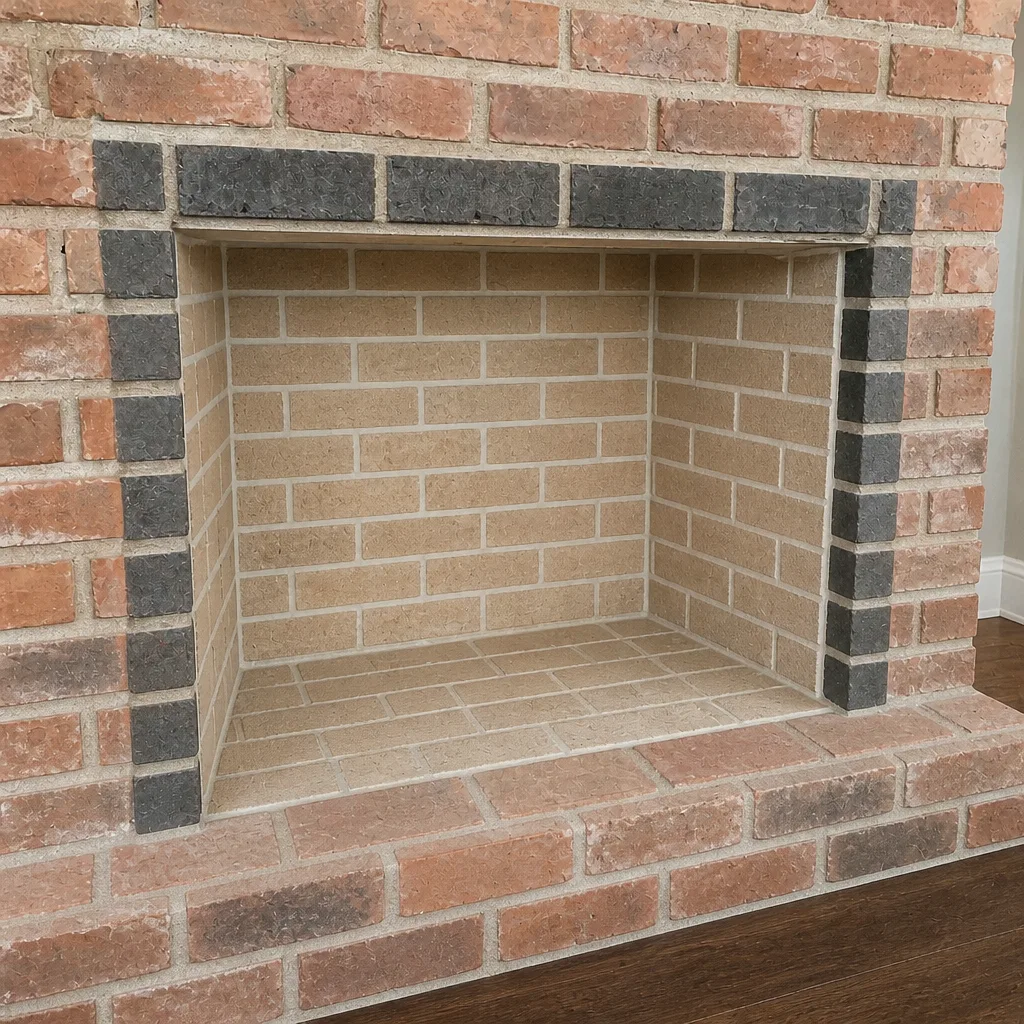
See the difference
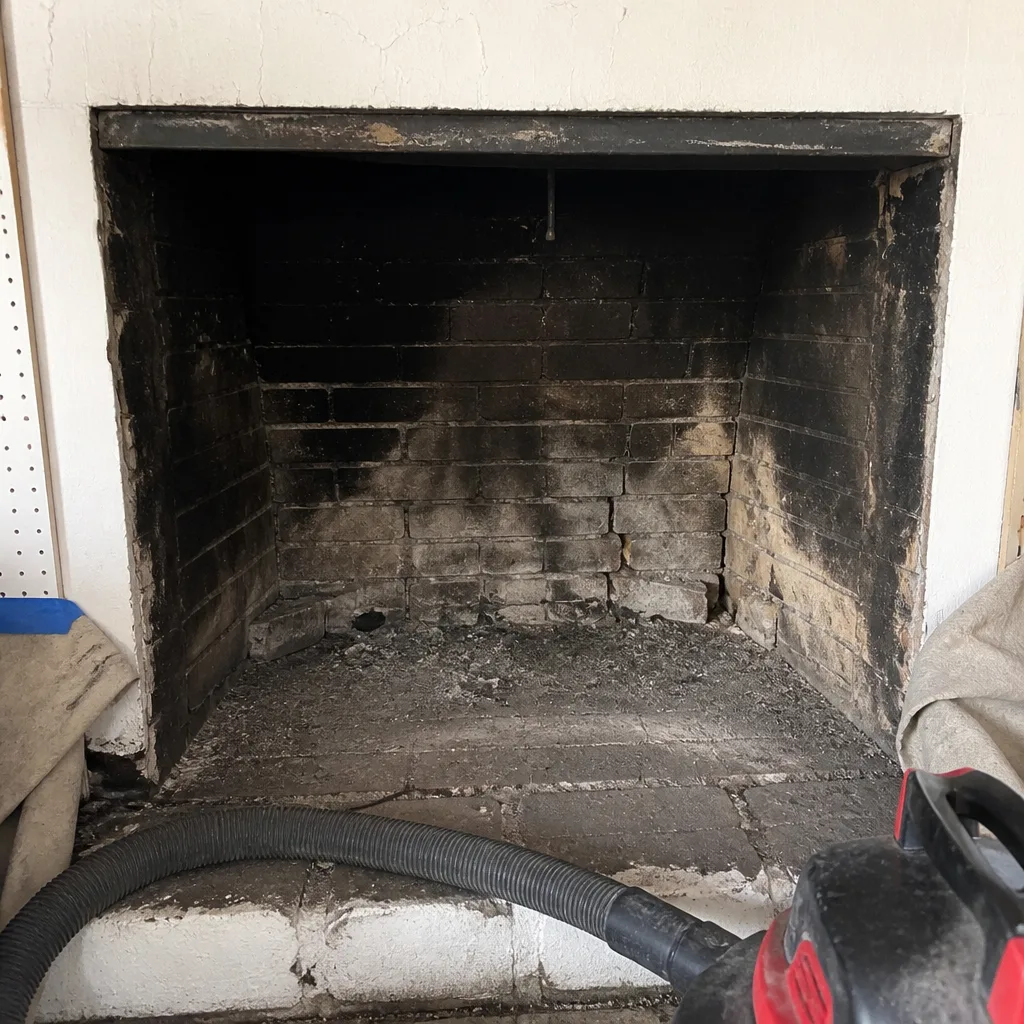 Before
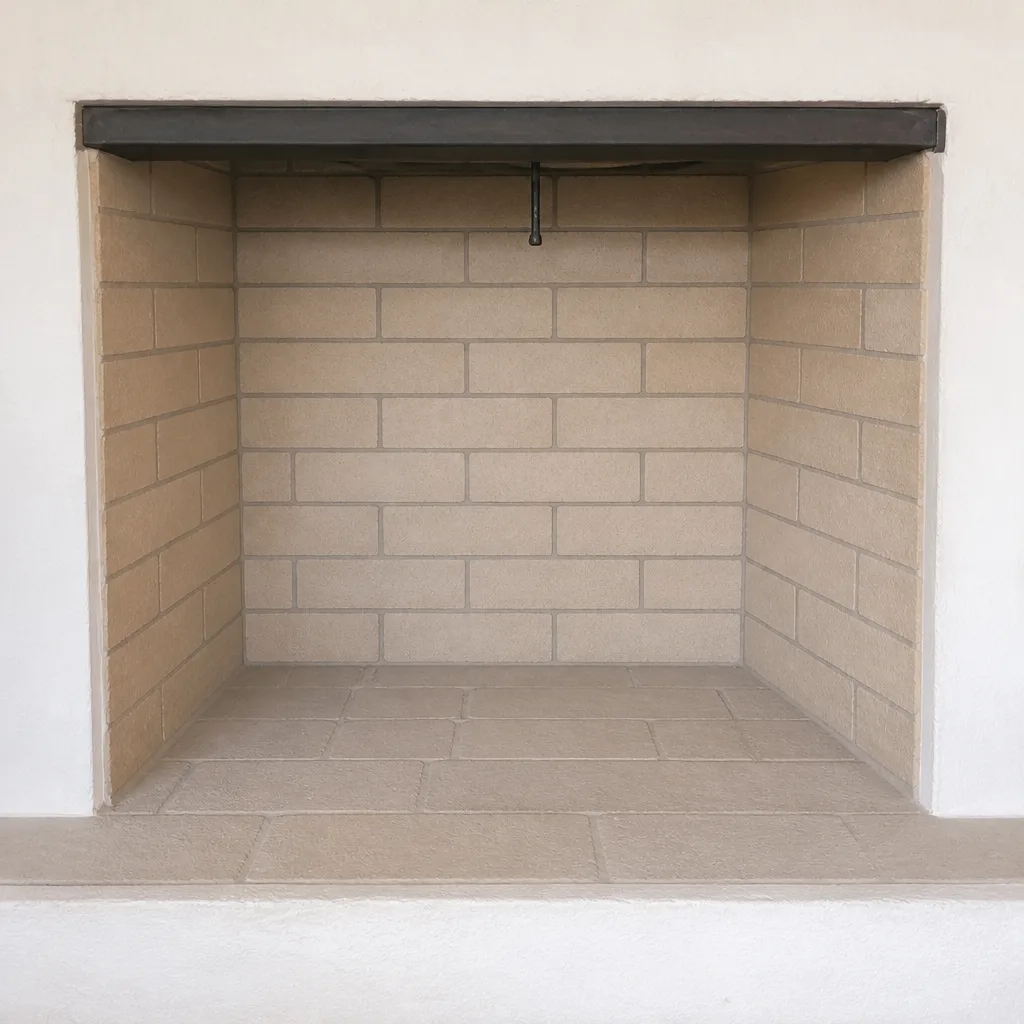 After
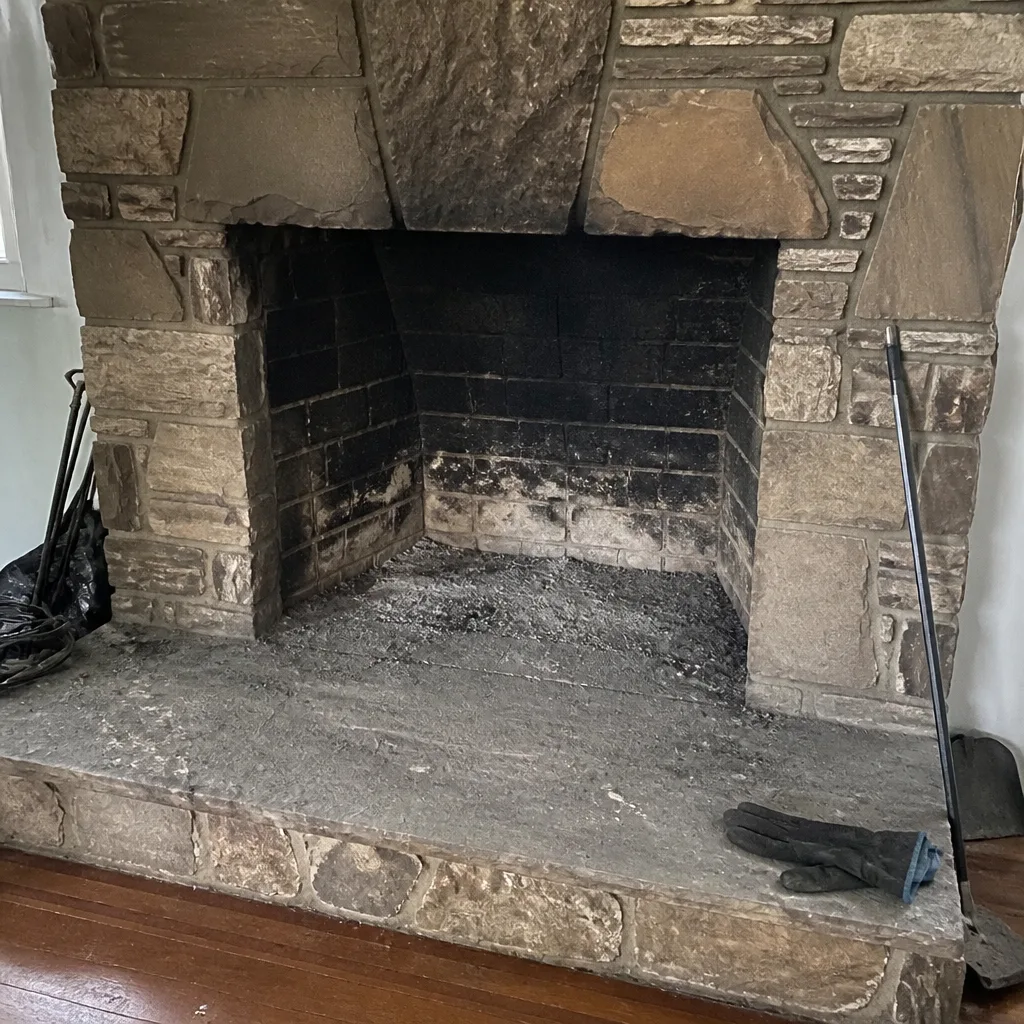 Before
 After
 Before
 After
When to Call a Professional
If you haven’t had your chimney swept in the past year and you burn wood regularly, it’s time. If your crown is visibly cracked, if your cap is missing or rusted, or if you’ve noticed water staining around the firebox, those are all jobs for a chimney specialist with the right product lines. Before burning season, after a move into a new home, and any time a repair has been recommended without evidence, it’s worth a call. We handle the full system, from cleaning through cap, crown, chimney cap & crown work, and liner restoration, so a specialty chimney company handles the whole job rather than sending the repair out. Chimney Sweep Mar Vista offers free estimates in Mar Vista. Call (855) 337-2073 to book.
Frequently Asked Questions
Most chimney sweeps in the Mar Vista area are priced per job by written estimate, and the estimate is free. The cost depends on the condition of the flue, the amount of creosote, and whether a camera inspection is included. We give a flat-price estimate agreed before booking, and the written estimate sets the final price. Call (855) 337-2073 for an exact quote.
Not always. Many flues with minor cracking can be restored with HeatShield or a similar ceramic system rather than relined entirely, and that’s less invasive and less expensive. The honest answer depends on what’s inside your flue, so ask to see the camera evidence before authorizing either. A technician who won’t show you the photos isn’t giving you a recommendation, they’re giving you a sales pitch. Call (855) 337-2073 to schedule an inspection.
A wood-burning chimney should typically be swept once a year, and more often if you burn heavily or notice slower draft or a strong creosote smell. A gas fireplace has different maintenance needs but still benefits from periodic inspection. The old rule of thumb about frequency isn’t a substitute for an annual check. Call (855) 337-2073 for an exact quote on a sweep.
Skipped sweeps let creosote accumulate, and creosote is the leading cause of chimney fires. In our mild, damp Mar Vista winters, skipping also lets moisture work on the crown and masonry, which causes damage that often outweighs what a sweep would have cost. A cleaning is the cheapest piece of chimney maintenance you can buy. Call (855) 337-2073 for a free estimate.
Yes, and you should ask every contractor you consider. We work with trade-recognized product lines including DuraFlex, HeatShield, Gelco, Olympia Chimney, Famco, and Copperfield, and we use HeatShield for ceramic liner restoration. If a contractor can’t name the brands they use, that’s information you want before booking, not after. Call (855) 337-2073 to ask us directly.
Crews dispatch Sunday through Friday, 7am to 7pm, and we’re closed on Saturday. Call (855) 337-2073. We answer 24/7, and fast dispatch runs 7am to 7pm Sunday through Friday. The urgency for chimney work is seasonal, not hourly, so the right move is to book before burning season rather than wait for a problem.
The Bottom Line
The brand choices a chimney company makes tell you whether they’re building for durability or for the cheapest possible job. In Mar Vista’s mild, wet climate, moisture management is the priority: a properly sealed crown, a stainless cap, and a liner that’s either restored with HeatShield or relined with DuraFlex. Ask about Creosote treatment protocols, masonry sealants, liner systems, and cap brands before you book, and insist on seeing camera evidence before any repair recommendation is authorized. We work with trade-recognized product lines and handle the full system, from sweeping and inspection to cap, crown, and fireplace work. Call (855) 337-2073 for a free estimate. Our technicians have up to 12 years of experience, and the written estimate sets the final price.
Written by the team at Chimney Sweep Mar Vista.