
Last updated November 22, 2026
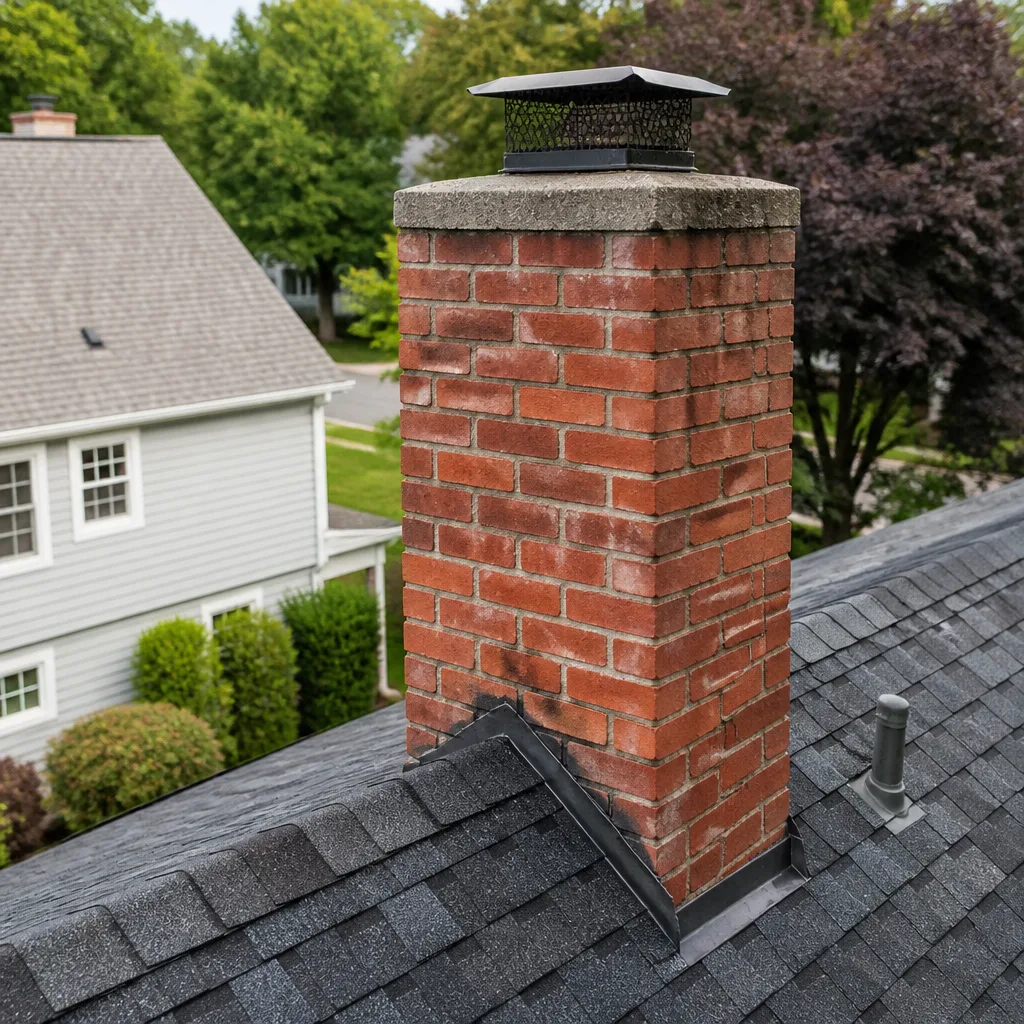 Sweep & inspection
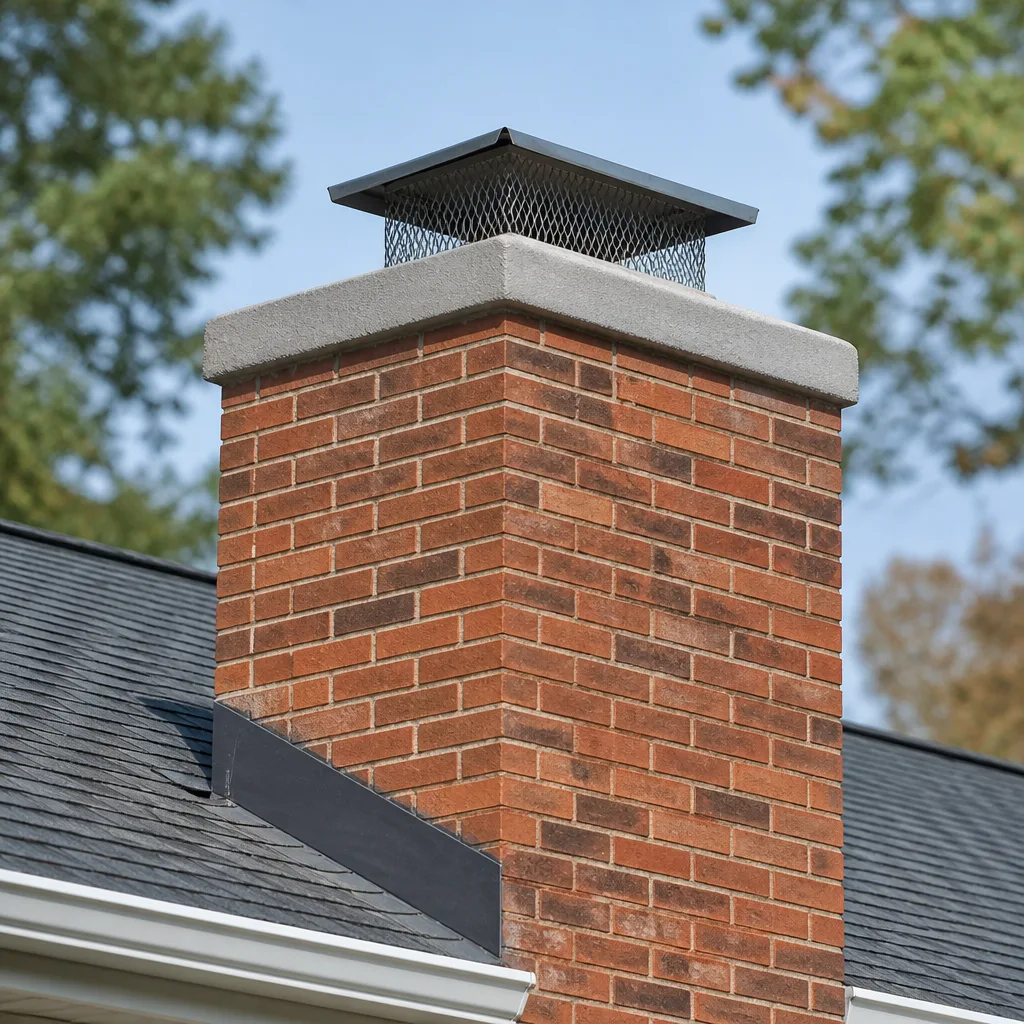 Caps & crowns
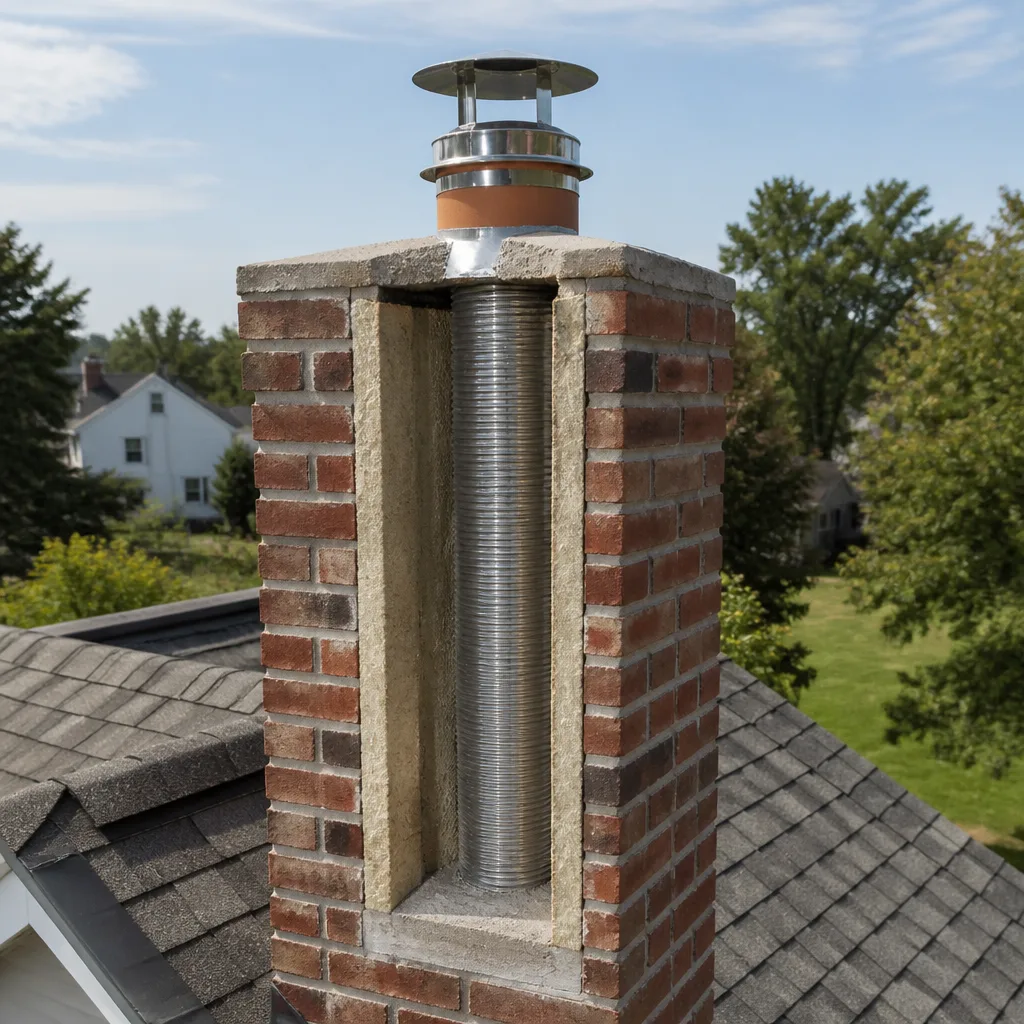 Flue relining
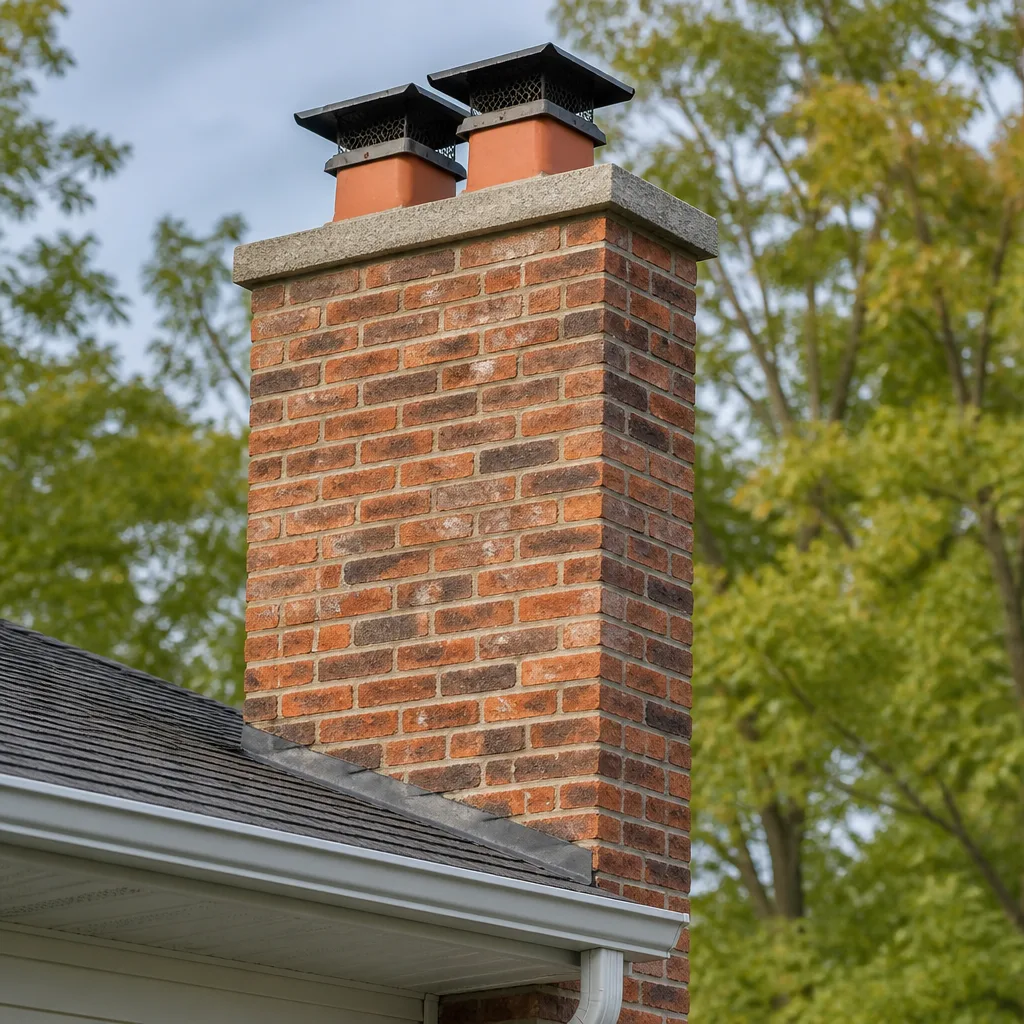 Masonry repair
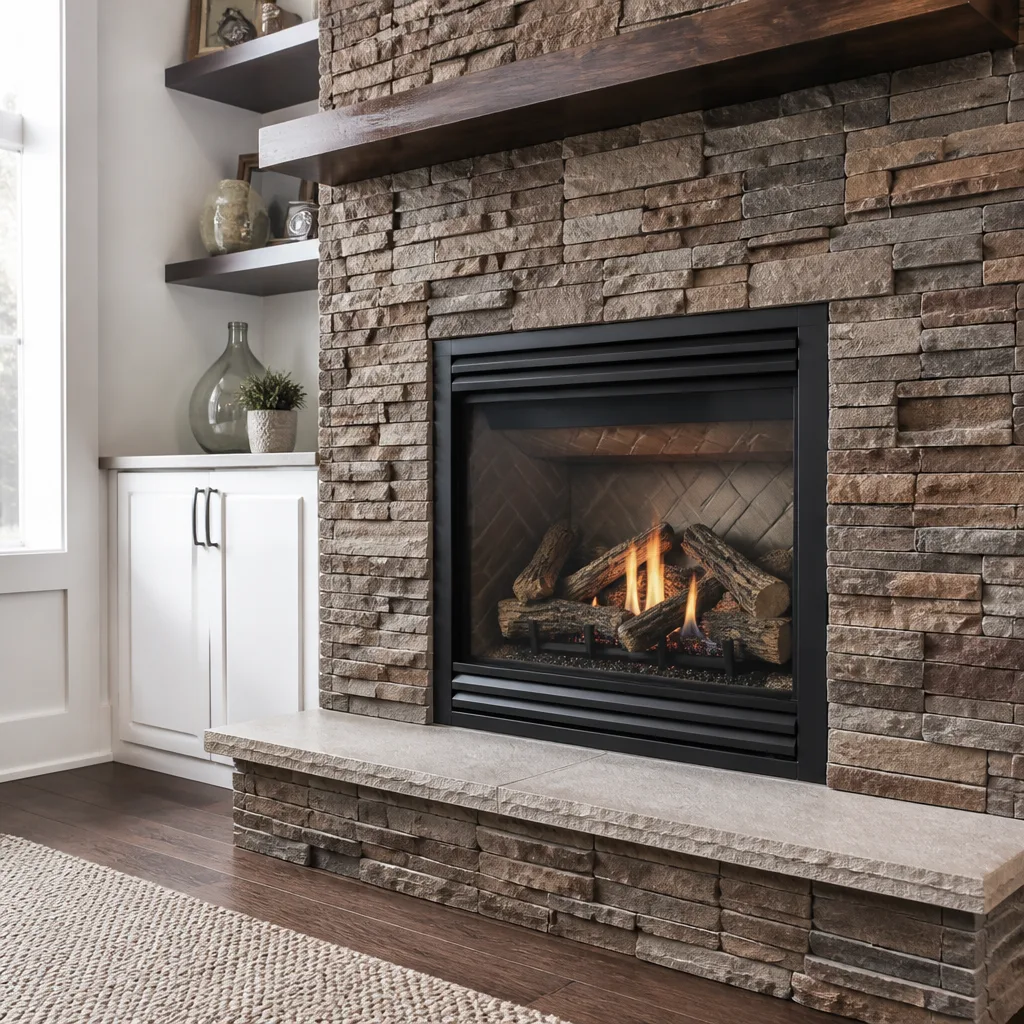 Gas fireplace service
Level 1 sweep and inspection to the NFPA 211 annual standard - flue, crown, cap, and flashing checked and photographed
Chimney sweep logs do not sweep chimneys. They loosen some creosote - which then falls where a brush and vacuum still have to collect it.
DIY vs Professional Chimney Cleaning: The Mar Vista Homeowner’s Decision Guide
You can physically sweep a chimney yourself. A brush, some rods, a ladder, and an afternoon will get creosote off the flue walls. But the sweep is only part of what a professional service delivers. The rest is the diagnostic read: the camera inspection, the draft measurement, the look at the smoke chamber and the cap seal that tells you whether the system is actually safe to light. That gap matters more in a place like Mar Vista, where mild winters mean fireplaces sit unused for months and problems hide quietly. This guide draws the line between what you can reasonably do and what you’re giving up when you skip the pro.
Quick Answer
DIY chimney cleaning is worth doing only as light maintenance between professional visits: ash removal, exterior visual checks, damper testing. A full sweep plus a Level 1 inspection with a camera cannot be replicated with consumer tools, and that inspection is what gives a cleaning its safety value. For most Mar Vista homeowners, a professional sweep and inspection once a year is the right call, with basic upkeep in between.
Styles & brands we work with
- Sweep & inspection
- Caps & crowns
- Flue relining
- Masonry repair
- Gas fireplace service
Table of Contents
- What a DIY Sweep Actually Accomplishes
- What a DIY Sweep Can’t Assess
- The Tools That Separate Professional Inspection From DIY
- Where DIY Maintenance Between Inspections Makes Sense
- The Liability Calculus: Written Reports and Insurance
- Honest Cost Comparison Over Three Years
- Why Mar Vista Chimneys Need Eyes On Them
- Common Mistakes to Avoid
What a DIY Sweep Actually Accomplishes
A brush-and-rod sweep does one thing well: it removes loose soot and the soft, crumbly stage of creosote from the straight run of the flue. If your fireplace has been burning clean, dry wood and the flue is a simple straight pipe, a homeowner with the right brush can knock down a fair amount of surface buildup. That’s real work, and it’s not nothing.
What that brush stroke actually leaves behind is the part most guides skip. Creosote comes in stages, and the later ones are the ones that cause chimney fires. Stage one is soot and flaky ash. Stage two is hard, shiny, and bonded to the flue wall. Stage three is a thick, tar-like glaze that a brush slides right over. A homeowner without a camera cannot see which stage is sitting above the damper, because you can’t see up a dark flue from the firebox floor.
Here’s what a basic DIY sweep typically covers:
- Loose soot and ash from the straight flue run above the firebox
- The firebox floor and the base of the flue opening
- Damper surface soot, if you can reach it
And here’s what it usually leaves untouched:
- Offsets and bends in the flue, where deposits collect in pockets
- The smoke chamber, the sloped space above the damper that’s the single most overlooked creosote trap in a residential chimney
- The chimney cap and the screen, which clog with debris and stop drafting
- The crown, where hairline cracks let water into the structure
- Liner integrity, which you can’t judge without eyes on it
For a Mar Vista homeowner with a fireplace that gets used a few dozen evenings a year, a DIY brush pass will make the flue look cleaner. It won’t tell you if the liner behind it is cracked. That’s the honest ceiling of what a brush can do.
What a DIY Sweep Can’t Assess
The health of a chimney comes down to five things: liner condition, cap seal, smoke chamber, hidden creosote in offsets, and draft. Every one of those is invisible to a homeowner standing at the firebox with a brush. This is the section where the DIY-versus-professional question actually lives.
Liner cracks. A clay tile liner is meant to contain heat and combustion gases. Over years of heating and cooling, tiles can crack at the joints or along the length. A crack lets heat reach the surrounding framing and lets carbon monoxide leak into the house instead of up the flue. You can’t see a hairline crack without a camera.
Cap seal. A chimney cap does two jobs: it keeps rain and animals out, and it keeps sparks in. If the cap has come loose from the flue, or the screen is bent and rusted, water gets in, birds and squirrels nest, and the draft changes. That’s an exterior visual check, but a homeowner who doesn’t know where to stand won’t spot a loose cap from the ground.
Smoke chamber condition. The smoke chamber is the sloped funnel between the damper and the flue. It’s usually rough-surfaced and a magnet for creosote. Sweep-only operations often skip it entirely. Professionals who handle full chimney work, including liner restoration with HeatShield, know to look at it because it’s a common source of smoky fireplaces.
Hidden deposits in offsets. If your flue bends to get around a structural element, creosote can collect at the shoulder of the bend. A brush passes through. A camera catches what’s sitting there.
Draft. A draft that’s always been a little lazy can be a symptom of a blocked flue, a bad cap, or a chimney that’s too short for the house. None of that is visible from the hearth.
We’ve seen fireplaces in Mar Vista that looked clean at the firebox and had plenty of buildup above the damper because nobody had put a camera up there. That’s not a reason to panic. It’s a reason to know what you’re looking at.
The Tools That Separate Professional Inspection From DIY
The reason a professional sweep is worth paying for isn’t the brush. It’s the diagnostic kit that comes with it. These tools aren’t consumer products for good reason: they require training to interpret, and misreading them is worse than not having them at all.
- Flue camera. A specialized video scope with a light head that feeds a live picture to a monitor. It lets the technician see the full liner, the joints, the smoke chamber, and the cap from below. It’s also what produces the photo record that goes into your inspection report.
- Draft gauge. A hand-held instrument that measures the pressure differential in the flue. It confirms whether the chimney is pulling properly or whether the smoke is more likely to back into the room.
- Combustion analyzer. For gas and wood appliances, it reads the byproducts of combustion and tells the technician how the appliance is actually burning. That’s carbon monoxide territory, and it’s the kind of measurement a homeowner cannot replicate safely.
- Rotary brush heads and specialized rods. Professional sweeps use power-driven brushes with the right stiffness for the flue type, so they can clear hard stage-two creosote without damaging the liner.
- Inspection checklist and camera documentation. A Level 1 inspection is a defined protocol. It ends with a written report and photographs, which is the part most homeowners don’t realize is included until they need it.
A chimney is not a place to test your diagnostic instincts. If you want to know what’s going on up there, the answer is a camera and someone trained to read it. That’s why we do chimney sweep work with a camera inspection and photo report included, not as an upsell.
Where DIY Maintenance Between Inspections Makes Sense
Now the fair side of the ledger. There’s plenty a Mar Vista homeowner can responsibly do between professional visits, and doing it well extends the life of the system and makes each inspection more useful. The line is simple: you handle surfaces you can see and reach; the pro handles what’s inside the flue.
Here’s what makes sense for a homeowner to handle:
- Light ash removal from the firebox once the ash bed gets deep. Leave an inch of ash as a bed; empty the rest.
- Exterior visual checks from the ground: is the cap sitting straight? Is the crown intact? Is there staining on the chimney’s brick or siding? Any of these is a reason to schedule an inspection.
- Damper operation testing. Open and close the damper a few times before burning season. If it sticks or doesn’t close fully, get it looked at.
- Annual glass and firebox cleaning on a wood or gas insert, following the manufacturer’s instructions.
- Keeping the firewood dry and away from the house. Wet wood and debris near the chimney are a classic source of trouble.
If those sound like basic housekeeping, that’s because they are. There’s nothing heroic about a homeowner emptying an ash pan or looking at a chimney cap from the driveway. The pro service picks up where that stops.
For what it’s worth, we also do fireplace repair and chimney cap & crown work, because a lot of the issues a homeowner spots during those visual checks are fixable on the same visit as a sweep if you book the right company. That’s the “one call covers cleaning, inspection, and repair” advantage of a specialty chimney company over a general handyman.
The Liability Calculus: Written Reports and Insurance
If a chimney fire happens, or you file a claim related to the fireplace, the paper trail matters. An insurance adjuster is going to ask when the chimney was last serviced and what the condition was. A written inspection report with photos answers that question cleanly. A homeowner’s own brush pass doesn’t, because there’s no record of what was seen or when.
This comes up most often in three situations:
- Buying or selling a home in Mar Vista. A real estate transaction usually turns on documentation. A standalone chimney inspection with a written report is what the buyer’s agent and the lender want to see. We perform standalone inspections separate from a cleaning appointment for exactly this purpose.
- Insurance requirements. Some policies require proof of periodic maintenance. A documented inspection satisfies that without argument.
- A second opinion. If another service told you the chimney needs substantial work, a written inspection with photos is what you need to know whether that’s accurate.
There’s a deeper point here about what a professional inspection report actually protects. It doesn’t just protect against a claim denial. It tells you, in writing and with photographs, what the condition of the system is, so you know what’s safe to burn and what isn’t. That’s the reason we treat inspection as a service in its own right, not a kicker at the end of a sweep.
One more thing: if you ever need to file a claim, an inspection report is something your insurer can work with. It’s not something that guarantees an outcome, and we don’t describe it that way. But it’s a documented record, and that’s the most you can reasonably expect.
Honest Cost Comparison Over Three Years
The cost question is where most DIY chime-in gets sloppy. A $60 brush kit sounds like it beats a professional sweep until you add up what a homeowner actually spends over three years, and what they still don’t have at the end of it. Here’s the honest comparison. Prices are typical estimates for the Mar Vista market and set by a written estimate on any job.
DIY over three years:
- Brush kit with rods: $40-$90
- Replacement brush head and rods for a second flue or after wear: $20-$50
- Ladder, gloves, dust mask, drop cloth: $30-$80
- Ash tools and consumables: $15-$30
- Estimated three-year DIY spend: $105-$250, plus time, plus no inspection record
Professional sweep plus Level 1 inspection over three years:
- Annual sweep plus Level 1 inspection in Mar Vista: $180-$320 per visit
- Three years of visits: $540-$960
- Includes: photo-documented inspection each time, cap and crown check, and a written report for insurance or real estate use
The professional number is higher. Nobody’s going to argue otherwise. But the numbers aren’t parallel: one buys a clean flue, and the other buys a clean flue plus a documented condition report. If the inspection turns up a problem early, the difference is often paid back in what the repair would have cost later. If it comes back clean, you get three years of knowing the system is what it should be. For a lot of Mar Vista homeowners, the inspection is the part they’re actually buying.
DIY upkeep between visits, as covered above, doesn’t replace the annual pro sweep. It complements it, and it makes each professional visit more productive because you’ve spotted exterior issues and cleared the surface layer.
Why Mar Vista Chimneys Need Eyes On Them
Mar Vista winters are mild, which means fireplaces sit idle for long stretches and then get used heavily during the cooler months. That’s a pattern that hides problems. A chimney that went unused through the summer can have a cracked cap, a dislodged animal nest, or a loosened crown from a season of weather. None of that announces itself when you light a fire. It shows up as a smoky fireplace, a lazy draft, or worse.
The housing stock here also matters. Mar Vista has a mix of older homes with clay tile flues and newer construction with manufactured liners, gas inserts, and prefab fireboxes. Each one has different failure points. A clay tile flue develops joint cracks over time; a prefab firebox has its own manufacturer-specific tolerances that change what repair looks like. A generalist contractor can’t diagnose the difference. A chimney specialty company that works with DuraFlex liner systems and HeatShield restoration can.
The housing patterns also mean there’s no single “typical” Mar Vista chimney. A homeowner on one block can have a traditional masonry chimney and a neighbor two houses over has a double-wall metal flue behind a stucco chase. The inspection protocol and the tools used are the same, but what the technician is looking for changes.
On the permitting side, most cities require a permit for structural chimney work, liner replacement, and repairs that alter the chimney’s footprint. Sweeping and inspections don’t. Before any repair, ask your city’s building department what’s required for the work as scoped. For a cleaning, it’s simple; for anything more, it’s worth the call.
If you’re on a regular inspection schedule, the seasonal pattern here makes the annual visit especially valuable, because it catches what a summer of idleness has left behind. That’s the practical argument for a Chimney Sweep Mar Vista on a yearly rhythm rather than waiting for a problem.
Common Mistakes to Avoid
- Sweeping only the straight run and calling it done. The smoke chamber and offsets hold the deposits that matter, and a brush won’t find them without a camera.
- Assuming a clean-looking firebox means a clean flue. Soot at the firebox floor says nothing about what’s above the damper. The two assessments are separate.
- Doing it on a windy day, or from a ladder without a spotter. Roof work is the single most dangerous part of chimney maintenance, and a fall risk isn’t worth the savings. Leave the roof to the pro.
- Burning wet wood to “save” on cordwood. Wet wood builds creosote faster than dry wood. Dry, seasoned wood burns cleaner and reduces the deposit burden in Mar Vista’s mild-winter pattern.
- Skipping the cap check because the flue looked fine. A loose cap or clogged screen is the most common cause of smoky fireplaces we see, and it doesn’t show up above the damper.
- Accepting a repair recommendation without a camera report. If the recommendation is for lining work you can’t verify, ask for photos and a written report. Our approach is that nothing is recommended without camera evidence you can see for yourself.
- Waiting until the smell of creosote tells you something’s wrong. Smell is a late signal. A camera inspection is an early one, and it’s the reason we include it with every sweep.
See the difference
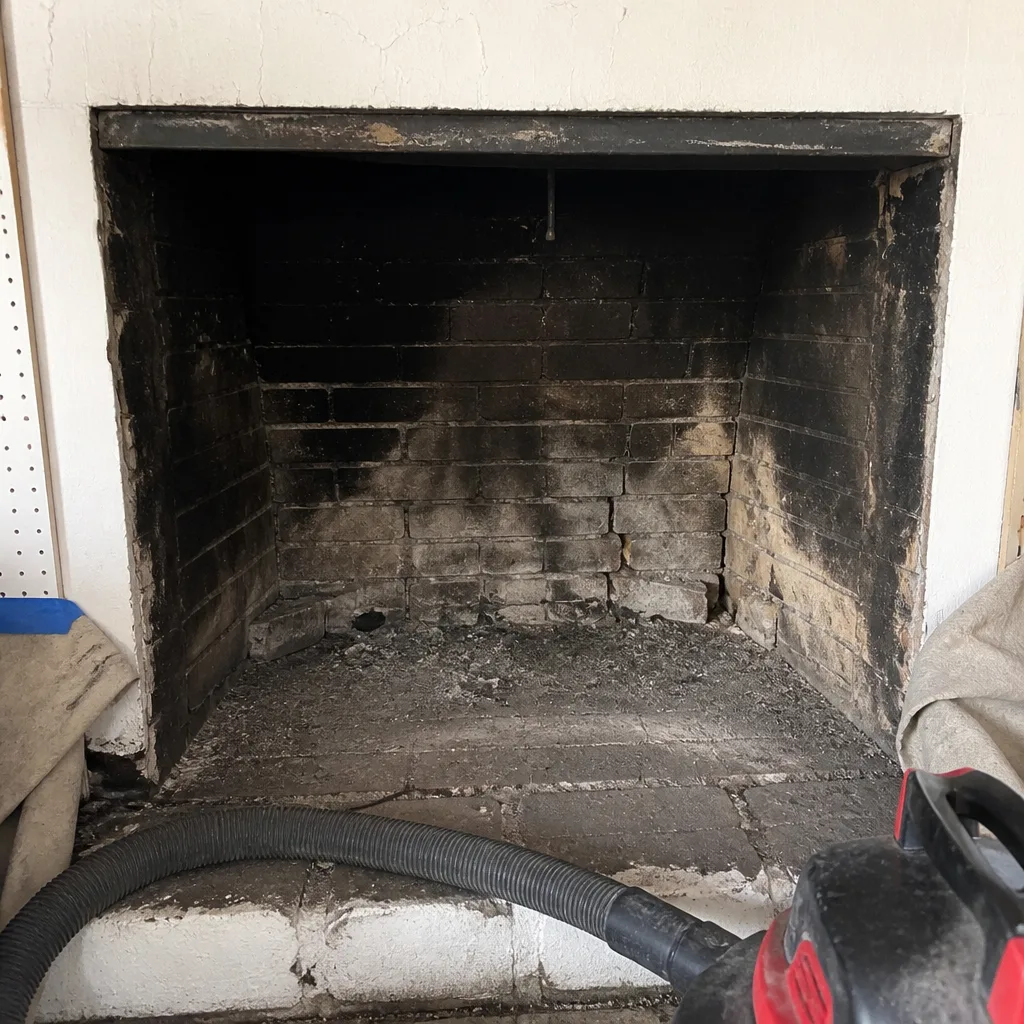 Before
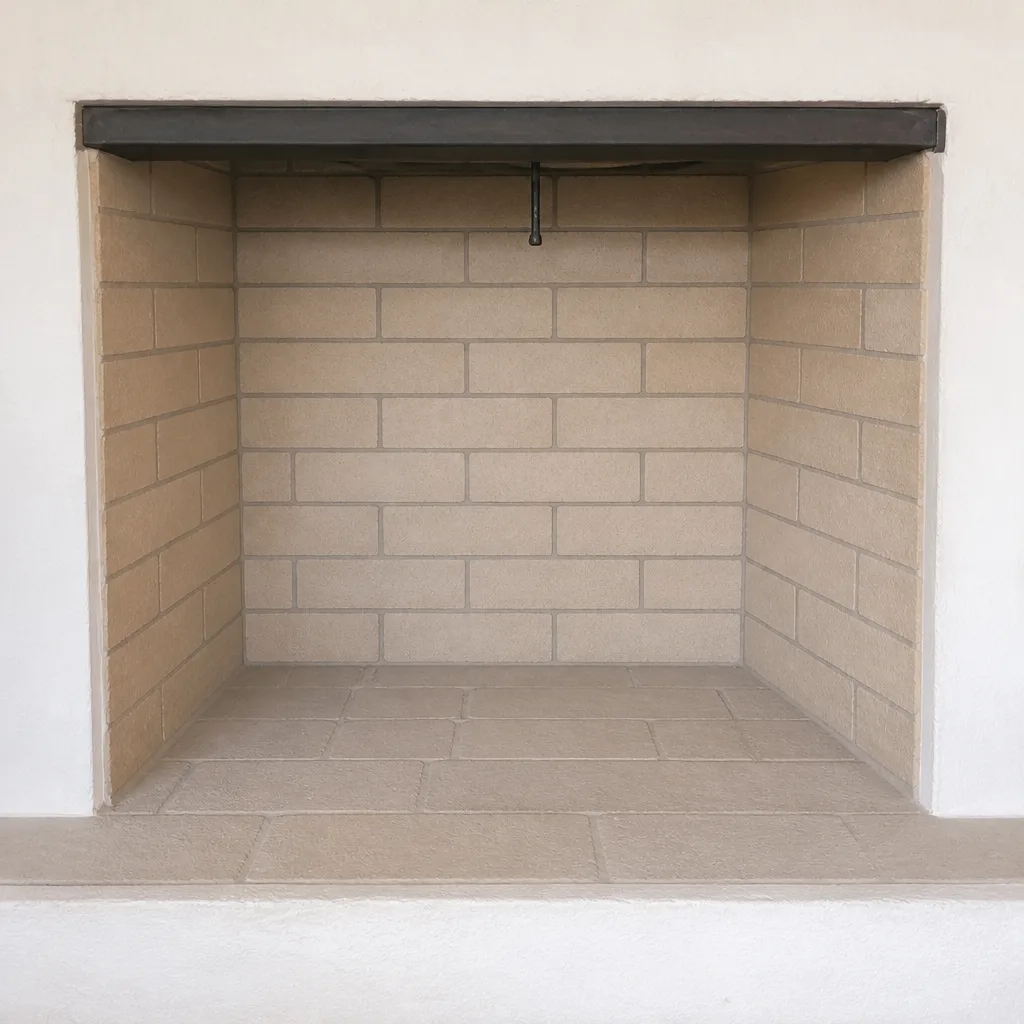 After
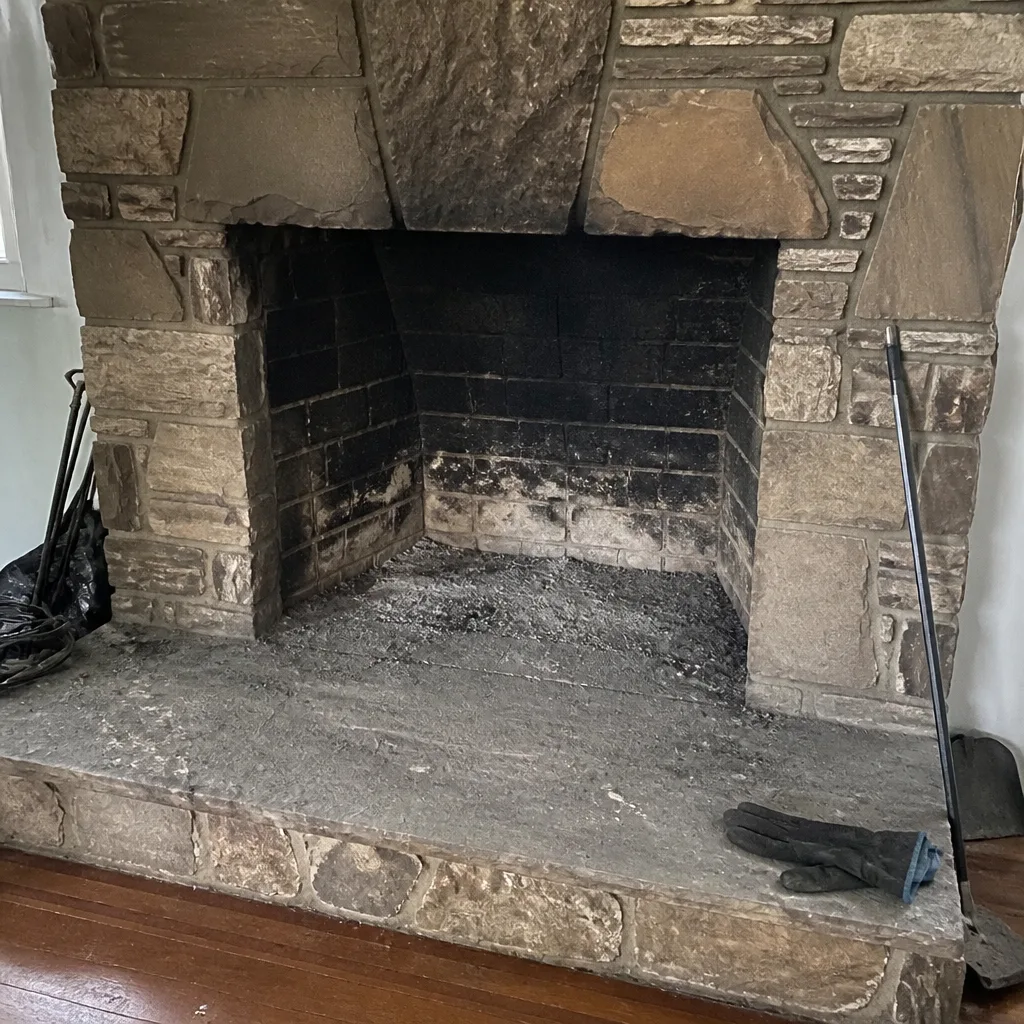 Before
 After
 Before
 After
When to Call a Professional
Call a professional if any of these are true: you haven’t had the chimney inspected in the past year; your fireplace smokes into the room when you light it; you smell creosote when the fireplace isn’t burning; your cap is loose, missing, or has visible rust; you see staining on the exterior of the chimney; you’ve been told by another service that the chimney needs work and want an independent inspection; or you’re buying or selling a home in Mar Vista and need a documented inspection for the transaction. Any of those situations calls for a trained eye and a camera, not a brush.
Chimney Sweep Mar Vista offers free estimates in Mar Vista. Call (855) 337-2073. We answer 24/7. Fast dispatch from 7am to 7pm, Sunday through Friday. Our technicians have up to 12 years of experience, and we work the full chimney system, not just the sweep.
Frequently Asked Questions
You can remove loose soot and ash from the firebox and the straight flue run with a consumer brush kit, but you can’t assess the things that matter most: liner condition, cap seal, smoke chamber, hidden creosote, and draft. Those require a flue camera and training. For most Mar Vista homeowners, a professional sweep plus inspection once a year is the right split.
A typical sweep plus Level 1 inspection in Mar Vista runs about $180-$320, and pricing is set by a written estimate on the job. The written estimate is the final price, no surprises added after the fact. Call (855) 337-2073 for an exact quote. Estimates are free.
Yes, and this is the whole point of the guide. The sweep is roughly 40% of the value; the inspection is the other 60%. Without the camera, you’re paying for a clean flue but not for knowing whether the system is safe. We include the camera inspection and photo report with every sweep so you get both.
Creosote builds up in layers, and the later stages are the ones that don’t come off with a brush and that raise the risk of a chimney fire. Skipping a year or two won’t necessarily cause a problem, but each skipped year adds to the deposit load and delays the camera inspection that would catch a developing issue. It’s the inspection delay that’s the real cost. Call (855) 337-2073 if you’re overdue.
Yes. A recommendation for full relining is expensive and hard for a homeowner to verify, so a second opinion with a camera report is reasonable. Our approach is that nothing is recommended without camera evidence you can see for yourself, and we’ll tell you plainly if the work can safely wait. If a recommendation is accurate, a HeatShield ceramic resurfacing often restores a liner less invasively than a full reline, which is worth knowing.
A standalone inspection with a camera and photo documentation, plus a written report suitable for real estate, insurance, and safety records. It’s scheduled as its own service rather than bundled behind a cleaning appointment, so you get the documentation you need for the transaction. Call (855) 337-2073 to book.
The Bottom Line
The DIY versus professional question isn’t about whether you can push a brush up a flue. You can. It’s about what you’re buying when you hire a professional: the camera inspection, the draft measurement, the smoke chamber look, the cap and crown check, and a written report. That’s the 60% that gives the sweep its safety value, and it’s not something a homeowner can replicate with consumer tools.
Handle the surface maintenance yourself between visits: ash, exterior visual checks, damper testing. Book a professional sweep and inspection annually, particularly in Mar Vista’s mild-winter pattern where problems hide quietly between burning seasons. When the recommendation turns into a repair decision, ask for the camera evidence and get a second opinion if the scope is large. Call (855) 337-2073 for a free estimate and a clear read on your system.
Written by the team at Chimney Sweep Mar Vista.