
Last updated November 22, 2026
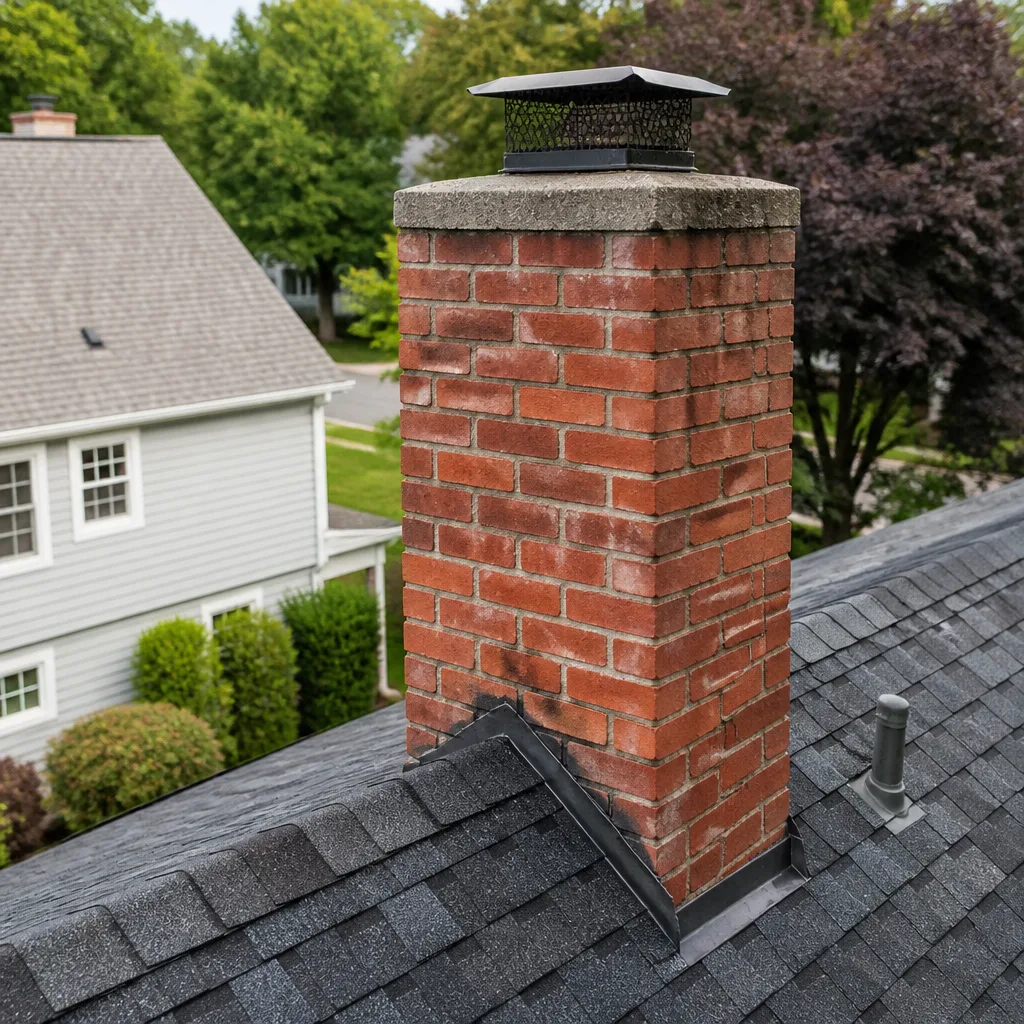 Sweep & inspection
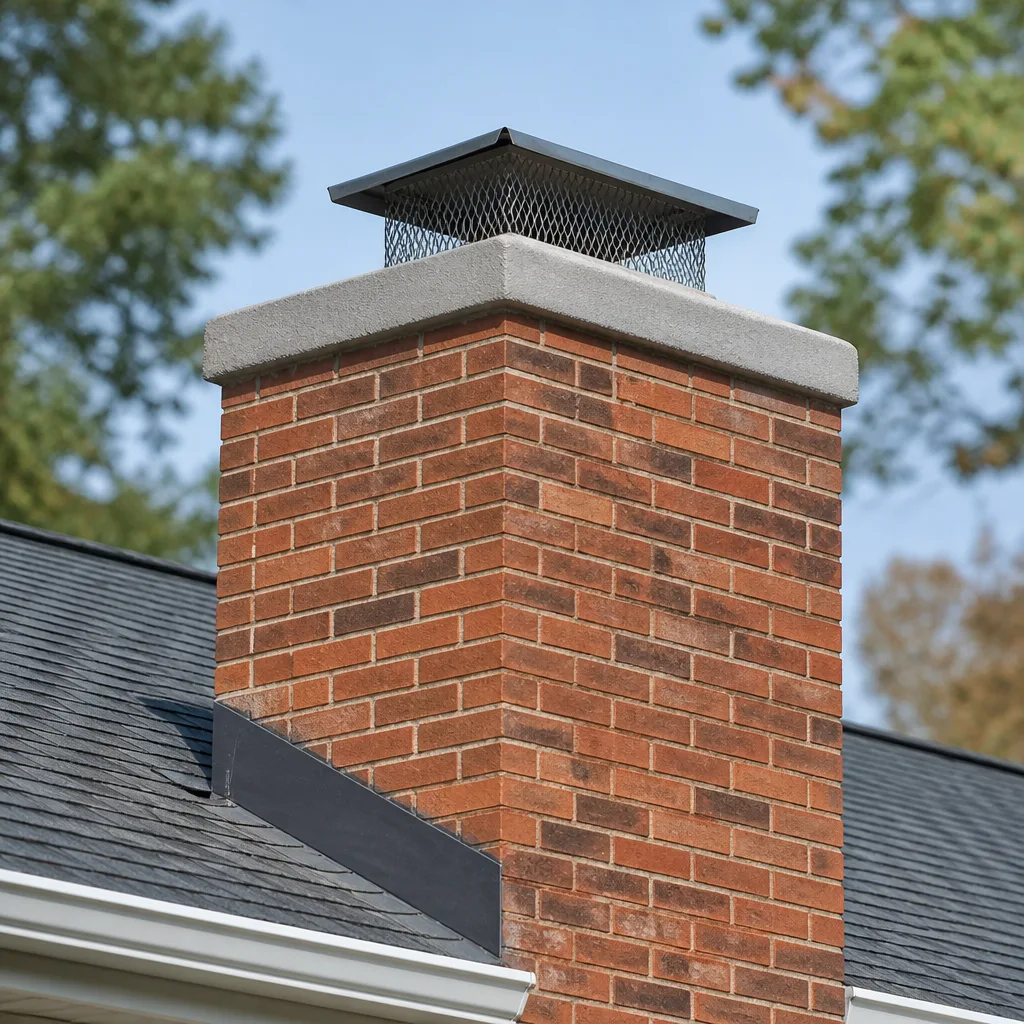 Caps & crowns
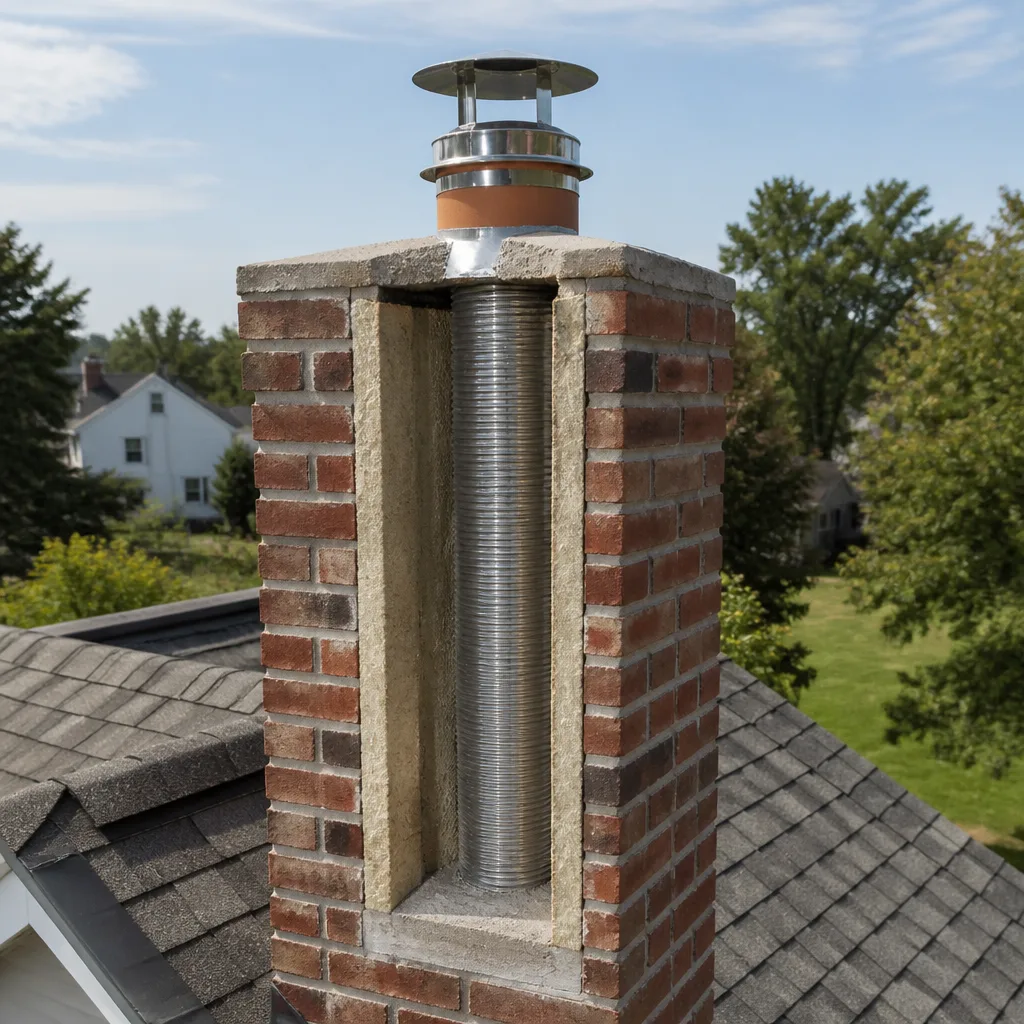 Flue relining
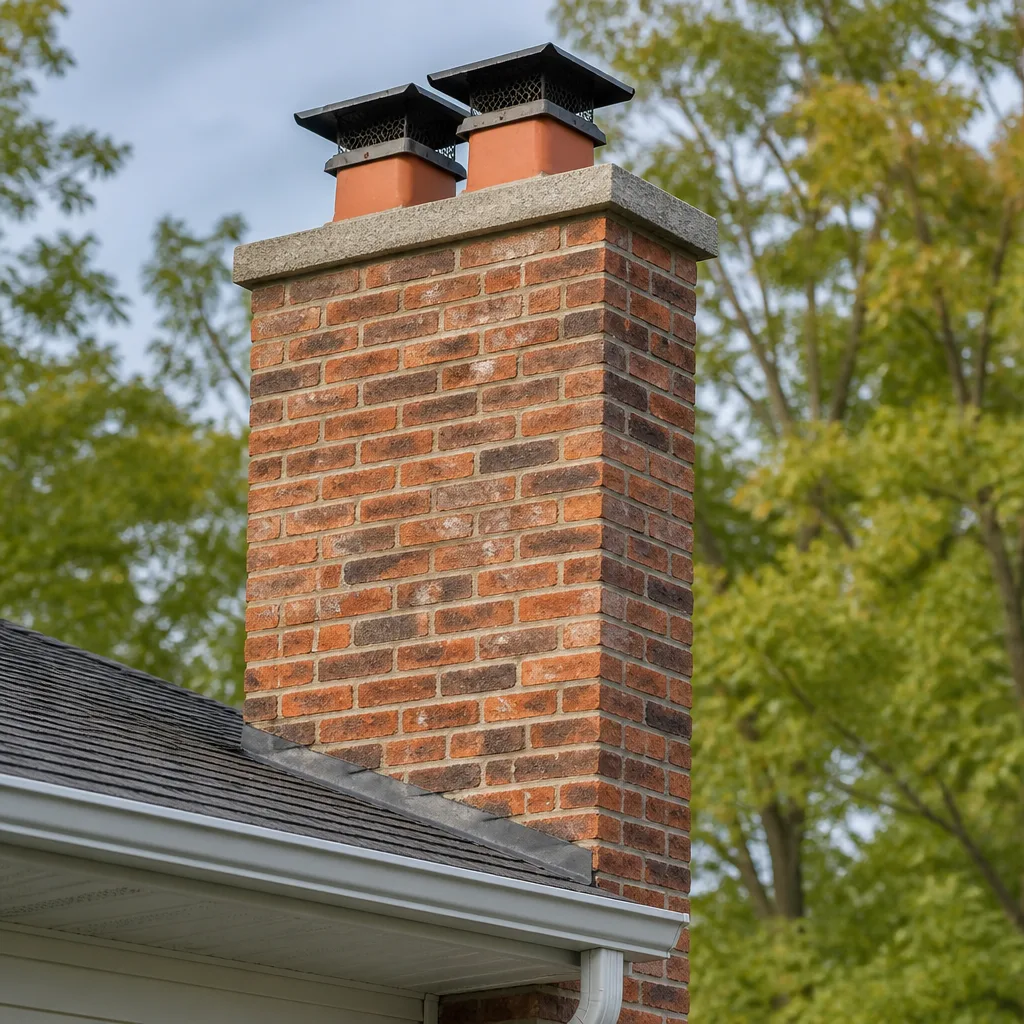 Masonry repair
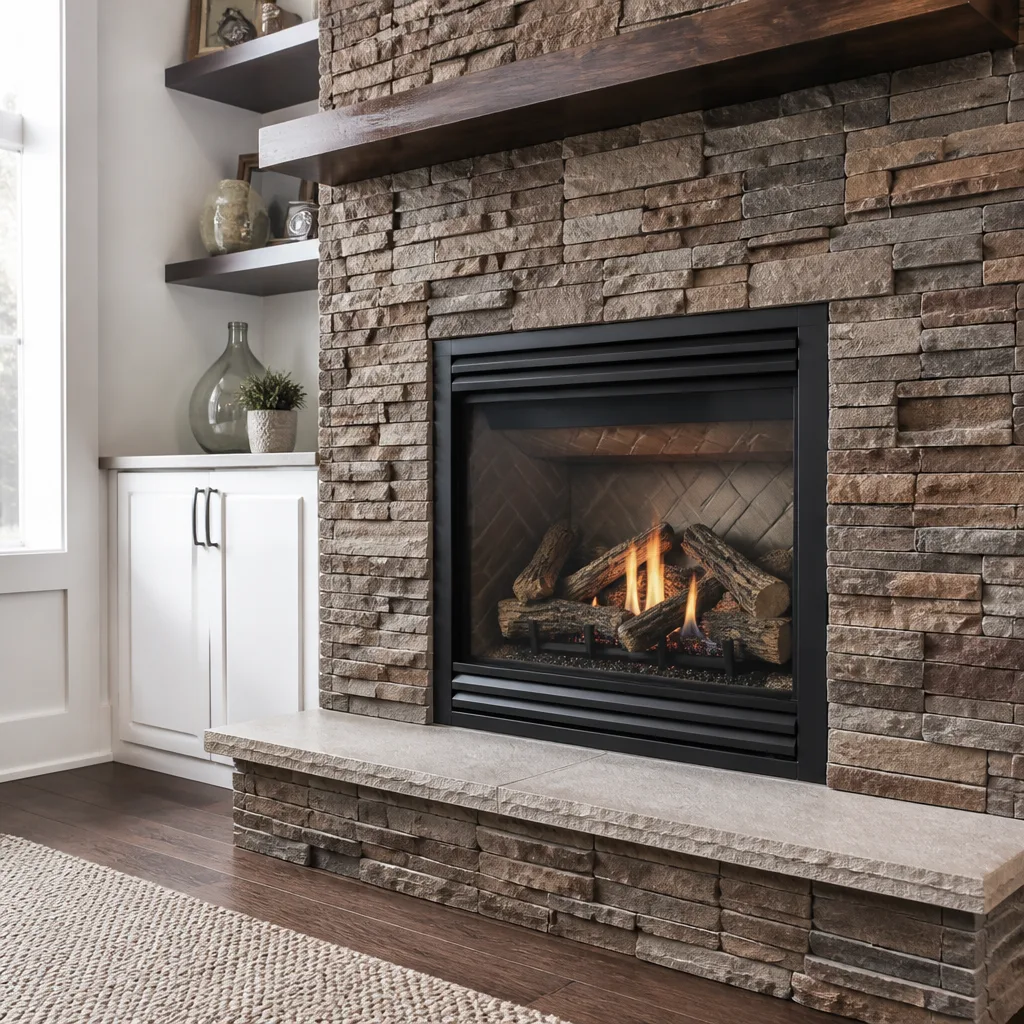 Gas fireplace service
Level 1 sweep and inspection to the NFPA 211 annual standard - flue, crown, cap, and flashing checked and photographed
Chimney sweep logs do not sweep chimneys. They loosen some creosote - which then falls where a brush and vacuum still have to collect it.
The Complete Guide to Chimney Cleaning in Mar Vista
Most chimney fires don’t start in the fireplace that runs every winter night. They start in the one that gets lit a handful of times a year, usually because the flue never got swept. That’s the pattern of a typical Mar Vista home, where the fireplace is a seasonal novelty rather than a daily heat source, and it changes everything about how a chimney should be maintained. In a mild climate, low use doesn’t mean low risk: it means a different kind of risk, sitting quietly for months. This guide walks through how cleaning actually works in Mar Vista, what a professional checks before and after the sweep, what the paperwork means for insurance and resale, and where homeowners get talked into work they don’t need.
Quick Answer
Chimney cleaning in Mar Vista means a full inspection first, a sweep of the flue with proper tools, and a camera confirmation afterward to verify the flue is clear and the liner is intact. Because local fireplaces are used infrequently, the main hazards here aren’t heavy creosote buildup but animal nesting, dried leaf and twig debris, and stage-1 creosote glazing that a routine annual sweep catches early. A cleaning is typically booked once a year, ideally before the first fire of the season, and should always come with a written report.
Styles & brands we work with
- Sweep & inspection
- Caps & crowns
- Flue relining
- Masonry repair
- Gas fireplace service
Table of Contents
- How Mar Vista’s Climate Changes What a Chimney Sweep Actually Finds
- What a Professional Chimney Cleaning Involves, Step by Step
- What a Certified Technician Is Actually Certifying
- How Coastal Air Affects Mar Vista Masonry and Flashing
- What Documentation You Should Get After a Cleaning
- Signs Your Chimney Needs Cleaning (Even if You Barely Use It)
- Do You Really Need a New Liner? How to Tell the Difference
- What Chimney Cleaning Costs in Mar Vista
How Mar Vista’s Climate Changes What a Chimney Sweep Actually Finds
Chimney guides written for cold-weather regions assume a winter of constant burning and the heavy, sticky creosote that comes with it. Mar Vista doesn’t work that way. Most homes here light a fire on a cool evening in December or January, maybe a dozen times across the season, then leave the fireplace alone for ten months. That’s a very different chimney, and it fails in different ways.
Three hazards dominate in a low-use chimney:
- Animal nesting. An uncapped or loosely capped flue is a dry, sheltered, quiet place for birds, squirrels and roof rats. A nest near the smoke shelf restricts draft and is a serious fire hazard the first time it’s lit.
- Dry debris. Leaves, twigs, palm frond fragments and general roof litter blow into open flues and settle on the smoke shelf through the long dry season. This burns hot and fast.
- Stage-1 creosote. In a rarely used fireplace, the thin, flaky, soot-like first stage of creosote builds up slowly rather than turning into the dense glazed crust you see in high-use homes. Stage 1 is easy to sweep off, but left for years it can darken and harden into something that’s much harder to remove.
In our experience working Mar Vista chimneys, the most common surprise is a homeowner who says “we never use it” and a flue packed with a nest and a season of leaves. Low use is a reason to keep up with the annual sweep, not a reason to skip it.
What a Professional Chimney Cleaning Involves, Step by Step
A proper chimney sweep isn’t a brush on a pole through the firebox. It’s a sequence, and skipping any part of it leaves you guessing. Here’s the order a qualified technician should follow:
- Pre-sweep inspection. The technician checks the firebox, damper, smoke chamber, flue and cap, and looks at the roofline and flashing from the ground. This determines whether it’s safe to sweep and what tools are needed.
- Protect the room. Drop cloths and a sealed vacuum catch soot and dust before any brushing begins. If a sweep shows up without this step, ask why.
- Sweep the flue. Depending on the flue construction, technicians use poly or wire brushes sized to the flue, plus a specialized tool for the smoke chamber above the damper, which collects most of the deposit.
- Clean the firebox, damper and smoke shelf. These are the parts most often skipped and the parts most responsible for a smoky fire.
- Camera confirmation. A camera run up the flue verifies that the brush reached the top, that no nest or debris pocket is lodged above a bend, and that the liner surfaces are intact. This is the step that separates a real cleaning from a wipe-down.
- Written report and photos. The findings, with images, should be handed to you in writing.
If any cleaning company can’t tell you how they verify the job afterward, that’s a reason to ask more questions. The full chimney sweep Mar Vista service covers this sequence as a standard, not an add-on.
What a Certified Technician Is Actually Certifying
When a technician certified by a national trade body signs off on a Mar Vista chimney, they’re not just saying “we swept it.” They’re attesting to a set of specific findings. Here’s what that covers:
- The flue is free of obstruction and combustible deposit beyond accepted limits.
- The liner shows no cracks, gaps or missing sections that would allow heat or gases to escape into the structure.
- The firebox, damper and smoke chamber are structurally sound and operable.
- The crown, cap and flashing are protecting the chimney from water intrusion.
- The chimney meets the venting requirements for the appliance it serves.
The value here for a Mar Vista homeowner is documentation. Certified sign-off is the difference between “the sweep said it was fine” and a written record an insurer or a buyer’s inspector can read. If you’re told a chimney “needs work,” a certified inspection gives you the second opinion with evidence to back it.
How Coastal Air Affects Mar Vista Masonry and Flashing
Mar Vista sits close enough to the ocean that its air carries a steady dose of moisture and salt. That’s mostly invisible on the inside of a chimney but shows up on the outside, even in a fireplace that gets lit twice a year. Brick and mortar joints absorb that moisture, and mortar slowly weakens at the surface.
The areas to watch on a Mar Vista chimney:
- The crown. A hairline crack in the concrete crown lets water into the masonry below, and the damage accelerates.
- Flashing. The metal where the chimney meets the roof is the most common leak point. Coastal moisture plus age equals failed sealant and rust.
- Spalling brick. Faces of brick flaking or popping off, especially near the top, indicate the masonry has been taking on water.
- Liner at the top. The uppermost section of the liner and the top of the flue tile are the most exposed to weather and the first to fail.
These are exterior issues a routine cleaning inspection catches, and they’re the reason we look at the roofline every visit, not just the firebox. Catching a cracked crown early is a small masonry repair. Left for a few wet seasons, it’s a much bigger chimney cap & crown job.
What Documentation You Should Get After a Cleaning
The report is as important as the sweep. Here’s what a Mar Vista homeowner should walk away with:
- A written summary of the flue condition, the degree of deposit found and the parts cleaned.
- Photos of the flue interior before and after, and of the cap, crown and flashing.
- A clear recommendation with a specific level of inspection if further evaluation is needed.
- A written estimate for any recommended repair, with a breakdown of each item.
- A record of the date and findings that can be kept for your files and passed to a buyer if you sell.
For insurance and resale, this paperwork does real work. When a claim or a home sale asks about chimney maintenance, you want a documented trail. For a Mar Vista property in escrow, a standalone inspection can be booked outside the cleaning, giving you a formal written report the buyer’s side can read.
Signs Your Chimney Needs Cleaning (Even if You Barely Use It)
Pay attention to these signals, because a low-use flue rarely announces itself:
- A strong, smoky smell in the house even when the fireplace is off, which usually points to a nest or deposit.
- Smoke rolling back into the room when you light a fire, suggesting a restricted flue.
- Scratching, chirping or flapping sounds from the chimney, a clear sign of an active nest.
- Soot or creosote flaking onto the firebox floor.
- Visible soot on the damper or smoke chamber when you look up with a flashlight.
- Any change in draft behavior after a windy week.
If any of those sound familiar, that’s reason enough to have the chimney looked at before the next fire. A cleaning and inspection together take less time than most homeowners expect.
Do You Really Need a New Liner? How to Tell the Difference
This is the question homeowners most often ask, and it’s often after being told by one company that their liner “needs replacing.” A liner that’s genuinely compromised is a hazard: cracks or gaps let creosote, heat and combustion gases into the surrounding masonry. But not every liner that shows wear needs full replacement. The difference comes down to what the camera shows.
Three common outcomes from a proper inspection:
- Cosmetic wear. Minor surface pitting or fine cracking with no gap. No work needed; monitor annually.
- Restorable damage. Moderate cracks and joint gaps that can be resurfaced and sealed. HeatShield, the ceramic resurfacing system, is designed for this, and it saves the cost and disruption of a full reline in cases where the original liner is structurally sound enough to take the treatment.
- Structural failure. Missing sections, significant offsets or crushed liner segments, in which case a new liner is the right call. On a wood-burning flue, a DuraFlex liner system handles this cleanly.
The test is evidence. If you can see the camera footage and the defects in it, and the recommendation lines up with what’s visible, that’s a sound proposal. If a company recommends relining without showing you the flue, asks for a signed contract on the spot, or says “we can’t sweep until you commit,” you’re justified in getting a second opinion. We give ours in writing, with photos, and we say plainly when work can safely wait a year.
What Chimney Cleaning Costs in Mar Vista
Cost in Mar Vista depends on flue use, condition found, accessibility and whether the job includes a formal inspection with a written report. The numbers below are typical ranges for the area, not final quotes. The final price is always set by the written estimate after a look at the chimney.
| Service | Typical estimated range |
|---|---|
| Standard chimney sweep (wood-burning, accessible) | $180 – $340 |
| Chimney sweep + written inspection with photo report | $250 – $480 |
| Standalone chimney inspection (real estate, insurance or second opinion) | $200 – $400 |
| Cap installation with Olympia Chimney or Famco cap | $220 – $420 |
| Crown repair or rebuild | $450 – $1,200 |
| HeatShield liner resurfacing (where appropriate) | $1,800 – $3,500 |
| Full reline with DuraFlex system | $2,800 – $5,500 |
Those ranges reflect the local job mix: low-use flues that often turn up nesting and debris rather than heavy creosote, and older masonry that needs exterior inspection as well as interior. Anything beyond a basic sweep should come with the written findings and a breakdown line by line, so you can see what each part of the job costs and decide what to do now versus later.
Estimates are free. Call (855) 337-2073. We answer 24/7. Fast dispatch from 7am to 7pm, Sunday through Friday.
Common Mistakes to Avoid
- Skipping the sweep because the fireplace is rarely used. Low use is exactly when nests and debris build up unnoticed. Skipping the annual sweep is the most common cause of a chimney fire in a mild climate.
- Hiring a handyman for a sweep. A generalist can push a brush, but they can’t properly evaluate a liner, spot a compromised crown or document findings for a future sale. Chimney work is a specialty for a reason.
- Accepting a reline quote without seeing the camera evidence. If you can’t see the footage, you can’t verify the recommendation. Ask to see it before agreeing to anything expensive.
- Leaving the flue uncapped or using a loose-fitting cover. In Mar Vista, a partially capped flue is an open invitation for birds and rodents. A proper cap with the right screening closes that gap.
- Cleaning during the first cool week of fall. That’s when the whole neighborhood calls at once. Book in early fall or late summer so the chimney is ready before the first fire.
- Ignoring the exterior of a low-use chimney. A fireplace that gets lit twice a year still needs its crown, flashing and top-of-flue inspected after wet seasons.
- Treating a cleaning as a one-off favor to get a repair quote. A real cleaning plus inspection plus report is the point. The report is what you keep.
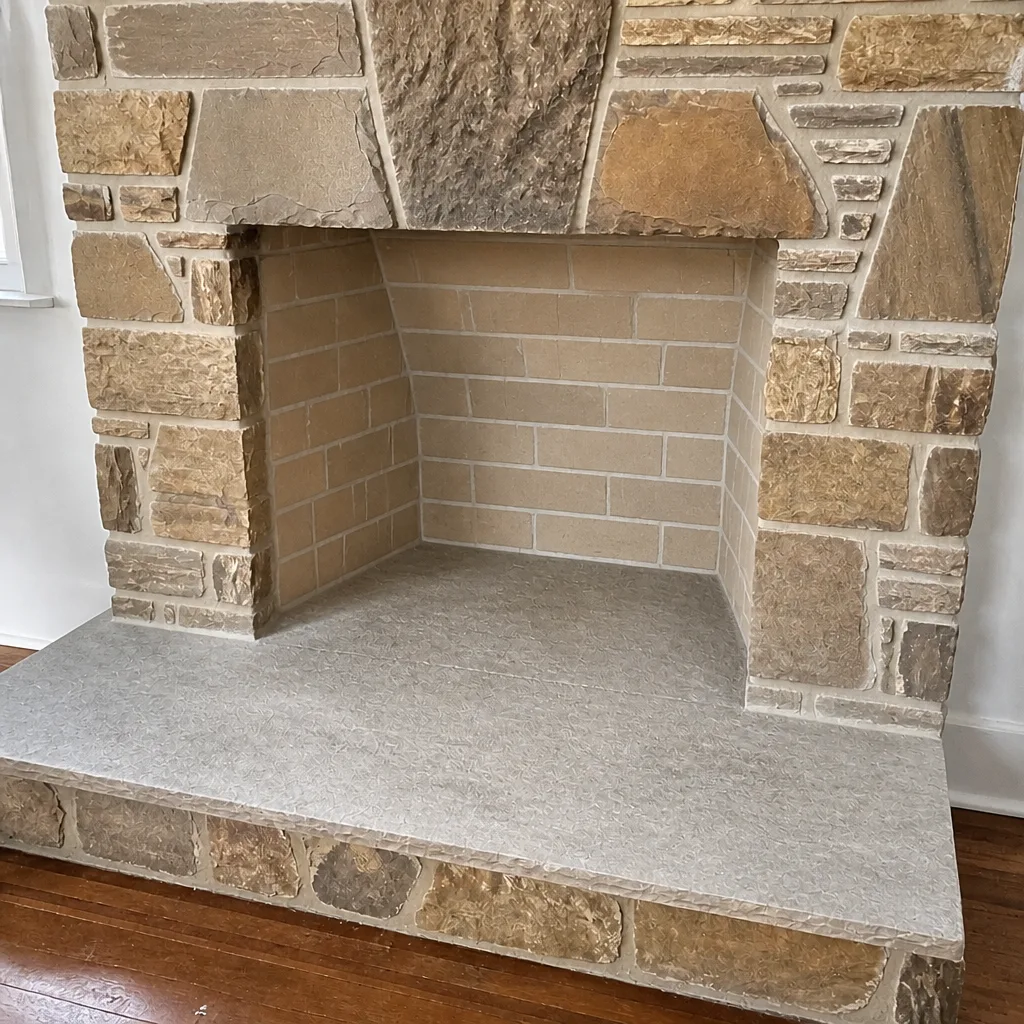
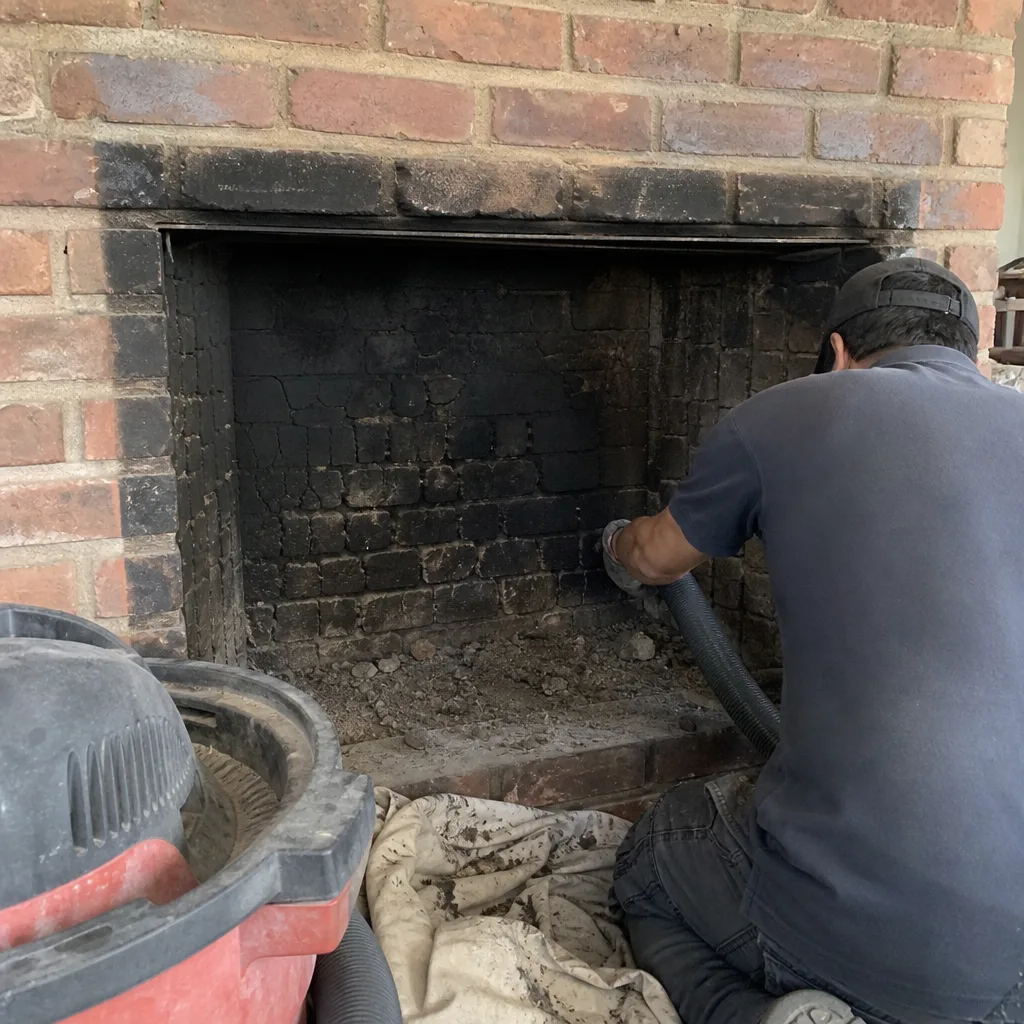
See the difference
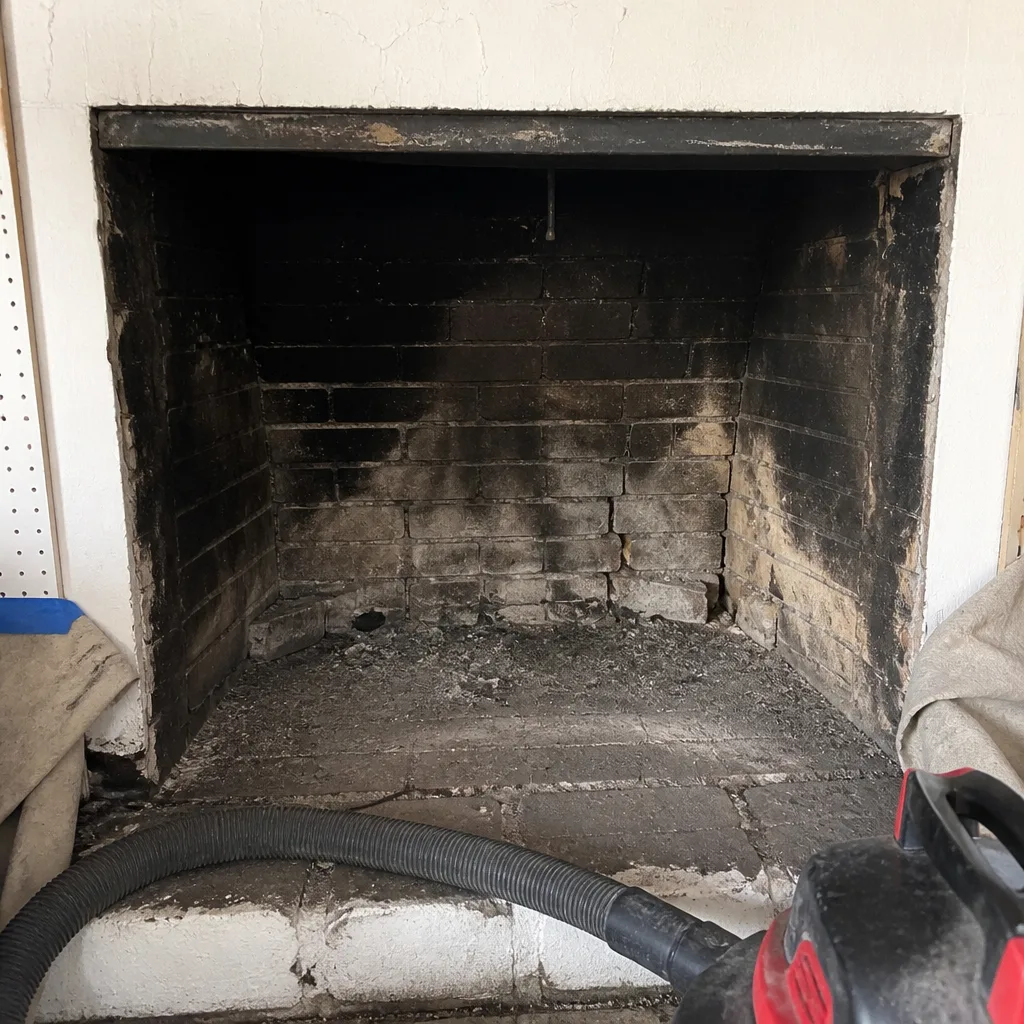 Before
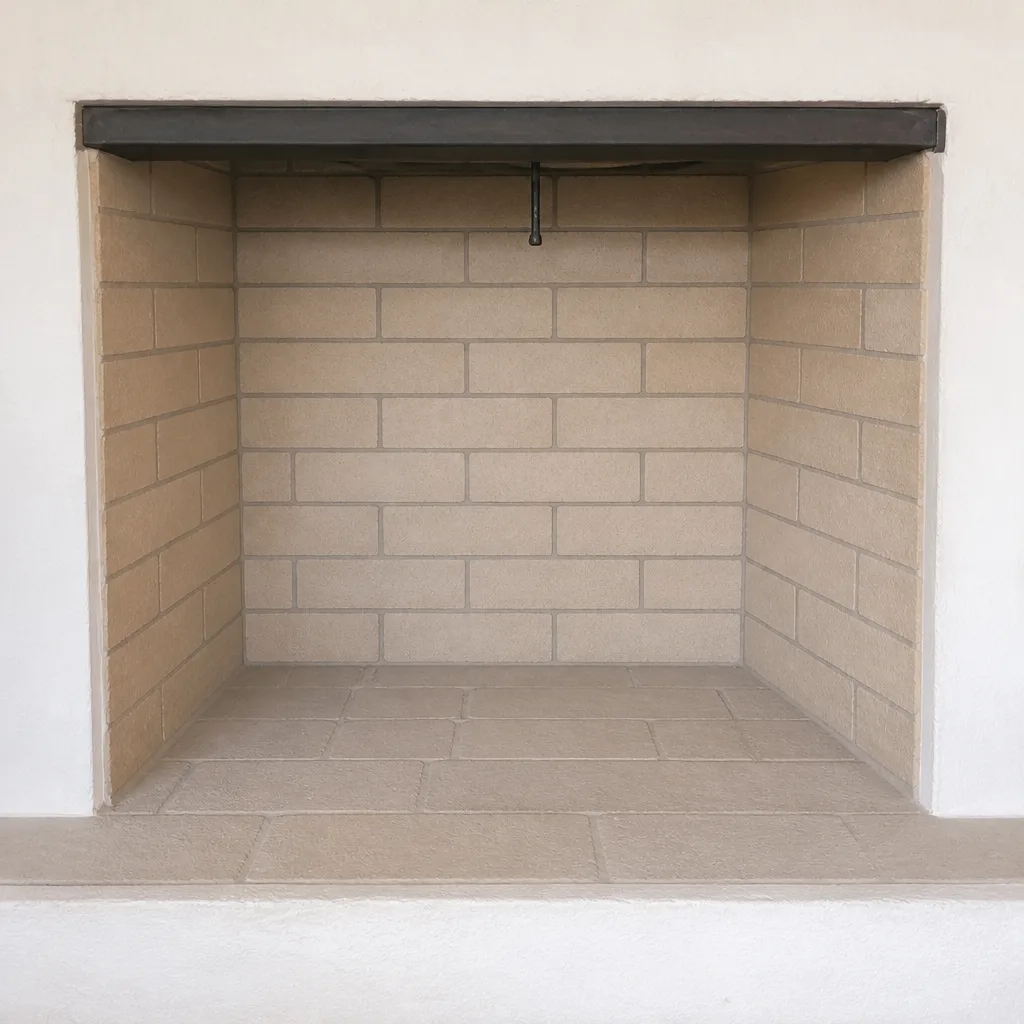 After
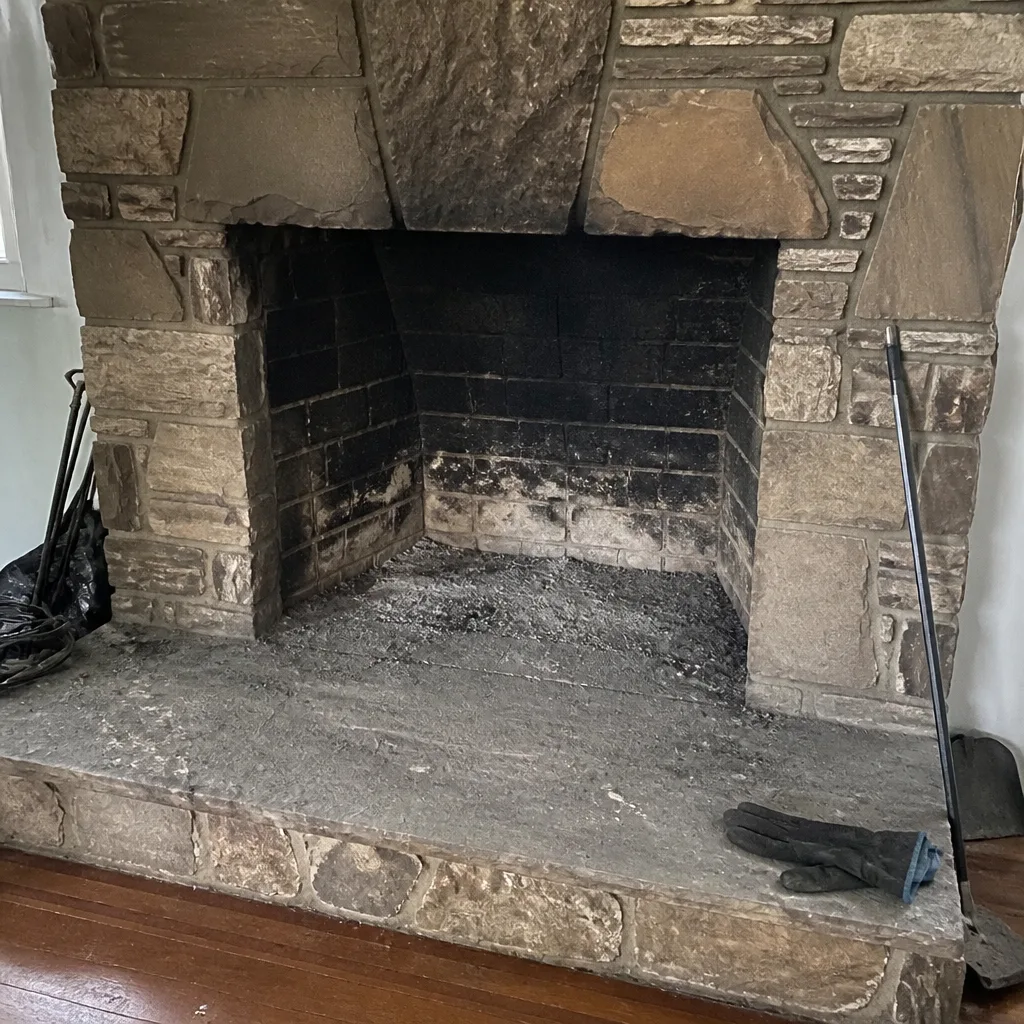 Before
 After
 Before
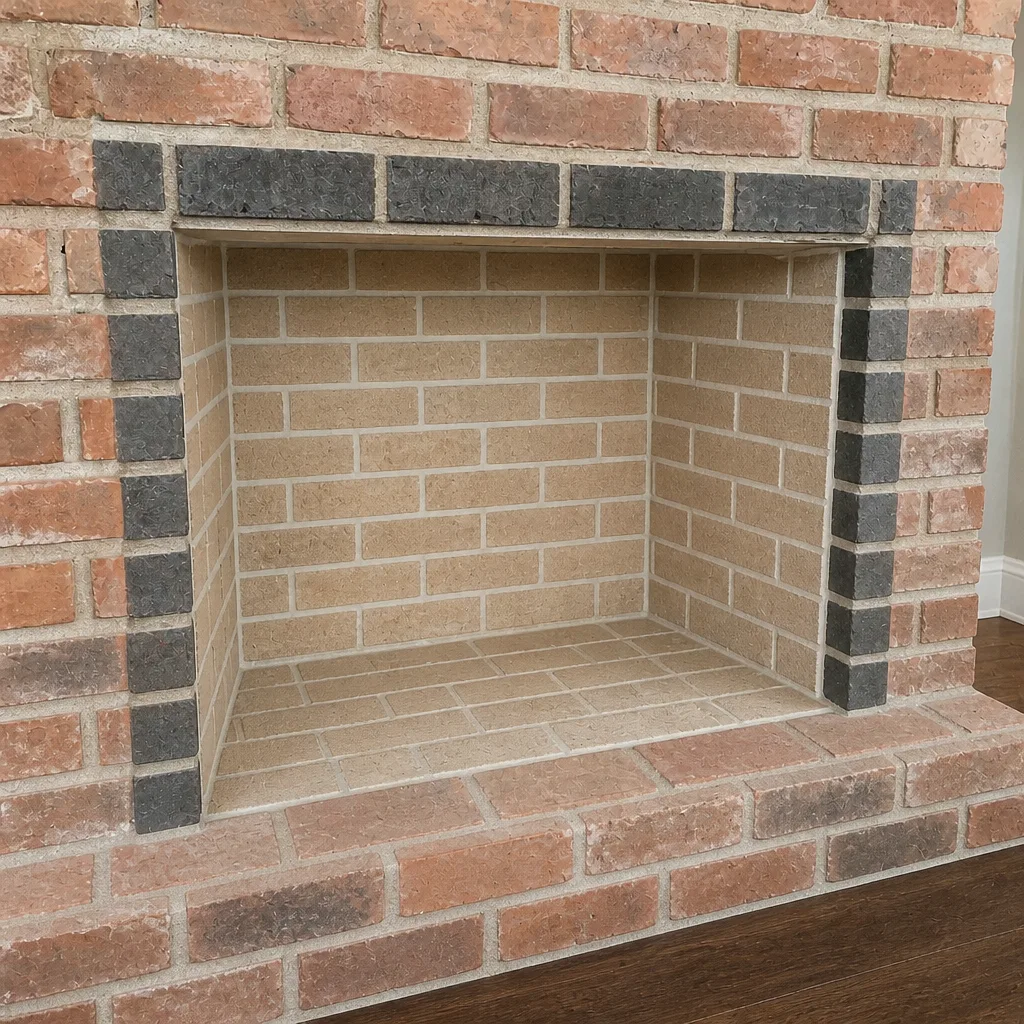 After
When to Call a Professional
Call a professional chimney specialist when you hear or see evidence of a nest, when smoke backs into the room, or when it’s been more than a year since the chimney was last swept, regardless of how often you’ve used it. Call before closing on a Mar Vista home if the inspection report doesn’t document the chimney, and call for a second opinion any time a rep tells you the liner needs replacing and you can’t see the problem on camera. If a fire has occurred in the flue, even a small one, the chimney needs inspection before the next use.
Chimney Sweep Mar Vista offers free estimates in Mar Vista. Call (855) 337-2073. We answer 24/7. Fast dispatch from 7am to 7pm, Sunday through Friday.
Frequently Asked Questions
A standard chimney sweep in Mar Vista typically runs $180 to $340, and a sweep with a full inspection and written photo report usually falls between $250 and $480. The written estimate sets the exact price after the technician has looked at the flue. Call (855) 337-2073 for an exact quote; estimates are free.
Many chimneys that are told they need a full reline can be restored instead with HeatShield ceramic resurfacing, which is less invasive and typically far less expensive. That said, a liner with missing sections, crushed segments or structural failure does need full replacement with a DuraFlex liner system. The right answer depends on what the camera shows. Call (855) 337-2073 to book an inspection; estimates are free.
Once a year, regardless of use, is the standard for a Mar Vista chimney. Because local fireplaces typically get used infrequently, the annual visit is really catching nesting, debris and early-stage creosote rather than heavy buildup. If you haven’t had a sweep in more than a year, book one before the next fire. Call (855) 337-2073; estimates are free.
Skipped cleanings let debris, nests and creosote accumulate in a flue that’s rarely burned, so the first fire of the season meets a blocked or coated flue, which drives smoke into the room or ignites. Blocked flues also trap carbon monoxide in the house. It’s a real safety issue, and it’s harder to fix than an annual sweep. Call (855) 337-2073 to get one on the calendar; estimates are free.
Yes. We perform standalone chimney inspections for real estate transactions, insurance requirements and second opinions, with a written report and photos separate from any cleaning appointment. This is useful for a Mar Vista property in escrow or for any homeowner who’s been told a repair is needed and wants a documented second read. Call (855) 337-2073; estimates are free.
Yes, and often more than a heavily used one. A rarely used flue sits open to the roof for most of the year, collecting leaves, twigs and the occasional nest, and builds stage-1 creosote slowly in a way that goes unnoticed. The first fire of the season is exactly when that backlog becomes dangerous. Call (855) 337-2073 to book a sweep before the season starts; estimates are free.
The Bottom Line
Chimney cleaning in Mar Vista isn’t a chore for homes that burn firewood daily. It’s maintenance for chimneys that mostly sit idle, which is a different and easily overlooked kind of risk. The annual pattern should be inspection, sweep, camera confirmation, and a written report, in that order. Add exterior crown and flashing checks, because coastal moisture ages masonry even under a cold hearth. Ask to see what the camera sees before agreeing to any repair, and expect paperwork that will serve you in an insurance claim or a home sale. If your chimney is due, call (855) 337-2073. We answer 24/7. Fast dispatch from 7am to 7pm, Sunday through Friday. Estimates are free.
Written by the team at Chimney Sweep Mar Vista.